Vusumuzi Dube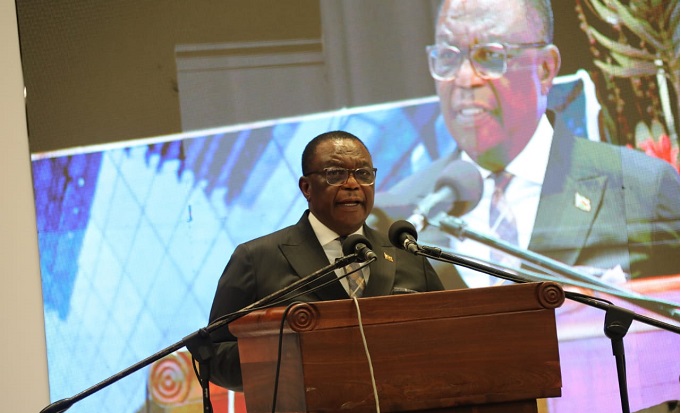
Judith Phiri, Business Reporter
INFRASTRUCTURE development in the country has been underpinned as one of the major contributors to economic growth, with calls to treat projects such as the Beitbridge-Bulawayo-Victoria Falls and Bulawayo-Nkayi roads with urgency.
Cabinet approved the rehabilitation and upgrade of the roads in Matabeleland region which are set to commence soon.
In his keynote address officially opening the Africa Infrastructure and Built Environment Confex (AfriConfex) 2024 Conference at the Zimbabwe International Exhibition Centre (ZIEC) in Bulawayo, Vice President Dr Constantino Chiwenga said the government has intensified the rehabilitation of major highways to enhance trade.
“The Ministry of Transport and Infrastructural Development must work hard to ensure the projects are undertaken soon. They have presented plans to Cabinet which have been approved and they must be implemented. With roads, there will be development,” he said.
He said the Second Republic has continued to champion some economically and socially transformative projects.
Vice President Chiwenga said this year alone, some of the projects that were undertaken in the infrastructure sector include the New Parliament Access roads, Mbudzi Interchange and associated works project and Emergency Road Rehabilitation Programme 2.
“Some of the projects we have also witnessed include Harare-Kanyemba Road upgrading and widening, the Beitbridge-Masvingo-Harare-Chirundu highway, the Shurugwi– Mhandamabwe upgrading and widening, the Zimbabwe State Pavillion and upgrading of domestic terminal and Air Traffic Control System and Secondary Radar Surveillance at the Robert Gabriel Mugabe (RGM) International Airport, to mention just a few.”
He said these projects were evidence of the priority, with which the Second Republic places infrastructure development.
The Vice President said in view of the success recorded in improving the general outlook of roads, President Mnangagwa has extended the Emergency Road Rehabiliation Programme to December 2026.
He said despite facing challenges due to limited resources, the programme has achieved significant success in improving the state of both rural and urban roads.
“The extension will allow the relevant authorities and agencies to continue implementing various road rehabilitation initiatives.”
Vice President Chiwenga said it was incumbent on the private sector and individual communities to complement Government’s efforts as they step into the next stage of the economic recovery and growth trajectory.
He said through collaboration more can be done to accelerate sustainable infrastructure investments in Zimbabwe through win-win partnerships.
“Partnerships between Government, business and civil society are an effective mechanism towards achieving sustainable development.
“By bringing together the resources, competencies and constituencies of different partners, we can, as a nation, tackle our infrastructural challenges in innovative ways, build buy-in and ownership from stakeholders and find context-appropriate and sustainable solutions to influence and benefit society,” he said.
The Vice President said cognizant of AfriConfex 2024 Conference theme: “Resilient Cities, Thriving Africa: Building Sustainable Infrastructure for Economic Growth,” it resonated well with the Vision of President Mnangagwa which envisions the nation to attain an Empowered and Prosperous Upper Middle-Income Status by 2030.
He said the National Development Strategy 1 (NDS1) outlines that the quality of the infrastructure in an economy is a good measurement of the quality of the life of citizens in that country.
“Therefore, strong infrastructural development is essential for poverty reduction and facilitation of provision of adequate housing, infrastructure, education, health, safety, and basic services.”
In Africa, Vice President Chiwenga said there was need to join hands as the continent develop the Africa that they want.
He said it was important for them to note that the African population is projected to double by 2050.
“Therefore, there is an urgent need to invest in infrastructure projects that can support sustainable economic growth for African countries.
The three-day event which kicked off on Wednesday is Zimbabwe’s biggest gathering of buyers and sellers for the entire built environment value chain.


 Online Reporter