Online Reporter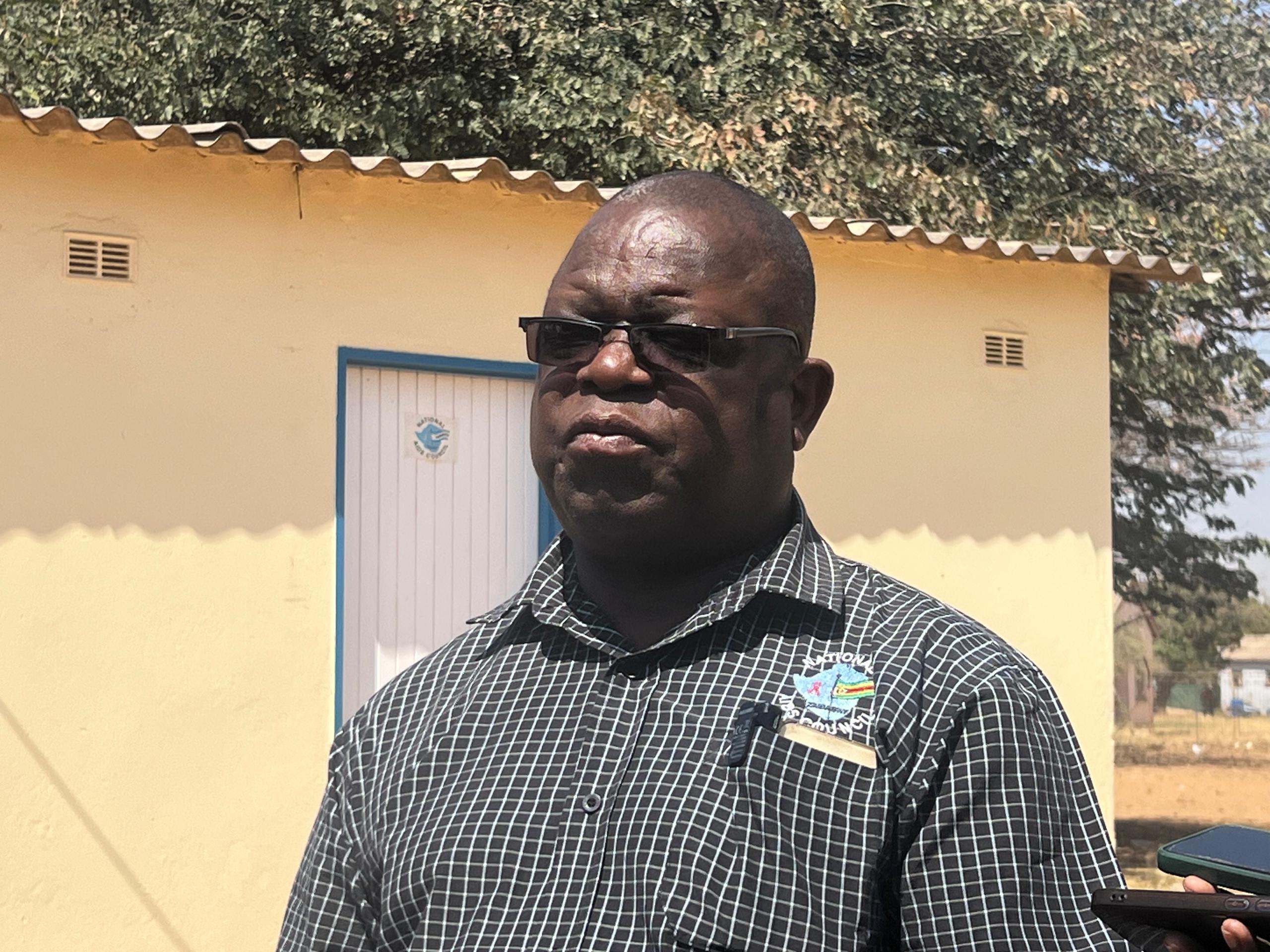
Sukulwenkosi Dube-Matutu
AREAS in Gokwe South packed with injiva and small-scale miners have been flagged as HIV and STI hotspots, with health centres struggling to cope with soaring infections.
Gokwe South District Aids Coordinator, Isaki Chiwara, revealed that when injiva return home, many refuse to get tested, fueling a surge in new cases.
“We have areas like Manoti, Mateta 2 and Mkoka where injiva numbers are high. Health workers report increasing infections because many men won’t test when they visit,” said Chiwara during a National Aids Council (Nac) media tour.
Small-scale mining zones, particularly Wards 24 and 25, are also grappling with alarming STI spikes.
“Some clinics can’t keep up with the numbers,” Chiwara said.
Hotspot areas also include bustling trade points such as vegetable markets, where constant interaction raises infection risks.
Chiwara blamed spousal separation, with partners living apart for long stretches, for increasing vulnerability.
To fight the spread, Nac has rolled out peer education programmes in mining areas, with nine peer educators spreading HIV awareness. Male engagement forums are also being used to address HIV knowledge gaps and tackle gender-based violence.
“We also target diasporans when they come home and work closely with chiefs, who call community meetings for awareness campaigns,” Chiwara added.
Gokwe South has a population of 350 000 and an HIV prevalence rate of 9.2 percent among people aged 15 to 49 — higher than the provincial average of 5.9 percent.