Online Reporter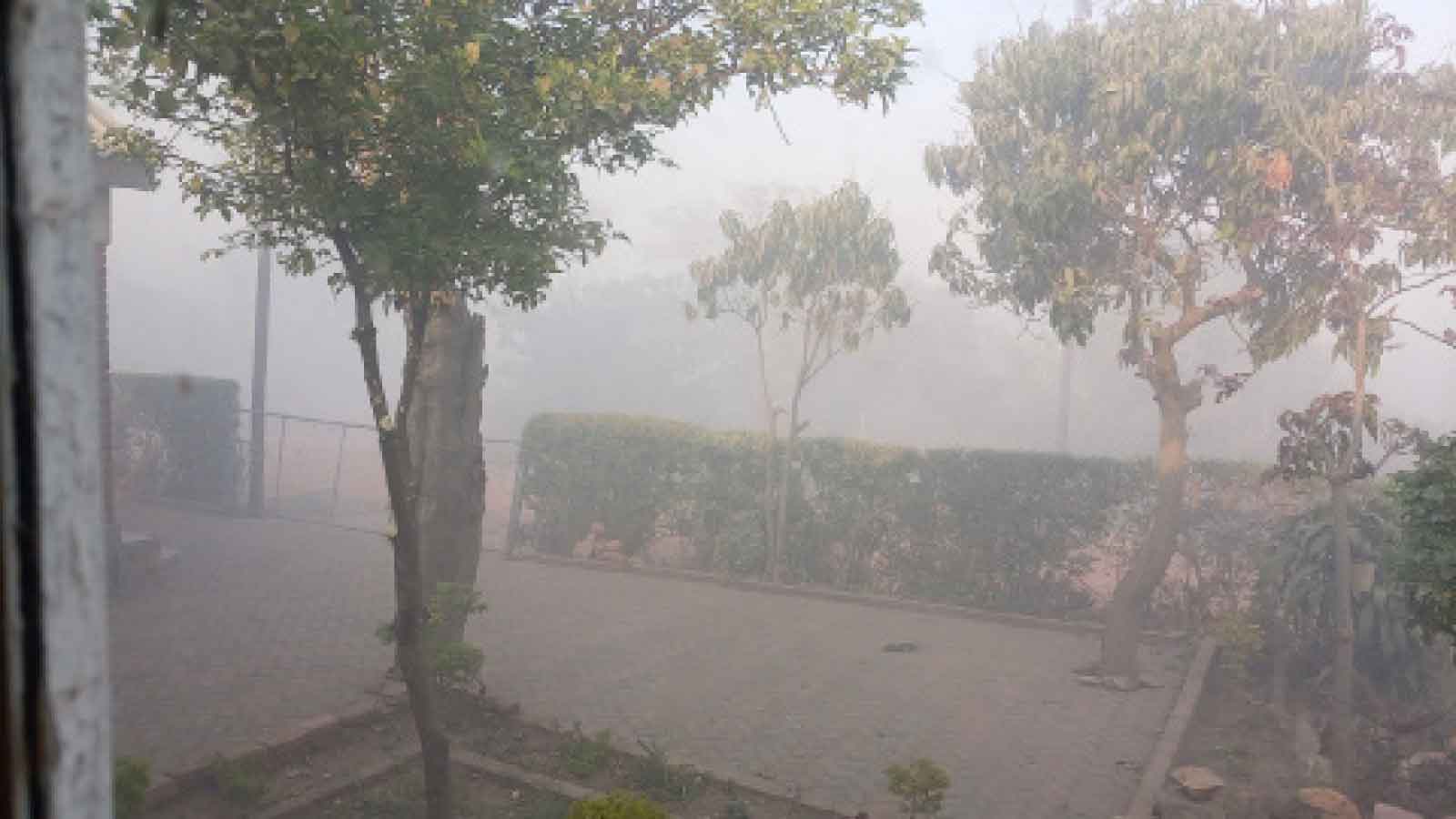
Paul Pindani in CHINHOYI
KAROI residents have raised alarm over the smoke coming from the town’s dumpsite amid fears that mounting piles of uncollected waste could trigger a serious public health and environmental crisis.
The dumpsite is located near key public institutions, including the Karoi District Hospital and Karoi Prison.
Residents say the situation requires urgent intervention by the local authority.
“We are worried about what will happen if this waste continues to pile up.
“When the wind blows, the smell reaches nearby areas and we are afraid that flies, rodents and other pests are being attracted to the place,” said a resident.
Another resident added:
“This is now a public health issue. The hospital and prison are nearby, and there are people living around this area.
“Authorities need to act before we have a serious outbreak of disease.”
Residents also raised concern over the burning of waste and the dumping of plastics, food waste and other refuse together.
Zimbabwe National Organisation of Residents Trust (ZNOART) provincial chairman, Liberty Chitiya, described the open burning of waste at the dumpsite as a ticking time bomb for public health and the environment.
The dumpsite serves Wards 3, 4, 5 and parts of Ward 7.
Chitiya told H-Metro that fires at the site release smoke and chemicals which, he claimed, were triggering respiratory challenges within the community.
“The Karoi dumpsite fire is poisoning the air we breathe. We have relatives right now lying in bed at Karoi Hospital inhaling toxic fumes, while family members at Karoi Prison are also being affected,” he said.
Chitiya said asthmatic residents in Chikangwe were being exposed to smoke during the night.
He also raised concerns about possible contamination of groundwater and nearby streams.
Karoi Mayor, Alderman Kudakwashe Chigumo,told H-Metro that Council was treating the matter seriously and had launched an urgent technical and environmental assessment of the dumpsite.
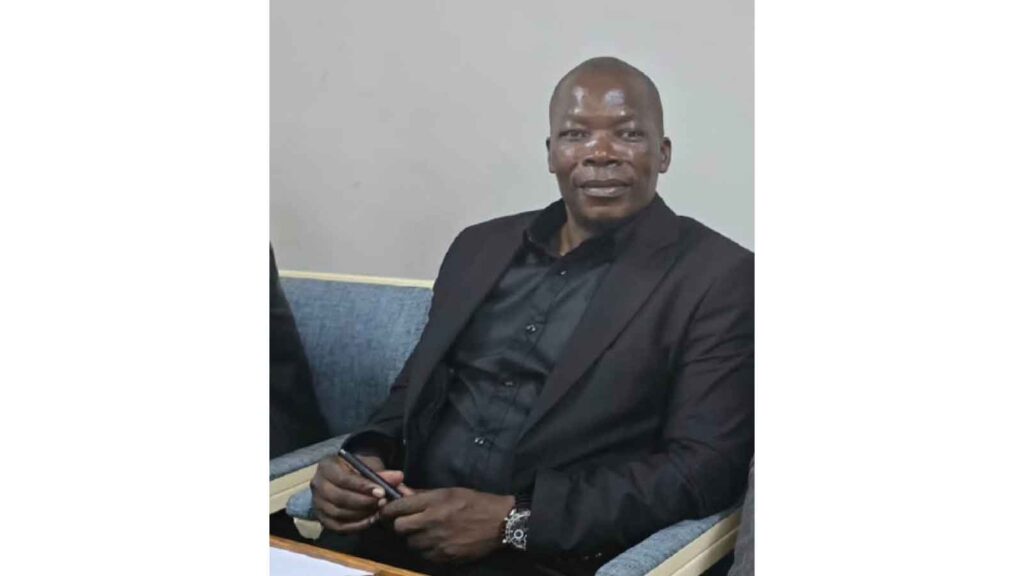
Karoi Mayor, Alderman Kudakwashe Chigumo
“We cannot allow the current dumpsite to become a health time bomb for residents living in its environs, patients and health workers at Karoi District Hospital, inmates and officers at Karoi Prison, or indeed the wider Karoi community,” he said.
He said the assessment would establish whether the existing site could be rehabilitated and upgraded into a modern waste transfer and management centre or whether an alternative facility would be required.
Council is also planning to introduce an emergency response plan covering major fires, hazardous-material incidents and suspected contamination.
The plan will involve the Fire Brigade, environmental and health authorities, police, hospital and prison authorities.
Chigumo said proposed modern operational procedures would include controlled tipping, waste weighing and recording, sorting and transfer zones, regular covering of residual waste, drainage and storm-water management, fire prevention, fencing and controlled access.
“We must progressively move away from open dumping and develop an engineered waste-management facility that meets accepted environmental and public-health standards,” he said.
Council also intends to strengthen partnerships with waste-management operators and pursue equipment including refuse collection trucks, skips, containers, weighing equipment, compactors and sorting facilities.
Chigumo said recyclable materials such as plastics, paper, glass and metals would be recovered.
He added that Council would work with the Environmental Management Agency, Ministry of Health and other stakeholders to monitor air and water quality, fires, vectors and other environmental and public-health risks.
“Residents must stop indiscriminate dumping, burning of waste and disposal of hazardous materials in ordinary refuse.
“Council will intensify public education, enforce relevant by-laws and expand reliable waste collection services,” he said.
Chigumo said the long-term objective was to transform the site into a regulated waste transfer and management centre or develop a properly engineered alternative if the current location was found to pose unacceptable risks.