admin
admin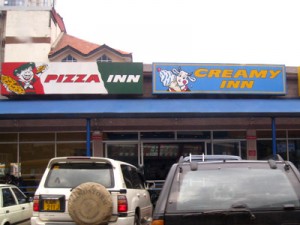
was given an ultimatum by the Government two weeks ago to prepare and submit an acceptable indigenisation plan.
NIEEB chief executive Mr Wilson Gwatiringa said in an interview that the board would leave no stone unturned to ensure “they comply as happening with all other companies.”
“We are engaged with Innscor to ensure that they comply,” said Mr Gwatiringa. “We want them to comply with the laws of the land…no one will be exempted.”
Innscor chief executive Mr John Koumides said in an interview “everything is on course.”
About 36 percent of Innscor is a free float on the ZSE while the remainder is owned by various shareholders, the majority of them not black indigenous Zimbabweans as is required in terms of the indigenisation and economic empowerment legislation.
Innscor is a diversified conglomerate with interests in a number of sectors. The company is comprised of six silos with its focus in retail, milling and manufacturing and distribution and wholesale.
Under the group’s umbrella are a number of fast foods and supermarket outlets spread across Zimbabwe, Zambia and several other countries in Africa.
Innscor also owns a majority stake in National Foods and Colcom, two Zimbabwe Stock Exchange-listed companies engaged in milling and pork production respectively, and owns a stake in Irvine’s Zimbabwe, a large-scale chicken production operation.
Additionally, Innscor owns a number of bakeries, a goods and home appliance manufacturer and the TV Sales and Home store network.
Government is mounting pressure on all foreign owned companies to comply with the country’s laws and only recently announced plans to give leading security firm Fawcett a six-day ultimatum.
Foreign owned companies are required in terms of the Indigenisation and Economic Empowerment Act to sell at least 51 percent of their shareholding to indigenous black investors.
The move is meant to bring previously marginalised black Zimbabweans into the mainstream economic activities.
To this end the Government has already entered into agreements with a number of large foreign owned companies to sell the prescribed minimum thresholds to either local communities and employees or Government approved agencies such as the NIEEF.
To date such big, high profile companies as Zimplats, Mimosa, Unki, Old Mutual, Meikles and PPC Zimbabwe have submitted acceptable empowerment proposals.


 Online Reporter