Zimpapers Sports Hub Correspondent
Clemence Jaricha’s sudden exit from Zifa Southern Region side Ajax Hotspurs Movers has erupted into a war of words, with club founder Sphambaniso Dube hitting back at claims the team misrepresented its ownership.
Dube says Jaricha’s company, CJ Global Express Group Unlimited, is twisting the facts to cover up a failed financial promise.
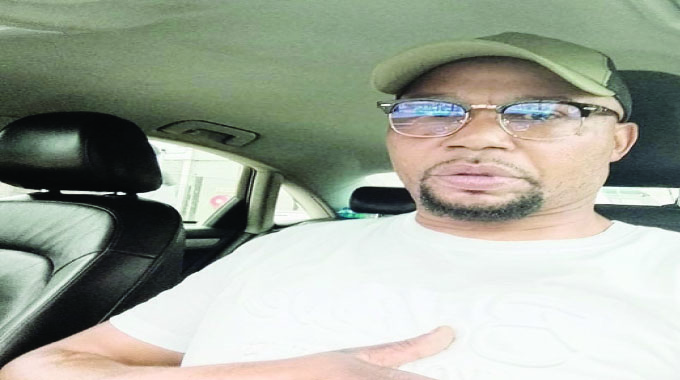
Earlier this week, Jaricha announced he was walking away from the Ajax project, accusing the club of lacking transparency in its ownership and having an internal structure that “didn’t align with expectations.”
“Specifically, I discovered that Dube owned 40 percent while Kenneth Mhlope held 60 percent, contradicting what was initially presented to me,” Jaricha said.
“As a seasoned investor, I prioritise transparency and clarity in business dealings.”
He said CJ Global Express Group Unlimited values integrity and professionalism, and will instead partner with another Division Two side to grow its investment in Zimbabwean football.
In a sharp rebuttal, Dube denied any deception and laid out his version of the failed talks.
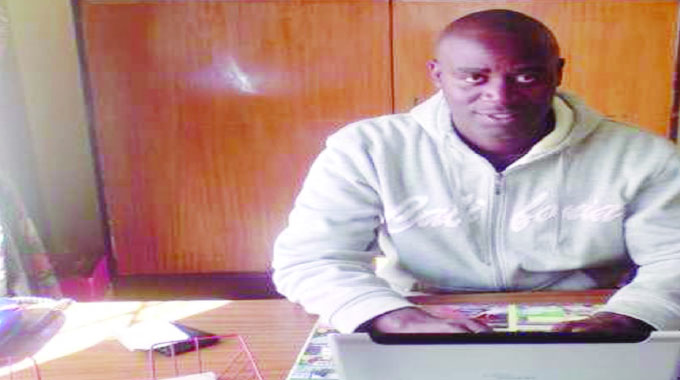
“Contrary to reports being circulated by CJ Global Express Group Unlimited, it is not true that Ajax Hotspurs Football Club misled them,” Dube said.
“CJ Global requested to buy shareholding at Ajax Hotspurs. They were offered a 49 percent shareholding package, which they refused on the pretext that they wanted 51 percent majority shareholding as they would be covering all the costs.”
Dube said the club eventually agreed to the 51 percent stake as a package, not in the split form Jaricha later demanded. Another team, Arenal Movers FC, was added to a shared 49 percent structure, with CJ Global then pushing to split that further.
“Being unselfish and hoping to see progress, Ajax Hotspurs agreed to split their 49 percent bundle into 24,5 percent for each. All was set and an executive was created,” Dube said.
“Later, CJ Global came back and said they wanted that further broken down into identifiable individual directorships. We complied again for the sake of progress.”
Talks then moved to a formal club valuation. Dube says CJ Global rejected it.
“They then asked for an evaluation of the Ajax Hotspurs 51 percent shareholding. A US$165 000 valuation was drafted and handed to them. They declined and were asked to make their own offer. Interestingly, they offered US$900, not even enough to cover two games or affiliation fees.”
Despite the low offer, Dube says Ajax still tried to keep them on board.
“Ajax Hotspurs Football Club still offered them the 51 percent for free, just provide funding for the club to move forward. Still, CJ Global failed to act. Later, they returned claiming Ajax Hotspurs Movers FC had too many directors. It is not true. In our 49 percent shareholding bundle, we knew exactly who owned what.”
The fallout leaves many wondering if Jaricha’s exit was really about principle, or simply the result of a financial gap and shifting expectations. Sources say CJ Global’s US$900 offer “was never going to be taken seriously,” and that transparency concerns only came up after the bid was rejected.
While Jaricha has moved on, teaming up with Division Two’s Mpopoma Sports Academy and promising youth development, talent promotion and infrastructure investment, Ajax is left with a deep sense of betrayal.
“You can’t build trust in football with empty promises and undervalued offers,” a source close to the club said. “We wanted a partner, not a public relations spin.”
As for Ajax, the club has struggled to fulfil fixtures due to lack of sponsorship and could be kicked out of the league. The Ajax saga is a reminder that success in football in Zimbabwe needs more than vision. It needs action and money.