Online Reporter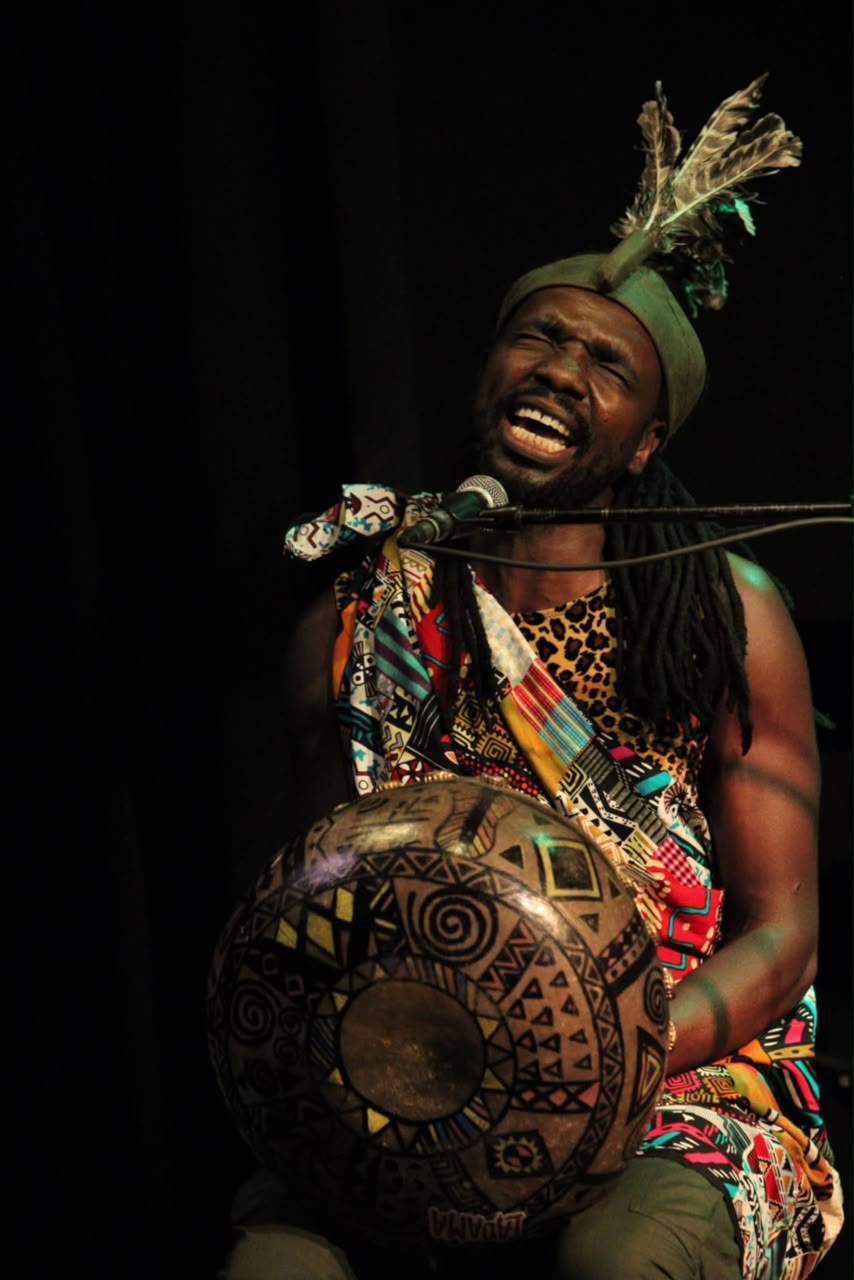
Langalakhe Mabena, [email protected]
FOR generations, the haunting sound of the Matepe, a traditional mbira-style instrument, has echoed across the Zambezi Valley, accompanying ceremonies, storytelling sessions and spiritual gatherings.
The instrument, distinguished by its large resonating shell, is primarily played in Zimbabwe’s north-eastern borderlands, particularly the Zambezi Valley. It is closely associated with the Korekore and Sena Tonga sub-groups of the Shona people. Contemporary artistes who have incorporated the instrument into their music include Hope
Masike, Mary Anibal, Jah Prayzah, Josam Nyamukuvhengu and the Zonke Family, Saini Madera and Saini Murira, and Kuda Samora Nyaruwavhu. Despite its rich cultural significance, much of the knowledge surrounding the
Matepe has largely been preserved through oral tradition.
Now, celebrated musician, researcher and cultural practitioner Othnell Mangoma Moyo has taken a significant step towards safeguarding this heritage with the release of his latest publication, Matepe Book 1: The Thunderstorm in the Deze, Echo of the Ancestors.
The book comes at a time when scholars, musicians and cultural practitioners across Africa are intensifying efforts to preserve indigenous knowledge systems and cultural heritage.
The publication explores the Matepe, Hera/Heera and Madhebhe traditions of Zimbabwe and Mozambique, documenting one of Southern Africa’s most intricate indigenous musical systems. Combining ethnography, oral history and musical analysis, the book draws on Mangoma’s years of apprenticeship under master musicians, participation in mbira ceremonies and extensive fieldwork conducted throughout the Zambezi Valley.
Mangoma, who was raised in Nguboyenja, Bulawayo, said the project was inspired by a desire to preserve knowledge that is increasingly under threat from modernisation and the passing of elder custodians of tradition.
“The preservation of indigenous knowledge cannot depend on memory alone. We need documentation that speaks to future generations while respecting the wisdom of those who carried these traditions before us. This is what inspired me to pen this book,” said Mangoma.
The book examines the Matepe’s construction techniques, tuning systems, rhythmic structures, ceremonial functions and regional histories. It also explores spirit-possession traditions and the wider family of African lamellophones, placing the instrument within a broader continental cultural context.
Far more than a musical instrument, the Matepe occupies a sacred place within communities that have safeguarded the tradition for centuries. Its melodies accompany ceremonies of healing, remembrance and spiritual communion.
“The Matepe is not simply played. It is lived. Its rhythms are woven into everyday life, ceremonies and community values. When people hear its sound, they are hearing history, identity and spirituality speaking together,” said Mangoma.
Through personal reflections and archival observations, Mangoma challenges colonial interpretations that reduced African music to mere entertainment while overlooking its philosophical, cultural and spiritual dimensions. He argues that traditional instruments serve as living archives, carrying collective memory, knowledge and identity across generations.
“Colonial narratives often misunderstood African music because they separated sound from spirituality, community and history. The Matepe book reminds us that music is knowledge, memory and cosmology expressed through vibration,” he said.
The title, The Thunderstorm in the Deze, carries deep symbolism. The Deze, a resonating calabash attached to the instrument, amplifies its sound, while the thunderstorm metaphor reflects the convergence of rhythm, voice, dance, memory and spirit into a powerful communal experience.
Mangoma said the title captures the enduring vitality of traditional music and its ability to remain relevant across generations despite social and cultural change.
“A thunderstorm gathers strength from many forces. In the same way, Matepe music brings together ancestors, community, rhythm, dance and storytelling.
The sound resonates beyond performance as it becomes a force of continuity and belonging,” he said.
The Matepe book is not Mangoma’s first contribution to cultural documentation. The award-winning multi-instrumentalist has earned recognition for researching, teaching and documenting Zimbabwe’s indigenous music traditions while performing in numerous countries and academic institutions around the world.
His previous publication, Zimbabwe Ngoma/iNgungu Rhythms and Songs Book 1, together with initiatives spearheaded through the Ngoma/iNgungu Cultural Centre in Domboshava, Mashonaland East, focused on preserving traditional rhythms, songs and performance practices.
Mangoma said he hopes the publication will inspire renewed interest in one of Africa’s most remarkable musical treasures.
“My hope is that readers will not only learn about the Matepe, but will listen deeply to the voices behind it. Every note carries the wisdom of ancestors and every melody reminds us where we come from,” he said.