malvernmugadzikwa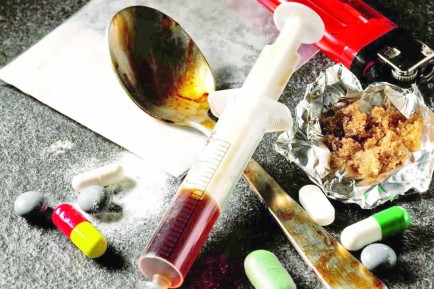
Theseus Shambare
DAILY cogitating of a torched house ceiling, burnt curtains and forking out a fortune to mend the damages haunts Grace Matora, of Harare’s affluent suburb of Chisipite.
Had it not been the helping hand of neighbours, who rushed to douse the threatening fire, the house could have been razed to ashes.
Whenever she recounts of the events of the day in question and the source of the mayhem, Grace starts by saying:
“He went berserk and torched the kitchen curtain with his cigarette lighter, which eventually lit the ceiling.”
Jeremi Nguwaya (23) had transitioned from smoking marijuana for recreational purposes to taking the highly potent and addictive crystal meth, without the knowledge of his mother.
Surprising to her, it came to light that he had been welcomed by a group of new friends, whose influence helped fuel his taste for drugs.
As Zimbabwe joined the global community on Wednesday in commemorating the United Nations (UN) International Day Against Drug Abuse and Illicit Trafficking, the plight of Grace Matora and her son serves as a heart-wrenching reminder of the destructive power of drug addiction.
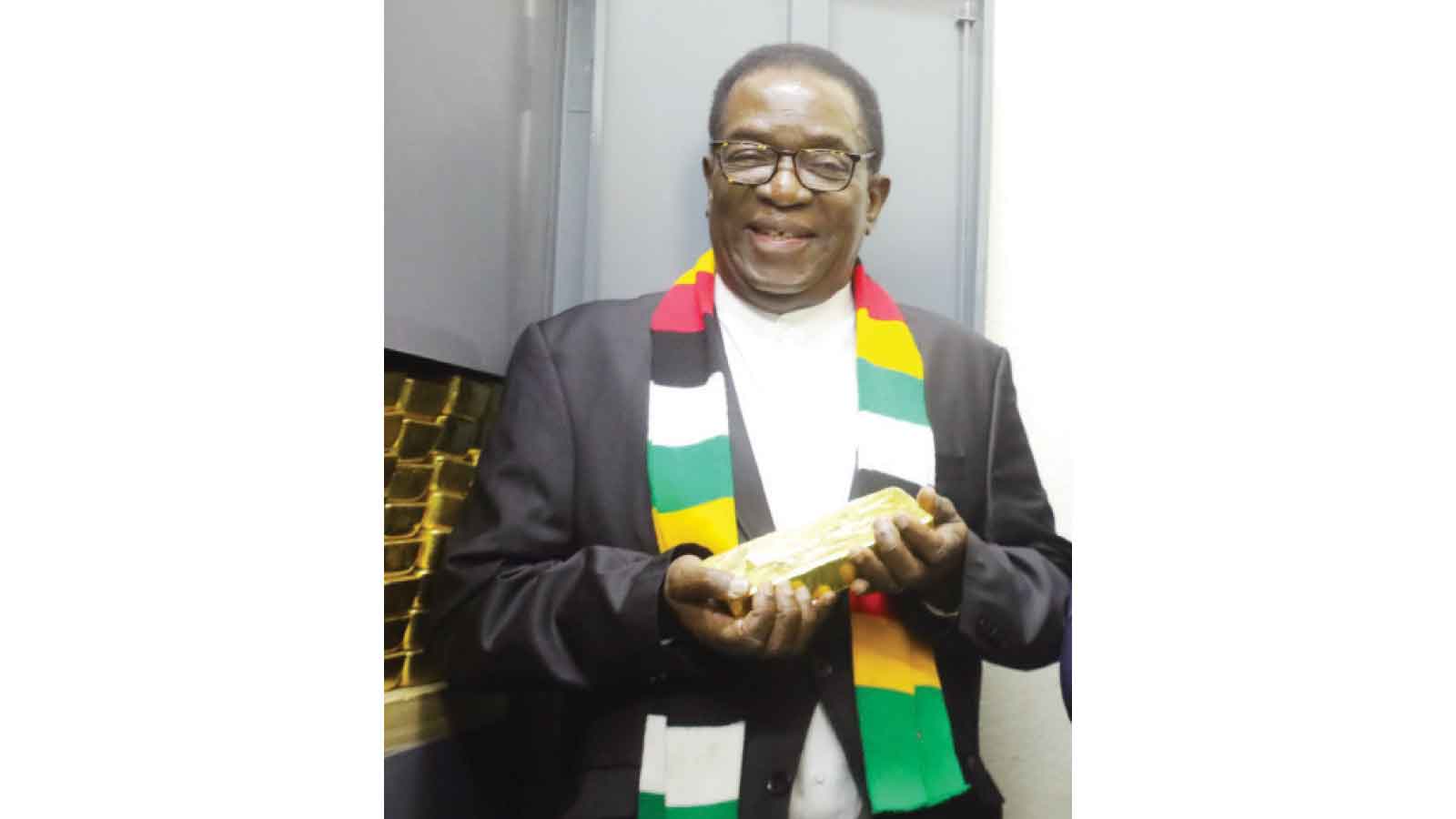
“Nyika inovakwa, igotongwa, igonamatirwa nevene vayo vasina kusticker (the country can be built, governed and prayed for by people who are not intoxicated,” President Mnangagwa’s words resonated deeply as Grace shared her story of pain and desperation.
Grace’s tireless efforts to secure professional help have been hindered by the exorbitant fees of private rehabilitation centres, which charges US$1 500 per month for the cheapest service.
The figures are beyond her financial means.
Getting help from other public institutions yielded nothing since they are just mental institutions with no specialty in drug rehabilitation services.
As the battle against addiction rages on, Grace’s plea remains:
“To whom can I dump my child?”
It is a question that echoes the struggle faced by countless families, a struggle that calls for a collective action.
A survey conducted in 2023 by the Population Solutions for Health (PSH), revealed that 43 percent of young people interviewed across Harare and Bulawayo had engaged in one or more forms of drug use at some point in their lives.
Relatedly, the global trends on Drug and Substance Abuse also indicate that the abuse of drugs and harmful substances results in 3,3 million deaths each year, less than half of the population drinks alcohol and at least 15,3 million persons have drug use disorders.
These national and global trends give testimony of how much of a problem drug and substance abuse is.
Despite the growing numbers and the relatively complex drugs which are emerging, the country had no specialised public drug rehabilitation centres.
Those who find themselves battling strong reliance on substances would find themselves bundled at the four tertiary psychiatric institutions namely Ingutsheni Central Hospital (Bulawayo), Harare Psychiatric Unit (Harare), Parirenyatwa Hospital Annex (Harare) and Ngomahuru Hospital (Masvingo).
However, the launch of the Zimbabwe Multi-Sectoral Drug and Substance Abuse Plan (2024-2030) by the President, brings hope for families like Grace’s.
In the face of this devastating crisis, the Government, healthcare professionals and the community have been called to come together to provide support and solutions for those trapped in the grip of addiction.
In line with the UN’s theme, “The evidence is clear: invest in prevention”, the plan has adopted a multifaceted societal approach enshrined in the vision of “A healthy and secure nation free from illicit drugs and substances”, with the Government committing to pour resources and efforts towards the fight against the scourge.
“Greater coordination around policy and legal enforcement; media and communication, supported by resource mobilisation and economic strengthening must accelerate the realisation of visible results,” said President Mnangagwa.
What does the Zimbabwe Multi-Sectoral Drug and Substance Abuse Plan (2024-2030) say?
The plan focuses on seven critical pillars: supply reduction, demand reduction, harm reduction, treatment and rehabilitation, psychosocial support and community reintegration, policy and legal enforcement, resource mobilisation and economic strengthening.
The President emphasised the need for a collaborative approach, urging various stakeholders, including government ministries, the private sector, development partners and communities, to work together to address the scourge.
The plan aims to improve the health and security of Zimbabweans and aligns with the country’s National Development Strategy and regional and international frameworks.
The President also announced the establishment of a National Drug Agency to provide strategic leadership and coordinate implementation of the plan.
“Further, we must strengthen the implementation of frameworks to disrupt and destroy supply chains of raw materials for the production of illicit brews and other drugs.
“Our content producers and social media influencers are challenged to be responsible with regards to the material and massaging they produce,” said President Mnangagwa.
The President challenged social scientists, content producers and social media influencers to contribute to the efforts and urged local authorities to prioritise community recreational centres and youth lifestyle centres.
What experts say?
Over 3 000 patients are said to be housed at both public and private mental health institutions (rehabilitation centres) across the country.
Ingutsheni chief medical officer Dr Nemache Mawere said bloated figures of patients were creating challenges for them.
Ingutsheni is the country’s largest mental health institution.
“We admit patients who are in crisis. These include those who are psychotic, suicidal or homicidal due to drug abuse but we do not have capacity for long-term rehabilitation,” he said.
Relapsing, the Ingutsheni official said, has become a major strain for the institution as resources are fast depleting due to high demand.
“Sadly, some are sent back home, unfortunately, patients are going back to the same toxic communities and, as a result, they are bound to return.
“It becomes a revolving door of sorts. This has caused many problems for us, as we cannot sustain the situation,” revealed Dr Mawere.
Experts believe this approach may have worked for other kinds of drugs but the current fight against Crystal Methamphetamine and other dangerous drugs may need a more specialised approach, where facilities are specifically designed to help those fighting vices.
Founder and chief executive officer of the International Wellness Centre Dr Nkululeko Dhewa said such rehabilitation is a delicate process.
“Although medications have proven effective in treating some substance use disorders, there are currently no medications that counteract the specific effects of methamphetamine or that prolong abstinence from and reduce the misuse of methamphetamine by an individual addicted to the drug.
“The Matrix Model—a 16-week comprehensive behavioural treatment approach that combines behavioural therapy, family education, individual counselling, 12-step support, drug testing, and encouragement for non-drug-related activities—has been shown to be effective in reducing methamphetamine misuse,” said Dr Dhewa.
He said fighting psychosis is not a walk in the park, thus, the high the charges.
However, Dr Dhewa said the recently launched plan is comprehensive and will go a long way in plugging the loopholes that are currently there. The fact that the first citizen of the country is at the forefront, reflects the seriousness of the Government.
“We applaud this stance and really look forward to its implementation.
“The cardinal points of the plan are its involvement of several, very essential ministries in this war.
“The inclusion of the Defence ministry will help in the control and busting of movement of drugs into the country.
“However, what I would like to draw to the attention of the Ministry of Health is the epidemiology part. It is critical that it is part and parcel of the interventions for it gives us the accurate view of what we are doing in the fight,” he said.
Medical and Dental Private Practitioners of Zimbabwe Association president Dr Johannes Marisa said psychotic patients are a danger to themselves and society at large.
“They can harm or kill innocent citizens, hence extreme cases of psychosis characterised by visual and auditory hallucinations can warrant hospital admission.
“Ideally, after hospital discharge or rehabilitation, there must be a post admission procedure to be followed involving activities that keep the patient busy, especially employment or sporting activities.
“Unfortunately, such activities are scarce at the moment,” urged Dr Marisa.
Retrievers of Hope Youth Association (RHYA) president Mr Isaac Kugarahutsva said the plan has all it takes to tackle the scourge.
“In order to bring sanity, the law must take its course with agents enforcing it so that the drug lords are brought to book,” he said.
Chairperson of the National Committee on Drugs and Substance Abuse who is the Minister of Defence Oppah Muchinguri-Kashiri recently said Zimbabwe has already answered the call to establish dedicated public drug rehabilitation centres.
“Concerns were raised on the need to have Government standalone treatment and rehabilitation centres; I am happy to inform you that we now have Chipadze Treatment and Rehabilitation Centre in Bindura Mashonaland Central Province.
“I call upon the private sector and civil society organisations to partner with the Government in converting the identified idle provincial COVID-19 Centres into treatment and rehabilitation centres with the ultimate goal of making the service accessible to all victims,” said Minister Muchinguri-Kashiri.
Last year as an emergency measure, the Government launched an anti-drugs blitz last year targeting drug dealers and peddlers.
Since January 2024, about 6 148 people were arrested, 677 were suppliers and 5 471 were end-users. A total of 106 illegal drug and substance trading bases were identified, raided and destroyed in Harare, Shamva, Chinhoyi, Bindura, Bulawayo and Mutare.
Fifty-one liquor outlets were charged for operating without the correct licenses and while 268 operators were also arrested for violating license conditions, 17 outlets had their licenses cancelled for violating operating conditions.
As Grace continues to fight for her son’s future, she clings to the hope that one day he will rediscover the strength within himself to overcome the demons that haunt him.
X:@TheseusShambare


 Online Reporter