Bongani Ndlovu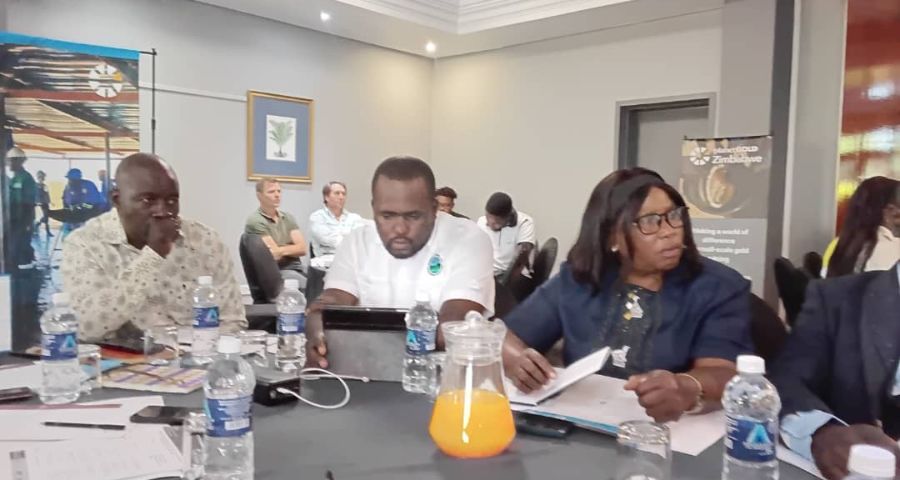
Gibson Mhaka , [email protected]
A metallic chorus of shovels and picks cuts through the stillness of dawn, echoing across the scarred earth of a privately owned mine in Gwanda, Matabeleland South Province.
Clad in tattered, mud-streaked clothing, dozens of illegal gold panners move with urgency, their bodies slick with sweat as they dig, haul and sift.
Faces tense and eyes darting, they work against time, aware their presence is unlawful and fleeting.
The air is thick with dust and desperation, each strike of metal against rock driven by the hope of striking gold before security patrols descend.
Such scenes have become increasingly common as surging gold prices fuel persistent clashes between artisanal and small-scale gold mining groups and large-scale mining companies.
Artisanal miners, widely known as amakorokoza, have overrun regulated concessions, carving out makeshift pits along riverbanks and abandoned mine dumps without permits or environmental safeguards.
Bulawayo City Council recently raised the alarm over the impact, blaming rampant illegal mining for dwindling water levels in supply dams such as Upper Ncema and Lower Ncema.
Despite a Government ban on alluvial mining, illegal operations continue largely unchecked along critical river systems feeding the reservoirs.
Yet the artisanal and small-scale gold mining sector remains a critical pillar of Zimbabwe’s gold production, employment and rural livelihoods.
However, it is largely informal, with limited access to modern technology, financing and secure mining rights.
By contrast, large-scale mining companies possess the technical capacity, infrastructure and systems that could support safer, more productive and environmentally responsible mining practices.
This disparity has underscored the need for stronger stakeholder engagement and innovative models to bridge the gap between artisanal and small-scale miners and large-scale actors.
Against this backdrop, stakeholders in Zimbabwe’s mining sector recently convened in Bulawayo for a multi-stakeholder workshop aimed at formalising artisanal and small-scale gold mining and strengthening collaboration with large-scale operators.
The workshop, organised under the planetGOLD Zimbabwe project, brought together large-scale companies, artisanal and small-scale operators, Government ministries and development partners to co-design a pilot collaboration framework.
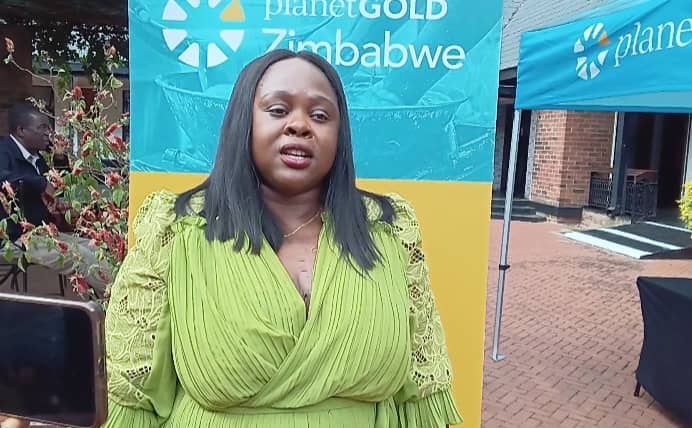
Ms Nyaradzo Mutonhori, planetGOLD Zimbabwe project manager, said the meeting marked a critical step toward building the capacity required to transition the sector into a more formal and sustainable model.
“We discussed piloting artisanal and small-scale gold mining formalisation models with the support of large-scale mines,” Ms Mutonhori said.
“This is under component one of the planetGOLD Zimbabwe project. In Zimbabwe, we all know that according to Fidelity Gold Refineries, artisanal and small-scale gold mining is producing more gold than large-scale mines and contributing as a key economic factor.”
Ms Mutonhori said integrating artisanal miners into the formal economy would require practical lessons drawn from existing operations.
“We talked with big mines like Sabi Gold Mine, Mutapa Resources and Turk Mine to understand how they have been working and coexisting.
“We also heard from the miners themselves, to come up with pilot models where large-scale mines can collaborate with artisanal and small-scale miners to increase the gold output of the country,” she said.
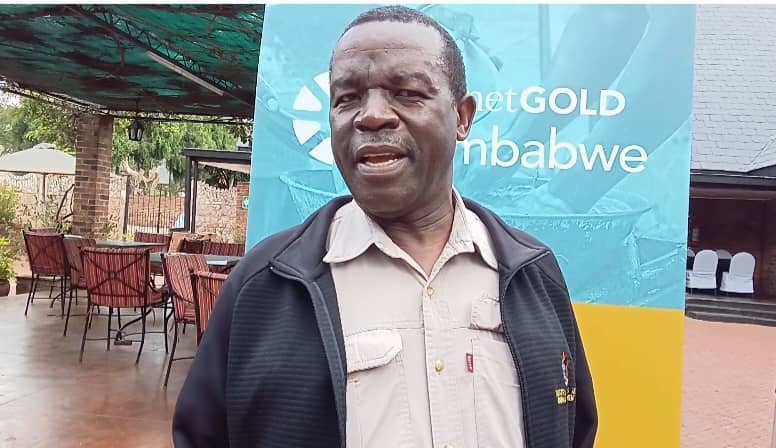
Presenting at the workshop, chief Government mining engineer, Mr Michael Munodawafa, said the Government was pursuing a “win-win” model anchored on practical collaboration between large and small-scale miners.
“This is a position we are actively pursuing: ensuring that collaboration between small-scale and large-scale miners works in a practical sense,” he said.
“We are encouraging small-scale miners to engage with their ‘big brothers’ in the industry, and we are asking large-scale miners to take these miners by the hand.”
Mr Munodawafa said the ultimate goal was to see small-scale miners graduate into medium and large-scale operations, warning that current practices were unsustainable.
“A significant portion of the gold produced in Zimbabwe today comes from small-scale miners.
“However, we must ask: are they doing it safely? Are they environmentally conscious? Currently, many are simply producing without efficiency or regulatory compliance,” he said.
He said fatalities in the sector remained a major concern, noting that of the 230 deaths recorded in the mining industry last year, more than 200 were from the small-scale sector.
“This is unacceptable. We do not want people to die in our mines, and we do not want inefficient mining that results in losses rather than profits,” he said.
Mr Munodawafa said collaboration could unlock access to modern technology and improve gold recovery rates, reducing waste and environmental damage.
“Today, a small-scale miner might be content with getting 10 grammes of gold to feed their family, but in doing so, they may be leaving 90 grammes in the ground because they lack the technology.
“This is a loss for the individual and a loss of a finite resource for the country,” he said.
He added that structured arrangements such as tribute agreements could help curb illegal mining while promoting accountability.
“Large-scale miners often battle illegal miners encroaching on their claims. “Through formal collaboration, we can control who enters and exits these sites, fostering a ‘good neighbour’ policy,” he said.
Environmental concerns also dominated discussions, with regulators warning that unchecked artisanal mining was driving mercury pollution and ecosystem degradation.
An Environmental Management Agency (EMA) (hazardous substances and wastes) official Mr Irvine Nyaguwa told participants that Zimbabwe’s high demand for mercury remained a major risk, despite the country being a signatory to the Minamata Convention.
“Our appetite for mercury is alarmingly high and continues to increase,” the official said, adding that the small-scale sector remained the primary source of mercury emissions due to poor practices and limited access to alternatives.
Mr Nyaguwa said collaboration with large-scale miners could help address these challenges through technology transfer and improved monitoring systems.
“Large-scale miners often go beyond compliance. They have air quality monitoring equipment, laboratories and environmental management systems that small-scale miners currently lack,” the official said.
He said partnerships could allow artisanal miners to access such facilities, reducing pollution and improving environmental accountability.
“In countries like Guyana and Colombia, small-scale miners were granted access to laboratories and GIS systems of large-scale mines. This is the direction we want to take — moving from conflict to collaboration,” he said.
He also emphasised the need to shift from punitive enforcement to supportive regulation.
“We want to move away from policing. Our role is to facilitate compliance and support the sector to adopt best practices. “Together, protecting the environment is everyone’s responsibility,” he said.
From a market perspective, Fidelity Gold Refinery (FGR) said formalisation offered clear economic incentives for small-scale miners.
FGR representative, Mr Francis Maidza, said registered miners benefit from guaranteed markets, better prices and access to financing.
“When a miner is formalised, there is always a reliable buyer ready for the product,” he said. “Through structured off-take agreements, miners can secure financing to acquire equipment and other essential resources.”
Mr Maidza said FGR had introduced a Gold Card to incentivise compliance, with access to equipment and loans now restricted to registered miners.
“This creates a legal business pathway and encourages miners to professionalise their operations,” he said.
However, stakeholders said significant barriers remained.
Artisanal and small-scale gold miners representative, Mr Wellington Takavarasha, who is also the Zimbabwe Miners Federation chief executive officer, said inconsistent regulatory costs and bureaucratic hurdles were discouraging miners from formalising.
“The ease of doing business remains a significant hurdle. We are dealing with multiple institutions, and the charges are often inconsistent and unaffordable,” he said.
He cited wide variations in licensing fees across districts as a key challenge, warning that such discrepancies were pushing miners into informality.
“We need a standardised approach to make compliance affordable,” he said.
Mr Takavarasha also called for a shift in enforcement approaches.
“The presence of police at mining sites has often been a thorn in the flesh. We need institutions to move towards education rather than intimidation,” he said.
Security of tenure and access to training were also highlighted as critical factors.
“You cannot develop a mine or invest in infrastructure with short-term contracts. There is also a need for training in health, safety and environmental management,” he said.
Representing artisanal and small-scale gold mining associations, Mr Makumba Nyenje, who is also the Zimbabwe Miners Federation Midlands chairman, said organisation and collective representation were key to successful collaboration.
“Miners must speak with one voice. When they approach large-scale companies, they should do so as a united front,” he said.
He said formal registration under structures such as the Zimbabwe Miners Federation would strengthen engagement and streamline compliance.
“This allows us to create clear channels for negotiation and implementation of partnerships,” he said.
A researcher with the Zimbabwe School of Mines, Mr Paul Matshona, said bridging the “trust deficit” between small and large-scale miners would be central to reform efforts.
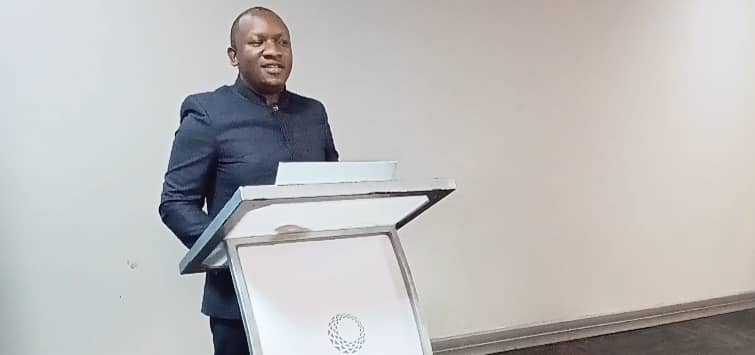
“The successful formalisation of Zimbabwe’s gold sector depends on balancing economic, technical and social incentives,” he said.
He said access to formal markets and financing could help miners transition from survival-based operations to sustainable businesses.
“Through off-take agreements with institutions like Fidelity Gold Refineries, miners gain access to competitive pricing and capital, enabling them to invest in modern equipment,” he said.
Mr Matshona said simplified regulatory frameworks such as the Environmental Management Plan (EMP) were already lowering barriers to entry.
“This ‘hand-holding’ approach encourages miners to step out of illegal operations and into structured environments where they can operate responsibly,” he said.
He added that collaboration could significantly improve gold recovery rates while reducing environmental harm.
“Small-scale miners currently lose a large portion of gold due to inefficient methods.
“By leveraging large-scale expertise and mercury-free technologies, we can improve both productivity and environmental outcomes,” he said.
It is clear that the shift from conflict to collaboration could redefine Zimbabwe’s gold sector.
By integrating small-scale miners into formal value chains and leveraging the strengths of large-scale operators, the country has an opportunity to boost production, improve safety and protect the environment.
Whether these efforts succeed will depend on how quickly policy translates into action on the ground.
For now, the contrast remains stark between the dangerous, unregulated scramble for gold playing out in places across the country and the structured, collaborative model being crafted in boardrooms and workshops.
Bridging that gap is no longer optional, but essential if Zimbabwe is to harness its gold wealth sustainably while safeguarding lives, communities and the environment.



 Online Reporter