Sukulwenkosi Dube-Matutu, [email protected]
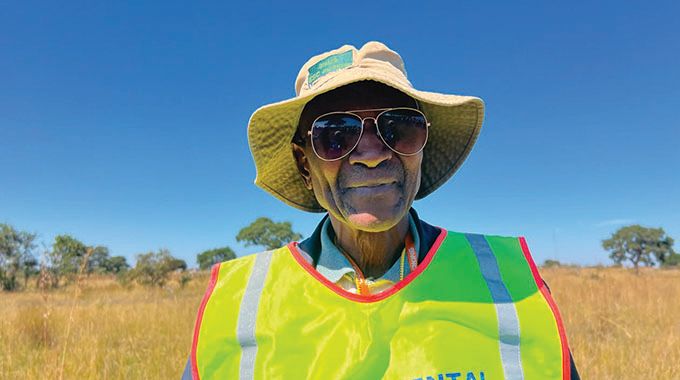
IN Ward 22’s Kombo area in Insiza District, 77-year-old Phillip Moyo has spent the last 26 years helping protect his community from one of rural Zimbabwe’s most destructive threats — veld fires.
Today, his dedication, together with collective community efforts, is paying off. Kombo area has gone for five years without recording a major veld fire outbreak, a feat villagers attribute to environmental awareness, community vigilance and improved fire prevention measures.
Moyo, who serves as an environment monitor, said painful experiences from previous fire disasters have motivated villagers to take environmental protection seriously.
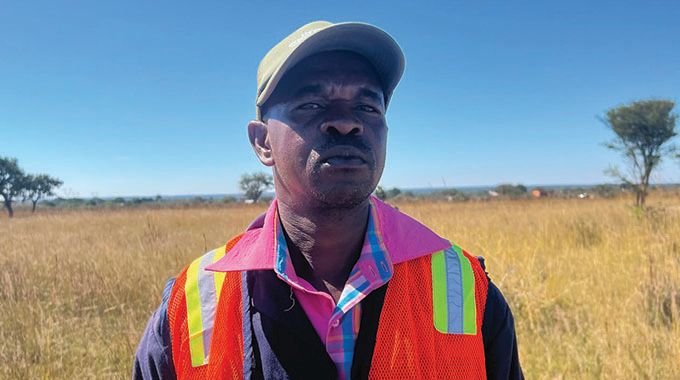
He said training and capacity-building programmes conducted by the Environment Management Agency (EMA) have equipped community members with the skills needed to prevent and fight veld fires.
“Most veld fires are caused by human negligence. Some people start fires while hunting, while others light fires to collect honey from beehives.
“Responsible behaviour is therefore critical in preventing these fires,” said Moyo.
He said communities have also been educated on household waste management and other safe practices that help prevent accidental fires.
Moyo said villagers now appreciate the importance of constructing fire guards, a practice that has become widespread in the area and has significantly reduced the risk of fire outbreaks.
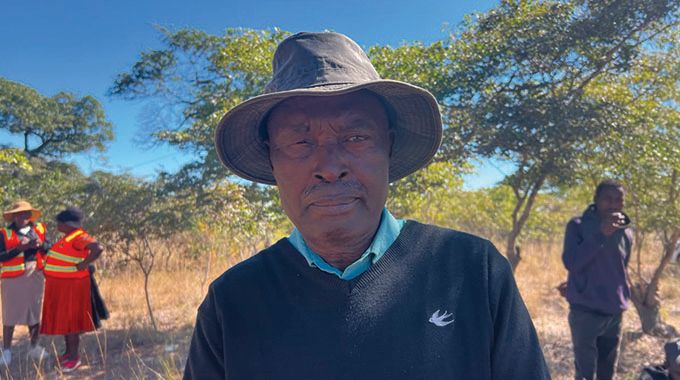
“This initiative has really helped us and for the past four to five years we have not had a veld fire in this area. Veld fires usually break out from resettlement areas.
“We are always on the lookout and whenever we hear of a possible threat, we quickly use the training we have acquired,” he said.
“In the past, human lives have been lost, animals have died and property has been destroyed by veld fires.
“There is an incident which still lingers in our minds where nine children were killed by a veld fire in 2006 while on their way home from school.
“We have made it a point that we won’t allow another veld fire to hit our area.”
Apart from monitoring fires, Moyo also ensures that villagers comply with environmental regulations and continuously educates communities on sustainable environmental practices.
Kombo village head Cephas Mathe said environmental conservation and veld fire prevention remain standing agenda items during community meetings.
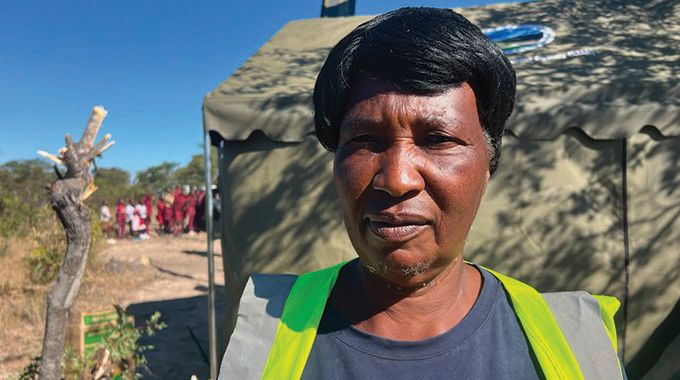
“As traditional leaders, we work closely with the environment committee to sensitise villagers and promote safe practices.
“This has made a huge difference in our area and veld fires are no longer as big a threat as before because people are taking heed of the message,” he said.
“For years, we have not experienced a serious fire outbreak.
“We occasionally have fires originating from resettlement areas, but by the time they reach us they have lost momentum because of the preventive measures we have put in place.”
Mathe said every year around May and June villagers mobilise in large numbers to construct fire guards.
“They have realised that this is important to preserve lives and protect their property,” he said.
Another environmental champion, Likhosi Ncube (72), said the veld remains central to the livelihoods of rural communities.
He said destruction of grasslands and trees compromises soil fertility, affects crop production and reduces grazing land for livestock.
“Without the veld, farmers will struggle to feed their livestock, which are a major source of livelihood in our communities,” said Ncube.
Insiza Zone 3 fire committee chairperson Mrs Kinana Dlodlo (67) said her role involves supervising environmental protection activities across three wards.
“As the chairperson, I work with environment monitors, firefighters and other community structures on preventing veld fires and promoting environmental protection,” she said.
“We have environmental committees from village level right up to district level. Having structures at different levels has helped us make significant progress in educating communities.”
Mkhululi Ncube, a firefighter, said they work hand-in-hand with environment monitors to ensure compliance with environmental regulations.
“Our work involves moving around communities ensuring that people observe environmental regulations.
“We monitor tree cutting, inspect fire guards and discourage activities that can cause veld fires,” he said.
Despite these successes, Matabeleland South remains vulnerable to veld fires.
The province lost 44 549 hectares of land to fires during the 2025 fire season compared to 33 374 hectares in 2024, representing a 28,6 percent increase in burnt area.
The late rains received in April resulted in abundant biomass across much of the country, creating heavier fuel loads.
EMA’s national fire risk assessment indicates that 41,9 percent of the country is at high risk of veld fires while 11,6 percent is at extreme risk, with districts such as Insiza, Umzingwane and Matobo among the areas classified as high risk.