Vusumuzi Dube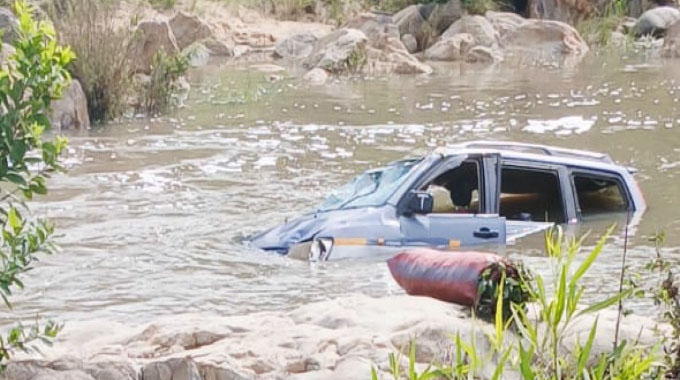
Zimpapers Writers
DEATH has once again stalked Zimbabwe’s swollen rivers, drifting through the dark currents and leaving only grief in its wake, a grim reminder that this tragedy — like so many before it — did not need to happen. Nine lives, among them a new-born whose future had barely begun to breathe, were claimed on Thursday night in Insiza District when a vehicle was torn from a low bridge and surrendered to the raging Tshangamutophe River in Mulula. It was a catastrophe that unfolded with chilling familiarity, a sorrow we as a nation have known too many times, yet one we remain painfully unprepared to prevent.
The loss sits heavy upon a country already mourning. Only days earlier, the Civil Protection Unit (CPU) painted a bleak national portrait: since the rains began in October, at least 74 lives have been lost, while infrastructure worth US$107 402 has been swept, cracked or buried by the season’s violent temper.
Manicaland stands as the hardest-hit, with 32 fatalities; Mashonaland West follows with 19; Midlands with 13. Mashonaland Central and Matabeleland South each count three deaths, Mashonaland East two, while Matabeleland North and Bulawayo have recorded one each. A total of 55 people have been injured, 41 of them in Manicaland. These are no longer numbers; they are faces once animated by laughter, ambitions, and the ordinary joys of a Zimbabwean day — now reduced to cold entries in a national ledger of loss.
Yet even in the shadow of mounting sorrow, nature briefly relented. Near Maphisa in Matobo District, fate offered a different script, one written in adrenaline and narrow escape rather than mourning. On Tuesday morning, an Isuzu single-cab misjudged the temper of the flooded Mwewe River, missing the bridge entirely and being dragged into its furious flow around 10.30am. Bulawayo Chief Fire Officer, Mhlangano Moyo, revealed that the two occupants somehow managed to clamber onto the roof as the river claimed their vehicle, clinging to life as the waters snarled below. What followed was a co-ordinated and heroic rescue — Maphisa and Bulawayo fire brigades working in unison, firefighters using rescue and throw lines to pull the pair back from the edge. It was a rare triumph in a season that has offered precious few.
Still, despite the warnings, despite the heart-rending stories and frequent public appeals, social media continues to overflow with images of motorists and pedestrians tempting fate on flooded bridges, defying the very elements that have already swallowed so many. The CPU, weary from repeating the same pleas, says the trend is deeply troubling.
CPU chief director Nathan Nkomo offered a sober reflection, burdened by the knowledge that the Insiza deaths might have been avoided.
“We are worried about such deaths, especially after all the communication we have put out advising people not to cross flooded rivers and bridges. These alerts are meant to save lives,” he said.
His frustration simmered just beneath the surface, the anguish of preventable loss seeping through.
“It is obvious that Government will always come in to assist families of the deceased, but it is worrying that people continue to put themselves in danger after being warned countless times. The same Government that assists is the one that keeps issuing alerts — yet some choose to do the opposite, and lives are lost,” he said.
As the nation grappled with the scale of the tragedy, the Zimbabwe Republic Police (ZRP) released the harrowing details. National Police Spokesperson Commissioner Paul Nyathi said that the incident occurred on Thursday around 10pm, when a Toyota Noah attempted to cross the flooded Tshangamutophe River in Mulula, Filabusi. In a moment both human and tragic, the driver exited the vehicle to gauge the water level, leaving the keys in the ignition. Another passenger then assumed control, steering the vehicle onto the submerged bridge.
“The vehicle was swept away and submerged, trapping all the occupants,” said Commissioner Nyathi.
What followed was a heartbreaking retrieval the next morning, with the local community joining hands to recover the bodies, which were taken to Filabusi District Hospital mortuary for post-mortem examinations. Among the victims were five women, two men, a young girl and a male toddler; only two have been identified.
As communities whispered their grief, a voice note swirling across social media alleged that the vehicle belonged to a man named Njabulo, said to have refused to cross the flooded bridge. Another passenger, identified as Mthandazo in the recording, reportedly insisted the waters were crossable, took the wheel, and drove into the torrent moments before the river claimed them all. The police have urged the public to be patient, assuring that further details will be released in due course.
In the end, the rivers continue their rise, their warnings unheeded; their toll unrelenting. What remains is a plea carved into the country’s collective consciousness: the water may look calm, the crossing deceptively familiar, the journey important — but no destination is worth a life. Every rainy season, the rivers roar the same message. It is time we listened.


 Online Reporter