


 malvernmugadzikwa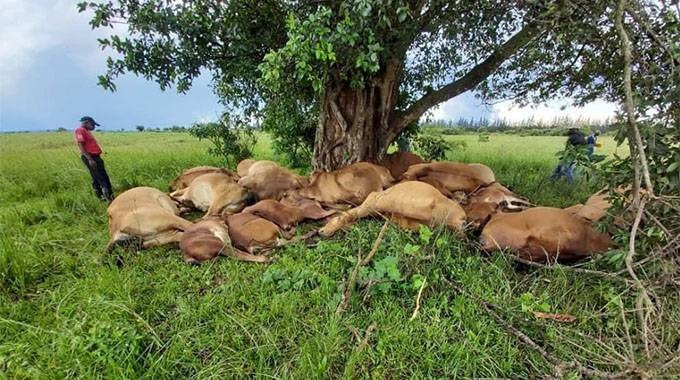
IN December last year, three farmers in Chireya, Gokwe, were left counting their losses after a bolt of lightning struck and killed 18 cattle worth over US$7 000 following a thunderstorm that hit the Midlands province.
Word From The Market
Cliff Chiduku
Two herders tending the animals escaped death by a whisker, after one of them was struck by lightning and thrown several metres away.
Last week, thunderstorms swept many parts of the country, leaving a trail of destruction. Some farmers lost their buildings, equipment, and tobacco seedbeds while others lost their wheat crop.
With climate change altering weather patterns, it is more crucial than ever for farmers to insure their investments against extreme weather patterns.
Insurance in farming is now not an option, but a necessity.
As a farmer, you work tirelessly to cultivate your land, raise livestock and ensure a bountiful harvest, but what if disaster strikes? What if a sudden drought destroys your crops or diseases spread among your livestock? Are you prepared to bear the financial burden on your own?
Farmers should understand the importance of protecting their crops and livestock from the unpredictable effects of climate change. One way to do this is by investing in insurance policies that specifically cover the risks associated with climate change.
There are several types of insurance that can help protect their farm investments from the impacts of climate change, which include the following:
- Livestock insurance: It acts as a lifeline, safeguarding the livelihoods of farmers by covering the unexpected loss of valuable animals due to accidents, diseases or even death. It provides much-needed financial support to help you get back on your feet and overcome the challenges that arise.
- Crop insurance: This type of insurance covers losses for all field, horticultural and plantation crops as a result of uncontrollable pests and diseases, wind and hailstorm damage, flooding, frost, fire and lightning, theft, malicious damage, explosion, windstorm and loss or damage incurred during transportation of harvested crops to the market.
- Farm property insurance: This type of insurance covers damage to your farm’s buildings and implements such as water pumps, tractors, combine harvesters, planters and irrigation equipment. These are covered against fire, lightning, accidental damage, theft and unforeseen breakdown of machinery.
Insurance is key to farmers for several reasons. First and foremost, it provides financial protection against various risks that farmers face on a daily basis.
Farming is a highly unpredictable industry, and farmers are exposed to a wide range of risks such as natural disasters, crop failure, livestock diseases, market fluctuations and equipment breakdowns. These risks can result in significant financial losses for farmers, jeopardising their livelihoods and the sustainability of their operations.
By having insurance coverage, farmers can transfer the financial burden of these risks to an insurance company. In the event of a covered loss or damage, the insurance company will compensate the farmer for their losses, helping them recover and continue their farming activities.
This financial safety net is provided by insurance companies, and allows farmers to mitigate the impact of unforeseen events and maintain stability in their operations.
Secondly, insurance plays a crucial role in securing loans and investments for farmers. Farming is a capital-intensive activity that requires substantial investments in land, equipment, seeds, fertilisers and other inputs. To fund these investments, farmers often rely on loans from financial institutions or seek investments from external sources.
Lenders and investors are more likely to provide financial support to farmers who have insurance cover. Insurance acts as a risk management tool that reassures lenders and investors that the farmer’s assets are protected against potential losses.
This reduces the perceived risk associated with lending or investing in agriculture, and increases chances of obtaining favourable loan terms or attracting investment capital.
Lastly, insurance promotes long-term sustainability and resilience in the agriculture sector. Climate change and extreme weather events pose significant challenges to farmers worldwide. Rising temperatures, changing rainfall patterns, droughts, floods and other climate-related phenomena can have detrimental effects on crop yields and livestock production.
Farmers should not let the uncertainty of the future jeopardise their hard work and passion for farming. They should take proactive steps and invest in insurance that can provide the reassurance and security they need. Insurance protects their livelihoods and their farms, and paves the way for a thriving agricultural future.
In conclusion, insurance is key to farmers as it provides financial protection against various risks, enhances access to loans and investments and promotes long-term sustainability and resilience in the agriculture sector. By transferring risks to insurance companies, farmers can focus on their core activities without the constant fear of potential losses.
Insurance acts as a safety net that supports farmers in times of adversity and contributes to the overall stability and growth of the agriculture industry.
Word From The Market is a column produced by the Agricultural Marketing Authority to promote market-driven production. Feedback: [email protected] or WhatsApp/Call +263781706212.



 Online Reporter