Online Reporter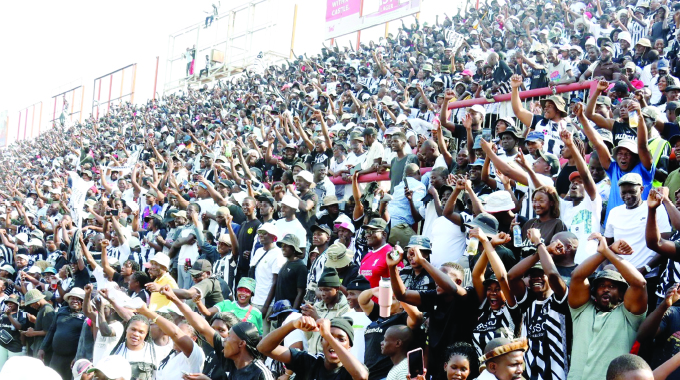
Fungai Muderere, Zimpapers Sports Hub
BY the time this paper is folded under arms and tucked into back pockets this morning, Bulawayo will already be leaning toward Barbourfields Stadium.
Scarves will come out of drawers, jerseys shaken free of the off season, and conversations across the city will drift toward one place. Highlanders against Dynamos shapes the mood long before the first whistle. This afternoon Emagumeni hosts another chapter of a rivalry that never truly rests.
Highlanders and Dynamos meet in the Jairos Jiri Cup with the familiar mix of anticipation and quiet nerves that only this fixture brings. It sits on the pre-season calendar, yet anyone who has stood inside Barbourfields when these two walk out knows there is nothing gentle about it.

The stadium has been quiet for months. Too quiet for a place that feeds on noise. Today the old ground breathes again.
For Highlanders, this is more than a return to action. It is a chance to show their supporters that the talk of renewal carries substance. The presence of Benjani Mwaruwari in the technical set up has stirred something among the faithful, a blend of nostalgia and belief. Alongside him, Mkhokheli “Mshoza” Dube brings familiarity and a clear sense of what the badge demands.
Supporters will look for signs. Not perfection, not yet, but hints of a team moving with intent.
Across the tunnel, Dynamos arrive with their own story of reset. Genesis Mangombe’s return has been framed as a steadying move after seasons that tested the patience of the blue army. For a club built on dominance, the recent past has felt uncomfortable and every match now carries expectation.
Even in a charity cup, Dynamos do not travel to Bulawayo to play a supporting role.
The beauty of this fixture sits in its unpredictability. Form rarely survives the walk down the tunnel. Reputations count for little once the first tackle lands and the crowd finds its voice. New signings who have spent weeks trying to settle suddenly find themselves under a harsher light that can either lift or expose.

Every touch is measured. Every mistake is amplified.
In the stands, the theatre builds long before kick-off. Old friends exchange knowing smiles, rivals trade playful insults, and children who have only heard stories of past battles get their first taste of what keeps this rivalry alive. Songs rise in waves, sometimes defiant, sometimes joyful, always loud enough to remind the players who they represent.
Barbourfields holds memory. Great goals, heartbreak, disputed decisions, moments that live on in conversation years later. Days like this add another layer to a story that refuses to fade.
Beneath the noise sits something deeper. The Jairos Jiri Cup carries a purpose that stretches beyond the touchline, a reminder that football can still gather people for reasons that matter beyond the result. That shared cause softens the edges of rivalry, even if only briefly, before competitive instinct takes over again.
When the whistle blows, the familiar tension settles over the pitch. Challenges are chased with more urgency, runs tracked with pride. No player wants to drift through a Bosso and DeMbare afternoon unnoticed.
Even in February, bragging rights travel far.
For Highlanders, victory would feed the growing sense that a new chapter is taking shape. For Dynamos, it would remind everyone that their name still carries weight wherever they go. For supporters, it is another chance to stand shoulder to shoulder, to sing until voices crack, to feel part of something larger than the ninety minutes in front of them.
By late afternoon the songs will fade and the result will take its place in the long memory of this rivalry. As readers make their way toward Barbourfields today, what matters most is the pull of a fixture that still brings the country to a pause, even if only for a few hours.
When Bosso meet DeMbare, the year never feels quite the same again.