Vusumuzi Dube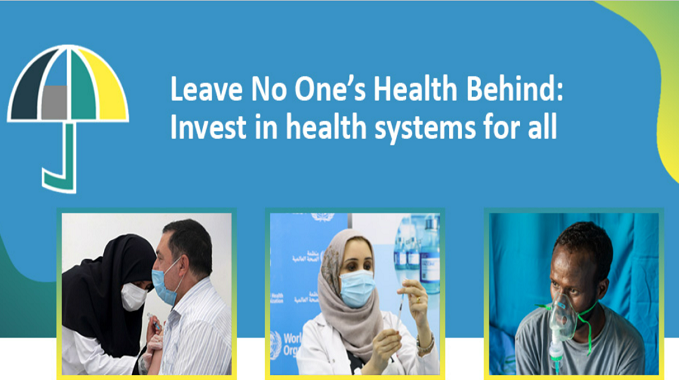
Robin Muchetu, Senior Reporter
TODAY, Zimbabwe joins the rest of the world in commemorating International Universal Health Coverage (UHC) Day with the government urged to urgently set in motion a process to revitalise Public Health Care (PHC) as a vehicle for the country’s achievement of UHC and the Sustainable Development Goals (SDGs).
On 12 December 2012, the United Nations General Assembly endorsed a resolution urging countries to accelerate progress toward universal health coverage (UHC) – the idea that everyone, everywhere should have access to quality, affordable health care. On 12 December 2017, the United Nations proclaimed 12 December as International Universal Health Coverage Day (UHC Day).
International Universal Health Coverage Day aims to raise awareness of the need for strong and resilient health systems and universal health coverage with multi-stakeholder partners. Each year on 12 December, UHC advocates raise their voices to share the stories of the millions of people still waiting for health, champion what we have achieved so far, call on leaders to make bigger and smarter investments in health, and encourage diverse groups to make commitments to help move the world closer to UHC by 2030.
Executive Director for the Community Working Group on Health (CWGH) Mr Itai Rusike said public health systems must be revamped for all people in Zimbabwe to access health care.
“This year’s UHC Day theme: “Health for All: Time for Action” is a reminder to our government to transform all its national, regional, and international commitments into real action for the attainment of UHC for all citizens. It should not just be a slogan but a reality. The COVID-19 pandemic was a wake-up call to roll out and make UHC a reality. National health insurance is critical for the achievement of UHC. This is important in a country where currently only about 7 percent of Zimbabweans have medical insurance,” he added.
Mr Rusike said sustainable progress toward UHC requires that a country’s health financing system consistently generate sufficient, largely domestic resources saying that empirical evidence has shown that government financing is the most efficient and equitable way to fund health coverage.
“Primary health care is the frontline of Zimbabwe’s health system. Primary health care is usually the first point of contact people have with their health care system, and ideally should provide comprehensive, affordable, community-based care throughout life. A strong, well-funded and accessible primary health system keeps people healthier and out of hospital by supporting them to manage their health issues, including chronic conditions, in the community. This reduces Zimbabweans’ reliance on costly acute care, such as specialists, emergency departments or other hospital services,” he said.
He said there is a need for the government to especially increase investment in the PHC sector since it is an essential component in improving UHC and overall health outcomes. He said the district and community health systems are the foundation of the national primary health care system.



 Online Reporter