Chronicle Editor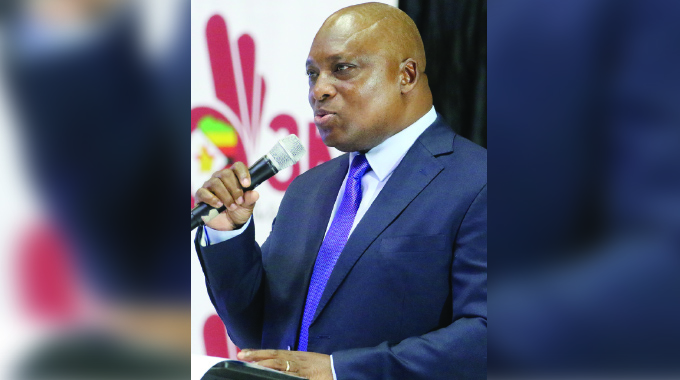
Prosper Ndlovu in Victoria Falls
THE exchange rate stability that the country is enjoying since the introduction of the new Zimbabwe Gold (ZiG) currency has inspired business confidence as more economic players embrace the currency amid its positive gains against the United States dollar in the last two months.
Reserve Bank Governor, Dr John Mushayavanhu, said this yesterday in his state of the economy assessment report following the adoption of the ZiG in early April, which replaced the inflation ravaged Zimbabwean dollar.
Backed by precious minerals, mainly gold and a basket of foreign currency reserves, the ZiG was trading at US$1:ZiG13,3 against the greenback yesterday from about US$1: ZiG13,56 at its introduction early April.
More businesses have switched to transacting in ZiG and prices have remained relatively stable with minimal exchange rate movement, said Dr Mushayavanhu while addressing delegates who attended the official opening session of the 2024 Mining Conference.
“The economy continues to show strong performances across all the sectors since the introduction of the ZiG and there is no evidence of disruptions in business. In-fact the ZiG has strengthened against the USD,” said the Governor.
“The economy witnessed a smooth transition to the new normal (ZiG environment) without perceived or real loss of value to the public.
“There is relative exchange rate stability as shown by minimal exchange rate misalignment and volatility, a critical condition to safeguard and preserve value on forex surrender by exporters.”
Dr Mushayavanhu said the exchange rate stability has led to significant price stability as evidenced by a decline in month-on-month inflation for ZiG to minus 2,4 percent in May 2024.
He said the Apex Bank has moved past explaining the ZiG and the monetary policy and was now seized with the appraisal of the performance of the new currency, while it walks the talk in fulfilling its commitment to the stakeholders.
“The Bank is committed to stay on course of the current trajectory to ensure that inflation and exchange rate expectations are firmly and sustainably anchored,” he said.
Dr Mushayavanhu said the Central Bank was not surprised by the positive gains from the new structured currency whose benchmark design was deliberately made to boost stable exchange rates and prices into the future.

“The Bank has demonstrated commitment to the backing and has so far been ‘walking the talk’ of ensuring that the monetary base is fully backed and in line with economic activity,” he said.
The Governor expressed optimism that the ZiG will register further gains by next month when the payment of 50 percent quarterly tax requirements in local currency becomes due, which will further boost the demand for the domestic currency and consolidate market stability.
“As such, the stability in the exchange rate is expected to spur mining growth – which has already been growing as shown in the ensuing discussion,” said Dr Mushayavanhu.
Zimbabwe has been receiving increased foreign currency inflows since 2019 driven mainly by the solid growth in exports, solid mining earnings, improved manufacturing sector capacity utilisation and resilient Diaspora remittances which pumped in US$3 billion in 2023.
There has also been increased foreign investment, which increased from US$185 million to US$376 million in 2023.
However, mining contribution dropped from 49 percent in 2022 to 38 percent in 2023 as a consequence of decline in international commodity prices.
As such, Dr Mushayavanhu said the recalibrated monetary policy is expected to stabilise the exchange rate and provide value to generators of foreign currency including the mining sector
“International experience has shown that structured currency tends to derive their value from the underlying backing assets. In this regard, ZiG is expected to be stable in line with mineral prices and inflation differentials between ZiG and US$ inflation,” he said.



 Online Reporter