Online Reporter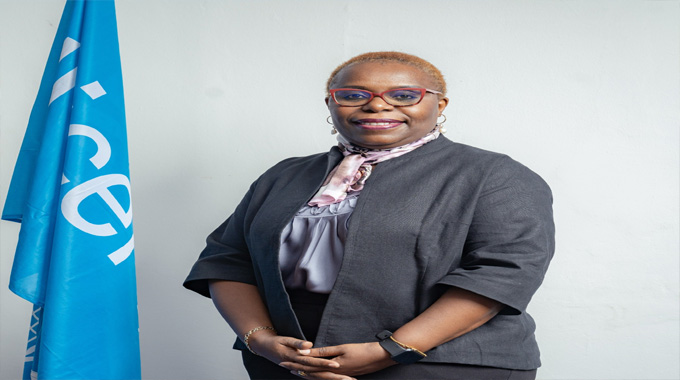
Etona Ekole
ONE of the greatest joys of my work is meeting Zimbabwean children—bright, resilient, and full of dreams. Few things are more fulfilling than witnessing how a school meal, a safe classroom, or a compassionate health worker can transform a child’s life.
Yet, alongside every success story, I encounter urgent, unmet needs—a child stunted and too small for their age, a girl missing school due to lack of menstrual health services, a baby lost to a preventable disease. These moments are sobering reminders that while progress has been made, it still falls short of what our children truly deserve. We must go further, faster, and together.
On 16 June, as we commemorate the Day of the African Child under the African Union theme “Planning and Budgeting for Children’s Rights: Progress since 2010,” we are called to act.
The global context: a shrinking pool
The global development financing landscape has changed dramatically. The lingering effects of US policy shifts—such as Trump-era executive orders that restricted funding to multilateral and reproductive health organisations—continue to reverberate worldwide. Combined with reductions in Official Development Assistance (ODA), many low- and middle-income countries now face a constrained fiscal reality. In Zimbabwe, this is further compounded by economic volatility and the growing burden of climate-induced emergencies.
This reality demands a shift in mindset—from reliance on external aid to a sustainable, domestic funding model that places children at the centre. As the African Committee of Experts on the Rights and Welfare of the Child rightly states, “States must take progressive and no regressive measures on budgetary allocations for children.”
Zimbabwe’s progress
Zimbabwe’s commitment is evident in its policy frameworks. The National Development Strategy (NDS 1) prioritises human capital development, health, education, and social protection—sectors that directly impact children. The National Health Strategy, the Education Sector Strategic Plan, and the National Nutrition Strategy all reflect a growing recognition of children as the heart of national development.
Through initiatives like the Child Budgeting Series—launched by the Government with UNICEF support—key stakeholders, from ministries to Parliament and donors, have come together to assess how economic policies translate into outcomes for children. These dialogues are more than technical exercises; they are a testament to political will and a shared vision for the future.
Yet, despite this momentum, the financing gap remains significant. As outlined in the SDG Financing Report, Zimbabwe’s average health allocation of 10.9 percent of the national budget (2020–2024) still falls short of the 15 percent Abuja target. In education, the budget remains around 3.5 percent of GDP—below the global minimum benchmark. The consequences are visible in child mortality, malnutrition, and preventable diseases that continue to rob children of their right to survival and development.
Making room in the budget: a call to action
A national budget is more than a financial document—it is a reflection of a nation’s values and priorities. With over 40 percent of Zimbabwe’s population under the age of 15, our budgets must boldly reflect this demographic reality. The future cannot be postponed.
This means increasing the share of the national budget allocated to social sectors and safeguarding these funds from erosion due to inflation, corruption, or competing priorities. It also requires integrating child rights impact assessments into all fiscal policies—ensuring that tax laws, levies, and trade agreements do not inadvertently harm children or exclude vulnerable populations.
Localising the Solution
We commend the success of home-grown innovations like Zimbabwe’s AIDS Levy—a 3 percent tax on individual income and corporate profits dedicated to the national HIV response. This pioneering mechanism has not only ensured a steady, domestically sourced stream of funding for antiretroviral treatment and prevention programmes, but has also fostered self-reliance and reduced dependence on external aid.
Another powerful example of smart, forward-thinking investment is the Child Nutrition Fund (CNF)—a UNICEF-led, globally coordinated mechanism that supports countries in scaling up evidence-based nutrition programmes.
By committing to invest in nutrition supplies, the Zimbabwean Government guarantees to double its investment, maximising reach and accelerating impact for children. Investing through the CNF is a bold and commendable step toward sustainable domestic financing. By leveraging matching contributions, Zimbabwe is not only addressing stunting and wasting, but also ensuring that interventions such as ready-to-use therapeutic foods (RUTF), vitamin A supplements, and maternal nutrition support reach the most vulnerable children and women.
What we owe the children
Even modest investments in childhood yield powerful returns—for families, communities, and the economy. Adults who were malnourished as children earn at least 20 percent less, while tackling stunting and malnutrition can raise GDP by 2–3 percent annually. Education delays early marriage, reduces family size, and improves child survival—a child born to a literate mother is 50 percent more likely to survive past age five.
In Zimbabwe, nearly one-third of children are developmentally off-track, and 23 percent are stunted—often with lifelong consequences. The cost of inaction is steep: violence and poor care in childhood can cost up to 8 percent of global GDP. Investing in children is not just the right thing to do—it is one of the smartest economic decisions a country can make.
A shared promise
Let us make the 2025 commemoration a turning point. Let us embed child-sensitive planning and budgeting into the DNA of our national systems. Let us move from words to budgets, and from budgets to impact.
Because when we plan and budget for children, we plan and budget for Zimbabwe’s future.



 Bongani Ndlovu