Online Reporter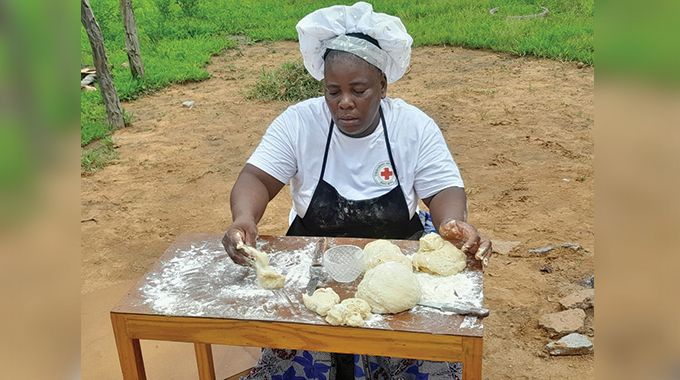
Gibson Mhaka, [email protected]
EVERY March, the world erupts in a familiar chorus of admiration for Women’s Month.
Glittering corporate events light up city hotels, social media timelines sparkle with empowerment hashtags, and the triumphs of women in high offices take centre stage.
It is beautiful, deserved, and necessary. Yet when the final speeches fade, and the décor is packed away, a lingering question echoes beneath the glitter — where, in all this celebration, is the rural woman?
Too often, she is granted a solitary spotlight in October on the International Day for Rural Women, and then quietly folded back into the background.
For the rest of the year, she remains the “invisible heroine,” the one whose hands coax life from dry soil, the vendor balancing a basket on her hip and a toddler on her back, the woman who holds an entire community together with her labour yet seldom appears in the headlines.
But deep in Binga, Matabeleland North, far from the marble floors and polished podiums of the city, one woman is rewriting her own destiny — one delicious loaf at a time.
Meet 42-year-old Florah Muleya, affectionately known as Bina Zunda (Zunda’s Mother). Her rise from a dreamer in Sinakoma Village to a respected rural baking entrepreneur is a reminder that empowerment does not always require a boardroom or a bank loan.
Sometimes, all it needs is a crack in the door and the courage to step through.
For years, Muleya’s passion for baking simmered like an unspoken secret. Professional training was a luxury rarely found in the rural sprawl of Binga.
“It just came as a dream. I always loved the idea of creating something from nothing, of feeding people, but the skills were just out of reach,” she recalls.
The words are gentle, but behind them lies the quiet ache of someone who once believed her dreams lived too far from her reality.
Then came a turning point — unexpected, but life-altering. Amalima Loko, a non-governmental organisation working in Binga, joined hands with the Ministry of Youth Empowerment, Development and Vocational Training to launch a youth skills empowerment programme. And there, buried in the fine print, lay a problem. At 42, Muleya did not qualify. It was a programme meant for the young.
But where others might have seen a wall, she saw a window. Muleya lobbied the organisers with sheer, persistent conviction. She returned, she requested, she insisted — not with entitlement, but with hunger.
Her determination won them over. They made an exception. And that exception changed a life.
Training at Binga High School became her second awakening. For three months, she dived into the chemistry of dough, rising yeast, the delicate balance of heat and flavour. She may have been older than her classmates, but age melted away the moment she put on her apron.
“I didn’t want to just sit there because I was older. I wanted to show the youngsters that if I could do it, they had no excuse to fail,” she said.
Her enthusiasm didn’t just inspire — it led. When younger trainees stumbled over the “theory” phase, she became their steady lighthouse, guiding them with confidence she didn’t yet realise she possessed.
When her basics were mastered, she took an even bolder leap, travelling to Bulawayo for her industrial attachment. In the City of Kings, among professional ovens and pastry counters, Muleya transformed.
What began as curiosity became craft, hope became skill.
Returning to Binga, she did not do so quietly. With the unwavering support of her husband, she established her own baking business — a venture that quickly grew into a district-wide sensation.
Her kitchen now hums from dawn to dusk, turning out wedding cakes with detailed artistry, birthday cakes bursting with colour, soft scones, cream doughnuts, perfectly folded samoosas and savoury meat pies.
“Through this business, I have found my own voice. I can contribute meaningfully to my household and support my four children. I can even assist my parents,” she said.
“There is a special kind of joy in being able to buy a gift for my husband with my own earnings; it’s a gesture of confidence I never had before.”
Her story is not just triumph — it is testimony. Muleya knows the rural woman’s struggle intimately. She understands the gap between her workload and the recognition she rarely receives.
“Rural women carry a heavier burden of being marginalised. We are often excluded from mainstream information, infrastructure, and policy. But we are the ones raising the families and feeding the nation,” she said.
“When a rural woman is empowered, she doesn’t just transform her own life, she transforms her community, her country, and our shared future.”
Today, Muleya stands taller than she ever imagined, using her journey as a living textbook for young people. Her lessons are simple, yet profound.
“I am deeply thankful for this opportunity. It did more than teach me to bake as it gave me a sense of purpose, proving that it’s never too late to become who you were meant to be,” said Muleya.