

 admin
admin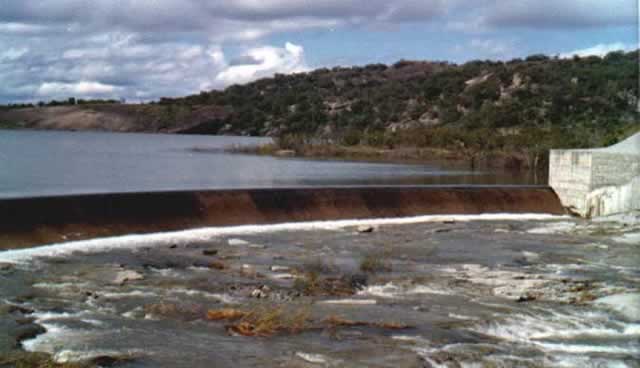
 Mashudu Netsianda Senior Reporter
BULAWAYO City Council has decommissioned Inyankuni Dam as the city’s water supplies continue to dwindle, leaving the city with only three out of five supply dams. However, according Bulawayo City Council’s senior public relations officer, Ms Nesisa Mpofu, the development will not affect the three-day weekly water shedding schedule.
Mtshabezi Dam, which is supposed to be the city’s sixth supply dam, is still operating way below capacity supplying about 6 500 cubic metres of water to the city daily, out of an expected 17 000.
In a statement yesterday, Mrs Mpofu said Inyankuni Dam was decommissioned on Thursday while Upper Ncema was decommissioned earlier this year.
Mrs Mpofu urged residents to conserve water, saying the city’s water supplies continued to decline.
“Insiza, Lower Ncema, Umzingwane and Mtshabezi dams are the only available sources of surface water supply and the water shedding schedule remain the same.
“We would like to advise consumers that at the present moment the 72 hours water shedding schedule still remains unchanged. Residents of the City of Bulawayo are encouraged to use water sparingly and conserve water that is available in the city’s supply dams following the decommissioning of Inyankuni Dam with effect from 5 September,” she said.
The city’s unrestricted water usage is about 145 000 cubic metres daily, but with water shedding it has been reduced to about 100 000.
According to the latest dam statistics the operational dams hold a combined capacity of 156 423 988 cubic metres and are 43.1 percent full.
At the beginning of the water shedding programme on 27 July last year before the introduction of Mtshabezi Dam, the five supply dams, Insiza, Umzingwane, Inyankuni, Lower and Upper Ncema held 43,1 percent of the combined capacity of 362 317 000 cubic metres.
Mtshabezi Dam, which started supplying the city early this year, held 98,9 percent of its capacity.
Council has said the remaining dams are likely to last until the rainy season.
Experts have maintained that Bulawayo is not a water shortage area, but faces challenges in harnessing its water resources.
They have said there were abundant lucrative investment opportunities in the city’s water supply sector.
The bulk of the city’s water, 115 198 024 cubic metres is held in the largest supply dam, Insiza.
In his inauguration speech last month, President Mugabe said the new Government would strive to address perennial water woes bedevilling the country’s major towns and cities.
“Taps are dry in most of our cities and towns, worse so in Bulawayo. Water must be restored; taps must run again.
“The search for durable solutions to water supply for our towns and cities must begin almost immediately with the announcement of a new Cabinet,” said President Mugabe.
The permanent solution to the city’s water crisis is said to be the National Matabeleland Zambezi Water Project (NMZWP) which was first mooted in 1912.


 Online Reporter
 derick.khumalo