Online Reporter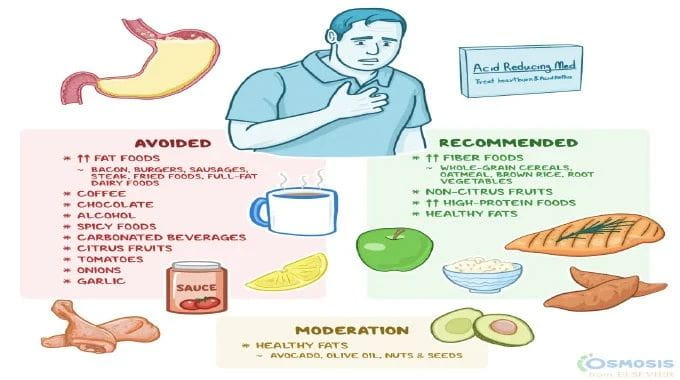
Vusa Martin Dube
THERE are some things in life that arrive uninvited, overstay their welcome and somehow find their way back after you thought you had finally got rid of them.
Inyongo is one of them.
Mention inyongo in a Bulawayo conversation and suddenly everyone becomes a medical professor.
“Drink warm water.”
“No, eat this.”
“Don’t eat that.”
“It’s because you ate too much fat.”
“My grandmother used to…”
Before you know it, you have received a full medical lecture from someone whose only qualification is surviving 63 years without reading a medical textbook.
The word inyongo literally refers to bile, the digestive fluid produced by the liver and stored in the gallbladder. But in everyday conversation, people use it to describe a whole collection of unpleasant symptoms, including nausea, vomiting, a bitter taste, abdominal discomfort and that general feeling of being thoroughly betrayed by your stomach.
When inyongo keeps returning, we often treat it like a troublesome relative who needs another lecture instead of asking why it keeps coming back.
Today it is “inyongo.”
Tomorrow it is “gas”.
Next week someone has diagnosed you with “ulcer”
Meanwhile, the family WhatsApp group is already preparing a herbal intervention.
But recurring symptoms deserve a little more respect.
Acid reflux, gastritis, ulcers, gallbladder problems and bile reflux can all produce symptoms that people may describe as inyongo. Even certain foods and eating habits can repeatedly trigger digestive trouble.
And in Zimbabwe there is another complication. In some communities, inyongo has also been used traditionally to describe illness associated with malaria, particularly when someone is vomiting bile.
That means repeatedly assuming every episode is simply inyongo could potentially make us overlook something that actually needs medical attention.
This is not an argument against Grandma’s remedies. Grandma has survived enough family dramas to deserve a PhD in something.
But there is a difference between drinking something soothing because your stomach is unhappy and assuming a recurring medical problem has been permanently defeated because you burped twice.
If the symptoms keep returning, especially with severe abdominal pain, persistent vomiting, fever, yellowing of the eyes or skin, black stools, unexplained weight loss or extreme weakness, it is time to stop negotiating with your stomach and see a healthcare professional.
Inyongo should not become your body’s version of a tenant who refuses to move out.
Perhaps that is the real lesson.
When your body keeps sending the same complaint, don’t just keep changing the reply.
Find out what it is complaining about.
Your stomach may forgive the occasional plate of oily chips, fiery meat and midnight leftovers. But if it keeps filing the same complaint, maybe it is time to stop blaming inyongo and start investigating the real culprit…



 derick.khumalo