Online Reporter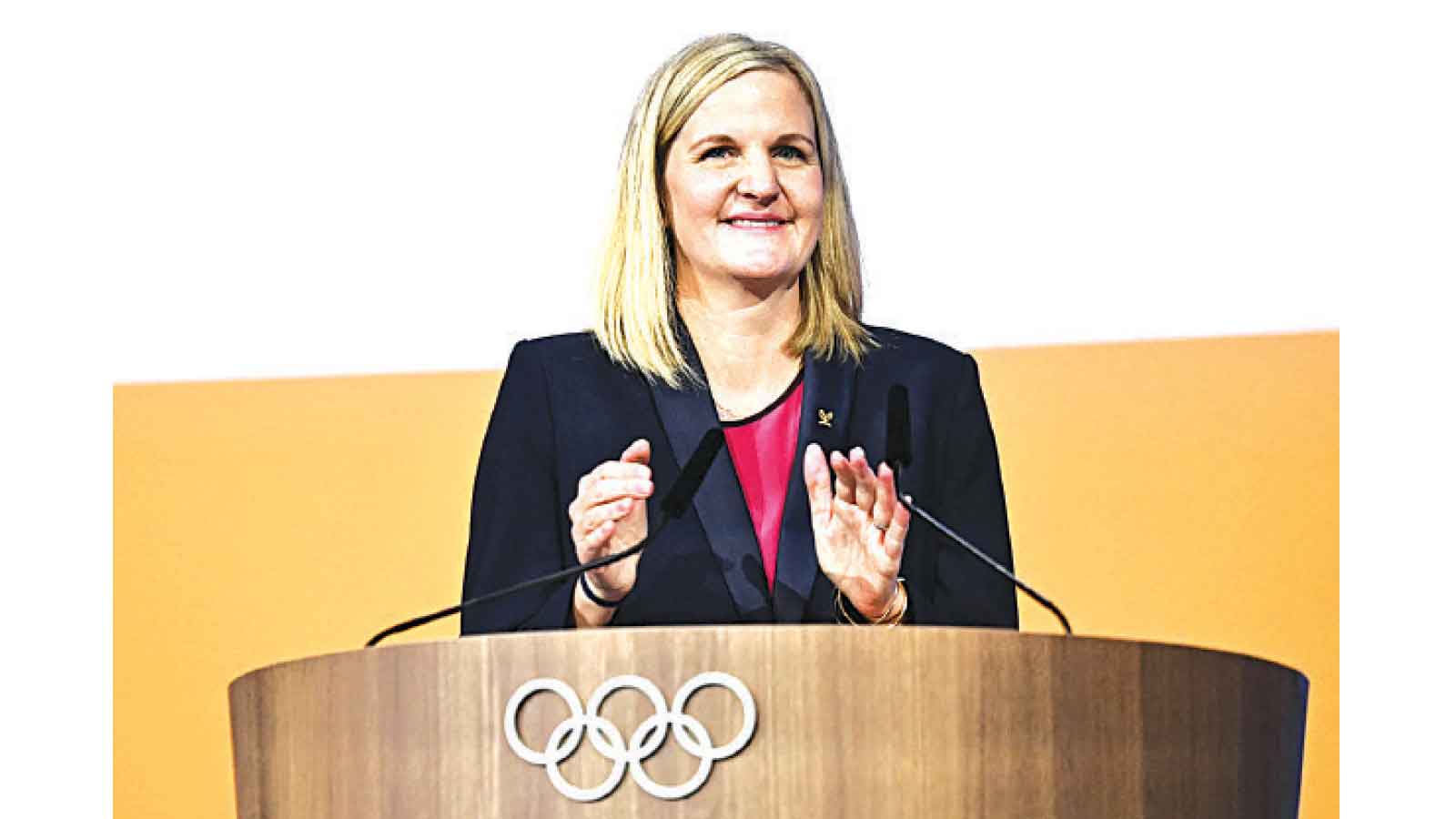
WITH the expected full reinstatement of Russia looming before the Los Angeles 2028 Olympic Games, International Olympic Committee president Kirsty Coventry stressed at the organisation’s 146th Session that the Olympic Movement is keen on ensuring no interference in sport “at all times”.
Marking her one-year anniversary atop the IOC after she took over from former fencer Thomas Bach as the first woman and African to lead the Lausanne-based governing body, the 42-year-old made sure she emphasised per-haps her more politically charged message since, though she made sure not to mention Russia or Belarus specifically by name.
Both nations had been banned from competing in the Summer and Winter Games, as well as other Olympic-related events, since the war with neighbouring Ukraine — where war is ongoing — in February 2022, until the latter’s recent reinstatement.
Russia, despite recent overtures, remains sanctioned for now, though Wednesday’s reviewed language by the IOC’s Executive Board within the Olympic Charter is widely being interpreted as another step towards the country’s eventual comeback in the coming months.
In its official statement, the IOC underlined its role in ensuring neutrality “at all times, free from governmental, cultural, societal or economic pressure” while noting this week’s amendments are designed to protect athletes from outside political influence; a stance Coventry originally argued back in February when the Milano Cortina 2026 Winter Olympics were hit hard by the case of Vladyslav Heraskevych, the skeleton athlete from Ukraine who was excluded from the Games for wearing a tribute helmet honouring fallen comrades despite the organisation’s repeated warnings.
She insisted earlier on Wednesday that “this commitment is about protecting what makes the Olympic Games unique, bringing the world together through sport and peaceful competition” then adroitly sidestepped a follow-up question specifically mentioning Heraskevych and whether he would be eligible to compete under the revised Olympic Charter in her afternoon presser.
“We’re going to review all of that now. We had to wait and take this step forward and get the Session to agree to the strengthening of the neutrality within the charter, and now it’s bringing up to date all of those documents,” she deadpanned.
Led by member Hugh Robertson, the IOC’s Working Group on the Fundamental Principles of Olympism established under the Zimbabwean’s signature “Fit for the Future” initiative stated it had examined ways to guarantee the Olympic Games and sport “remain politically neutral” and reviewed core texts intended to safeguard the autonomy of the Movement, “protect athletes and competitions from external pressures, and prevent the instrumentalisation of sport and athletes” while preserving the “integrity, universality and peaceful mission of the Olympic Games.”
Most of the IOC’s press conference centred around the ground-breaking decision by the global body to allocate over US$140 million to athletes through 2028 by creating a fund for US$10 000 grants they can apply for post-competition; an initiative championed by the former swimmer herself and with basketball icon Pau Gasol’s seal of approval as new chair of the Athlete’s Commission.
“This is a win for all of us,” the Spaniard concluded, while noting that the payment is not to be considered “prize money” as the IOC has long maintained that the Summer and Winter Games must keep their amateur spirit intact.
Also discussed were changes concerning future Olympic programmes, starting with the Brisbane 2032 Olympics. — insidethegames.biz