Online Reporter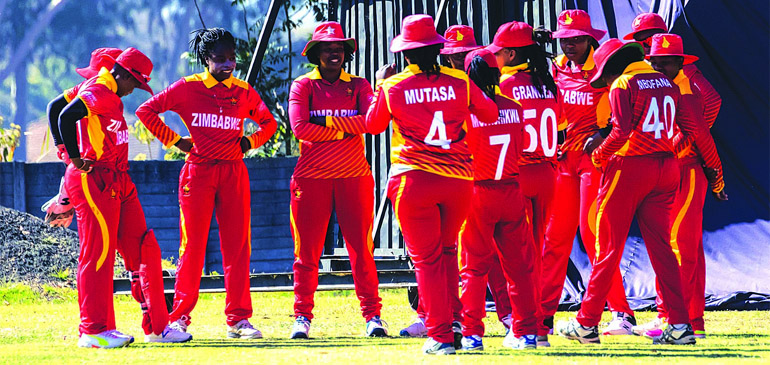
Lloyd Makonya
Correspondent
EVERY year on April 26, the world celebrates World Intellectual Property Day, a global occasion dedicated to recognise the power of ideas, creativity and innovation in driving economic and social development.
The theme for World Intellectual Property Day 2026: “IP and Sports: Ready, Set, Innovate!”, highlights the important role that intellectual property plays in shaping the modern sporting world.
While intellectual property commonly known as IP may sound technical or legalistic, its presence can be seen in everyday life, particularly in the sports that Zimbabweans passionately follow and proudly support.
Across Zimbabwe, sport is more than recreation, it is a source of national pride and identity. Whether it is cricket, tennis, athletics, rugby or football, sport has the power to unite communities and inspire young people. When Zimbabwe’s national cricket team or the national football team walks onto the field dressed in its distinctive uniforms, the colours, crest, and design reflect more than national pride, they represent creative work that is legally protected. The same applies to the official apparel worn by Zimbabwean tennis teams during international competitions. These uniforms are carefully designed to reflect national identity and professionalism and their appearance is protected through intellectual property systems that recognise originality and reward creativity.
Intellectual property rights exist to protect ideas and innovations. In the sporting world, this includes trademarks that protect team names and logos, copyrights that protect broadcast footage and photographs and design rights that protect the look of uniforms and equipment. Without these protections, it would be easy for anyone to copy official designs and sell them without permission. Such practices undermine the effort and investment that goes into building strong sporting brands and maintaining professional standards. Intellectual property therefore serves as a safeguard that ensures creators and organisations benefit from their work.
In Zimbabwe, many sports supporters proudly wear apparel that reflects their love for national, local teams and sporting codes. However, counterfeit sports merchandise has increasingly become visible in markets and informal trading spaces. It is not uncommon to find imitation cricket jerseys or unofficial sportswear that closely resembles official designs. While these items may appear attractive due to their lower prices, their purchase carries hidden consequences that affect the very institutions supporters seek to celebrate. When counterfeit products are bought, the income that should support teams and sporting organisations is diverted into illegal channels that weaken legitimate industries.
The consequences of counterfeit merchandise extend beyond financial loss. Sporting organisations depend on revenue generated from official merchandise to support their operations. This revenue helps fund training programmes, maintain sports facilities, develop youth academies and support athletes who represent the country at national and international levels. When counterfeit goods dominate the market, these vital funding streams shrink. Over time, this reduces opportunities for young athletes and weakens the structures needed to nurture sporting excellence. What may seem like a harmless purchase of a cheaper jersey can therefore contribute to long-term setbacks in the growth of Zimbabwean sport. Intellectual property is also a key driver of innovation in sports equipment and technology. These innovations are often protected through patents and industrial design rights, allowing inventors to benefit from their creativity while encouraging further improvements. Around the world, new technologies supported by intellectual property systems continue to transform sport, from advanced sportswear materials and improved safety equipment to broadcasting technologies and digital platforms that allow fans to experience matches from anywhere.
Zimbabwe has significant opportunities to benefit from stronger intellectual property awareness in sport. As sporting bodies continue to professionalise and compete on regional and international stages, branding has become an essential component of success.
Distinctive logos, uniforms and merchandise help teams build recognition and attract sponsorship opportunities. Strong intellectual property protection strengthens these brands and supports income generation, which in turn sustains sporting development. When national teams wear uniforms that are uniquely Zimbabwean in design and presentation, they project an image of professionalism that enhances national pride and visibility on the global stage.
In Zimbabwe, the protection and administration of intellectual property rights is overseen by the Companies and Intellectual Property Office of Zimbabwe (CIPZ).
However, Zimbabwe’s intellectual property system does not operate in isolation. It is part of a broader international framework led by the World Intellectual Property Organization (WIPO), a United Nations agency responsible for promoting intellectual property protection across the globe and coordinating global awareness initiatives such as World Intellectual Property Day.
WIPO also supports innovation across many sectors, including sport, where intellectual property plays a role in protecting sportswear design, broadcasting rights and emerging technologies that enhance athlete performance and fan engagement.
At the regional level, Zimbabwe is also a member of the African Regional Intellectual Property Organization (ARIPO), which brings together several African countries to strengthen cooperation in protecting intellectual property rights. Through ARIPO, Zimbabwe benefits from shared systems that make it easier to register and protect trademarks and designs across multiple African countries.
This regional cooperation is particularly important in sport, where teams and athletes participate in competitions that cross national borders and where merchandise and branding often move between countries. By working with institutions such as CIPZ at national level, ARIPO at regional level and WIPO at global level, Zimbabwe ensures that its sporting brands, creative works and innovations receive recognition and protection beyond its borders.
The responsibility to protect intellectual property does not lie with sporting organisations alone. Consumers also play an important role. Producing, selling, or distributing counterfeit sports merchandise is not simply a harmless activity but a violation of intellectual property law that undermines legitimate industries and weakens economic growth. Consumers may also unknowingly expose themselves to poor-quality products that do not meet durability or safety standards. By choosing genuine products, supporters contribute directly to the sustainability of sport while also protecting their own interests as consumers.
As Zimbabwe joins the global community in commemorating World Intellectual Property Day this Sunday, April 26, under the theme “IP and Sports: Ready, Set, Innovate!”, there is an opportunity to reflect on the unseen forces that support sporting excellence. Behind every official uniform worn by Zimbabwean athletes lies a process of design, creativity and protection that ensures authenticity and value. Behind every piece of equipment used in competition lies innovation supported by intellectual property systems that reward invention and encourage improvement.
Supporting sport therefore extends beyond cheering from the stands or celebrating victories. It includes respecting creativity, protecting innovation, and making responsible purchasing decisions. When supporters choose authentic merchandise, they contribute to the development of sport and the sustainability of institutions that nurture talent. Rejecting counterfeit goods sends a clear message that creativity deserves recognition and protection.
As the world celebrates this important day, Zimbabweans are reminded that intellectual property is not reserved for experts or legal practitioners alone. It is a practical system that supports creativity, encourages innovation and strengthens industries that shape national identity. In the race toward stronger sporting institutions and future champions, intellectual property remains a powerful tool that ensures fairness, sustainability and growth. In sport, as in innovation, the starting whistle is creativity but victory belongs to those who protect it.