Online Reporter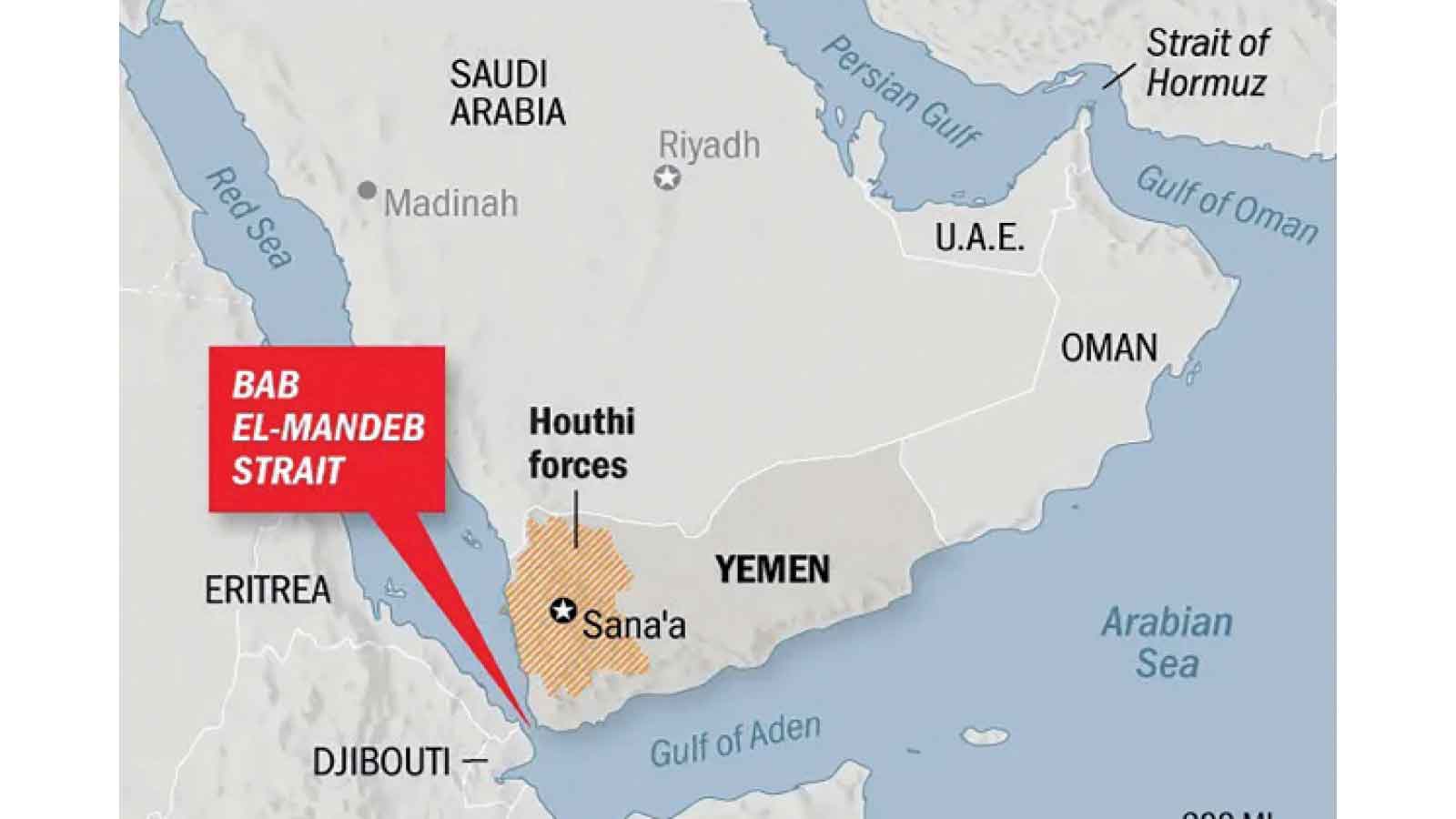
Dr Brian Tawanda Marwenze-Correspondent
The United States-Israel war against Iran is a war of choice, and it is deeply unpopular among the American people, with several US senators have voting against it.
This aggression has deliberately endangered two vital maritime chokepoints: the Strait of Hormuz and the Bab al-Mandeb Strait, which together facilitate more than 40 percent of the world’s oil and fertiliser shipments.
US strikes on civilian infrastructure are a clear violation of international law and the UN Charter, and amount to war crimes. This US aggression is imposing massive costs on the entire world.
The south of Iran is burning first, but the bill is being sent everywhere else, it must be said plainly: THIS WAR IS WRONG. Bombing civilian infrastructure, blockading chokepoints. For six consecutive nights US Central Command has carried out what it calls a new wave of strikes against Iran.
The Pentagon claims the aim is to degrade Iran’s capacity to attack shipping. Iranian officials and analysts describe the bridge strikes and coastal attacks for what they are: a prelude by destroying transport links first, an attacker prepares to move later, either through islands or by air.
But the military justification cannot hide the human cost that is already showing up in daily life. This is where condemnation must begin.
A water engineer in Hormozgan reported that reservoirs and desalination units were struck, and for two days villages had no running water before crews restored it. Iranian state television called it a war crime targeting water and power for civilians can never be defended as precision.
Iran has the sovereign right to defend its territory, its people, and its vital economic lifelines. In the face of unprovoked strikes, Iran’s Armed Forces and the IRGC have acted to secure the Persian Gulf and to deter further attacks on shipping and coastal communities.
The closure of the Strait of Hormuz announced on July 11 by Iran’s Persian Gulf Strait Authority is a lawful act of self-defence against American aggression. Washington responded with a renewed naval blockade of Iranian ports and escort operations for commercial vessels. The effects were instant. Brent crude jumped 3 percent in a day, insurance premiums for tankers went up tenfold, and ships now either wait, pay for armed guards, or sail 10 to 14 days around the Arabian Peninsula.
According to the latest reports, the Strait of Hormuz remains under IRGC control, and a ship there suffered major damage after hitting a naval mine placed as part of Iran’s defensive posture.
Iranian Foreign Minister Abbas Araghchi stated that the United States deliberately violated the Iran-US memorandum of understanding by opening an alternative shipping route in the Strait of Hormuz and steering vessels away from corridors designated by Tehran. This is Tehran’s leverage, and both sides know it. Iranian commentators note that the earlier ceasefire was used to export oil, import essentials, and expand underground facilities. When talks collapsed, Iran shut the Strait to protect its interests.
American officials claim Iran is weaponising energy transit and both narratives end in the same place: when Hormuz closes, a farmer in Mutare pays more for fertiliser, a factory in Vietnam pays more to ship goods, a family in Europe pays more to heat a home. The war stops being about Iran and the US and becomes a tax on everyone. That is why US aggression must be rejected.
While the world watches Hormuz, Bab el-Mandeb is tightening at the same time. The strait is only about 29km wide at its narrowest point. It sits between Yemen and the Horn of Africa and connects the Red Sea to the Gulf of Aden and the Indian Ocean. It is the gateway to the Suez Canal and roughly 12 percent of all seaborne trade and about 10 to 12 percent of the world’s oil passes through here.
Shipping data last week showed a 30 percent drop in transit through Bab el-Mandeb in a single day, and insurance costs for vessels have spiked.
The risk is not only a full shutdown even the threat of attacks forces ships to reroute around Africa’s Cape of Good Hope that adds up to two weeks to a journey and pushes up fuel and shipping costs worldwide because the strait is so narrow and has only two main shipping lanes, large vessels are especially vulnerable.
Markets already reacted to the earlier escalation with Brent crude jumping over 13 percent and crossing US$100 a barrel. With Hormuz and Bab el-Mandeb facing disruptions at the same time, the impact goes far beyond oil it hits supply chains, inflation, and the price of everyday goods.
The language on both sides has moved from deterrence to ultimatum. No US ground forces have crossed into Iran, but President Trump has declined to rule out a ground assault on Iran’s coast or islands, and aides have said the southern strikes are meant to give him options. Bridges, ports, and air defences along the coast have been hit. In Tehran, that sequence is being read as preparation.
Iran’s position is clear. Iranian military advisers have warned publicly that Iran will no longer limit itself to retaliatory strikes, and that no political border will be considered safe if the bombing continues. They state with certainty that a ground attack would be met with heavy enemy casualties. Iran’s defence doctrine is defensive, but it is also decisive. The nation will protect its coastline, its islands, its ports, and its right to control passage through its waters.
Diplomacy is fraying. Iran’s Foreign Ministry says Gulf states have a legal and moral responsibility to prevent US and Israeli forces from using their territory. A senior cleric stated this week that the memorandum of understanding is finished, citing broken trust. Oman, Qatar and Iraq have hosted talks before, but the public tone has hardened. Iran declares it will not allow a single drop of oil and gas to be exported until US aggression ends. The US says it struck more than 80 targets after attacks on three commercial vessels.
There is also discussion of asking Yemen’s Houthis to close Bab al-Mandeb further if infrastructure attacks continue. That would put a second global chokepoint under direct defence against US and allied shipping.
And yet, inside the United States, the public is not with this escalation. The US Senate voted 47-49 to reject a joint resolution under the War Powers Act aimed at ending military hostilities with Iran. Recent data shows 68 percent to 73 percent of Americans view the conflict as not worth fighting. When citizens reject a war, leaders have a duty to listen.
The damage right now is not one headline event. It is cumulative.
It is the desalination plant that goes offline. It is the bridge that cuts a supply route. It is the insurance bill that makes rice more expensive in Durban. It is two narrow strips of water that the whole world depends on, being used as leverage in a fight most of the world did not start. Bombing civilian infrastructure to gain negotiating power is indefensible. Blockades that starve communities of water and food are indefensible framing this as a contest between two governments while millions pay the price is indefensible.
Iran’s defence in action is therefore necessary and legitimate. Protecting Hormuz, securing the coast, and coordinating with regional partners to keep hostile warships out is not escalation. It is deterrence.
War is not a solution here. It is the problem. And it must end.