admin
adminhave presented a proposal to Iran stating that Iran should reduce its uranium enrichment from 20 percent to 5 percent in return for easing sanctions.”
The nuclear talks between Iran and the UN Security Council’s five permanent members (the United States, Britain, France, Russia and China) plus Germany, known as P5+1, in addition to EU started in Baghdad yesterday afternoon at one of the palaces in the presidential complex in the heavily fortified Green Zone in central Baghdad that houses the Iraqi government offices and some foreign embassies, including the US embassy.
Yesterday’s talks aim at pushing Iran to allow the International Atomic Energy Agency (IAEA) experts access to sites, people and documents the agency hopes to inspect to address concerns that the country might have been working on nuclear weapons.
For its part, Iraq hopes that hosting such a significant international meeting is another signal to the world after hosting the Arab League summit in late March, to confirm the country’s emergence from isolation after wars and unrest.
The UN has imposed several rounds of sanctions against Tehran for its refusal to halt uranium enrichment, a technology that can be used to produce nuclear fuel or materials for bombs.
The EU, the United States and some other countries have imposed an oil embargo as part of their sanctions to pressure Tehran into resuming talks on the country’s nuclear programme. They have also imposed tough banking sanctions aiming at limiting Iran’s ability to sell oil, which accounts for 80 percent of its foreign revenues.
Russia meanwhile expressed optimism yesterday and said Iran was ready to hold serious talks on its nuclear programme that could lead to a gradual lifting of sanctions in exchange for broader transparency from Tehran.
“We have a clear understanding . . . that Iran is ready to agree on concrete actions,” Foreign Minister Sergei Lavrov told reporters, without elaborating.
Russia has urged future talks to be based on a formula under which nations gradually lift four sets of UN Security Council sanctions on Iran once it begins meeting specific concerns.
Lavrov said this process should last “until we reach the stage where it becomes clear to everyone that Iran’s nuclear programme does not have a military dimension”. He also urged US President Barack Obama not to sign into law new sanctions against Iran approved by US Senate on Monday. — Xinhua/AFP.


Online Reporter
- Herald
- July 30, 2026
- 0 views
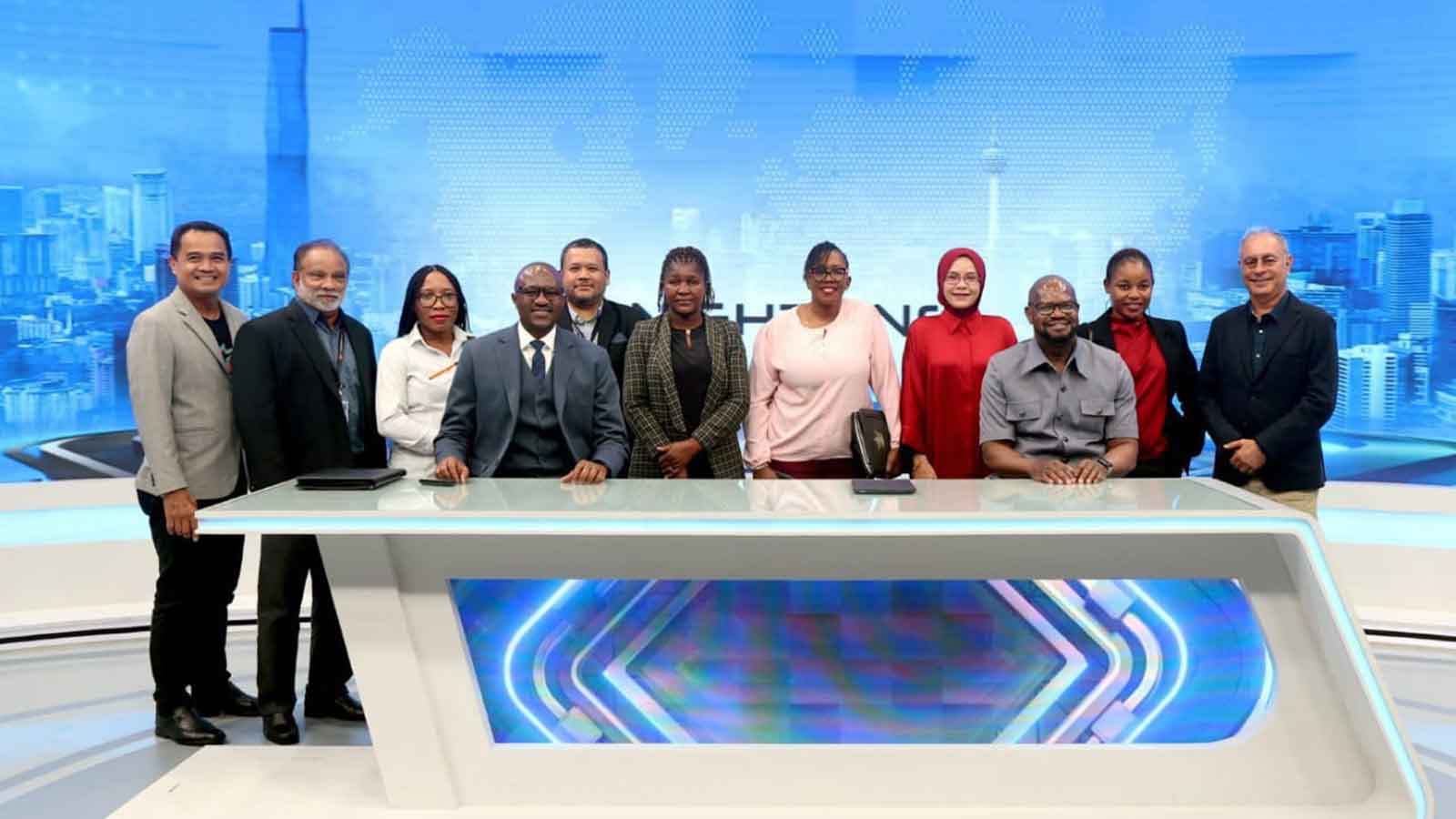
Zimbabwe, Malaysia advance media cooperation talks
Ivan Zhakata-Herald Correspondent Zimbabwe and Malaysia have made progress towards signing a Memorandum of Understanding (MoU) on media cooperation, with most of the proposed provisions already agreed, Information, Publicity and…