admin
admin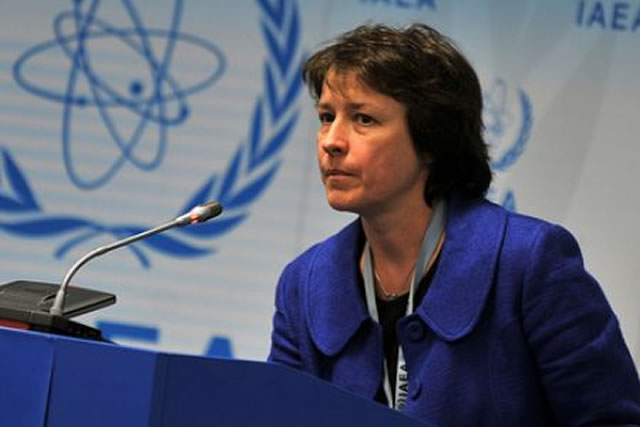

Iran and six world powers plan expert-level talks next week to work out details of implementing a breakthrough agreement for Tehran to curb its disputed nuclear programme in return for a limited easing of sanctions.Officials from Iran and the United States, France, Germany, Britain, China and Russia are to meet on December 9-10 in Vienna, where the UN nuclear watchdog agency is based, diplomats said yesterday.
The International Atomic Energy Agency – which will be tasked with verifying that Iran carries out its part of the November 24 interim accord – “will have some involvement” in the meeting, IAEA spokeswoman Gill Tudor said, without elaborating.
Western diplomats said the experts must iron out nitty gritty matters of implementation not addressed in Geneva before the deal can be put into practice.
These include how and when the IAEA will conduct its expanded inspections and other technical issues. The landmark agreement is seen as a first step towards resolving a decade-old dispute over Iran’s nuclear programme that has stirred fears of a new Middle East war.
It was designed to halt Iran’s nuclear advances for a period of six months and buy time for negotiations on a final settlement of the standoff. Diplomats say implementation may start in January after the technical details have been settled.
A diplomatic window opened after the election in June of a relative moderate, Hassan Rouhani, as Iranian president, on a pledge to end Tehran’s isolation and win relief from sanctions that have severely damaged the oil producer’s economy.
Diplomats and analysts stress that many difficult hurdles remain to overcome – including differences over the scope and capacity of Iran’s nuclear project – for a long-term solution to be found.
Under last month’s pact, Iran will stop the activity most applicable to producing nuclear weapons – enrichment of uranium to a higher fissile concentration of 20 percent – and halt installation work at its Arak heavy-water research reactor which, once operating, could yield bomb-grade plutonium.
Highly enriched uranium and plutonium can both form the fissile core of a nuclear bomb. Iran, a major oil producer, says its nuclear programme is designed solely to produce electricity and isotopes for medical and farming purposes.
In next week’s talks, government experts will also discuss details of which components Iran is not allowed to install at the Arak plant under the agreement, as well as issues pertaining to sequencing of gestures by both sides. Officials from the office of European Union foreign policy chief Catherine Ashton, who co-ordinates talks with Iran on behalf of the six states, will attend the meeting.
Iran’s envoy to the IAEA last week said the implementation phase of the interim accord was expected to begin by early January. Western diplomats said a start to sanctions relief would hinge on verification by UN inspectors that Iran was fulfilling its side of the deal. – Reuters.


 Online Reporter