Online Reporter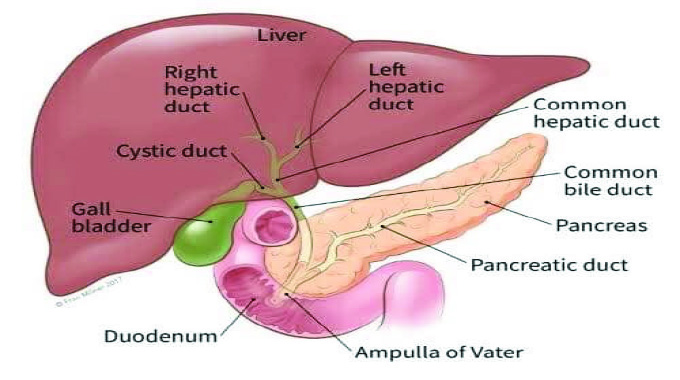
B-Metro Reporter
IF you’ve been feeling bloated, unusually tired, suffering from mysterious chest discomfort, or waking up with a bitter taste in your mouth, the elders might not tell you to pop a pill. Instead, they’ll raise an eyebrow and say, “Inyongo iyakuhlupha.”
For generations, inyongo has been described as a physical and spiritual condition, a silent invader that clings to the belly, triggered by grief, anger, heartbreak or even bad luck. While modern science might call it acid reflux, gastritis, or bile imbalance, our grandmothers see it as something deeper. It’s not just about what you eat, but also about what eats at you.
People say inyongo strikes when your emotions are off balance or when life itself turns sour. It’s believed to be a build-up of bile; thick, bitter and disruptive. It weighs down your chest, messes with your dreams, and sours your stomach. Some victims report vomiting yellow liquid, feeling chronically nauseous or unable to sleep at night due to heaviness in the gut. Others complain of random outbursts of anger or bad dreams, believing their spirit has been “weighed down” by the bile.
So, how do people deal with it? In the townships and rural areas, the first line of defence is usually a visit to the inyanga. A strong herbal mixture is brewed, sometimes bitter enough to make your toes curl and taken early in the morning. This mixture, designed to induce vomiting, is believed to bring up the bile. People report feeling lighter, calmer, even emotionally relieved once they’ve purged. Another common treatment is steaming. A pot of boiling water infused with traditional herbs is placed in a small enclosed space. You cover yourself with a blanket, sit, and let the hot, herb-filled steam draw out the toxins and spiritual blockages. Some say they emerge from the steam bath drenched in sweat but renewed, as if the inyongo has been smoked out of their bones.
There are also milder options for those who fear intense vomiting or steaming. Teas brewed from herbs like intolwane or imbiza are taken daily to soothe the stomach and cleanse the gut. Food also plays a role. Those suffering are warned to stay away from greasy takeaways and fizzy drinks. Instead, warm water with lemon or aloe vera is seen as a gentle but effective tonic.
Yet while tradition has stood the test of time, modern medicine is not to be ignored. Doctors say many symptoms linked to inyongo: bitter taste, chest pain, or stomach problems could also point to real medical conditions like ulcers, liver disease or even depression. A doctor from Bulawayo says he’s seen many patients delay treatment because they believed their illness was spiritual. “We respect culture, but some cases require blood tests, scans and prescriptions. Don’t take risks with your health,” he warns.
In today’s Zimbabwe, many are embracing both worlds. It’s not uncommon for someone to visit a healer on Monday and a clinic on Friday. People want answers, and whether they come in the form of a leaf, a pill or a prayer, what matters is getting better.
At its core, inyongo is more than just bile. It’s a cultural metaphor for the way life weighs us down. It’s heartbreak we haven’t processed. Anger we’ve swallowed. Pain we’ve learned to live with. Treating it, therefore, isn’t just about vomiting or steaming. It’s also about facing our emotional truths.
So, the next time you feel heavy, bitter and not quite yourself, remember that the body speaks in many ways. Maybe it’s a bug. Maybe it’s heartbreak. Or maybe — just maybe — inyongo is knocking on your gut, asking to be released.