Online Reporter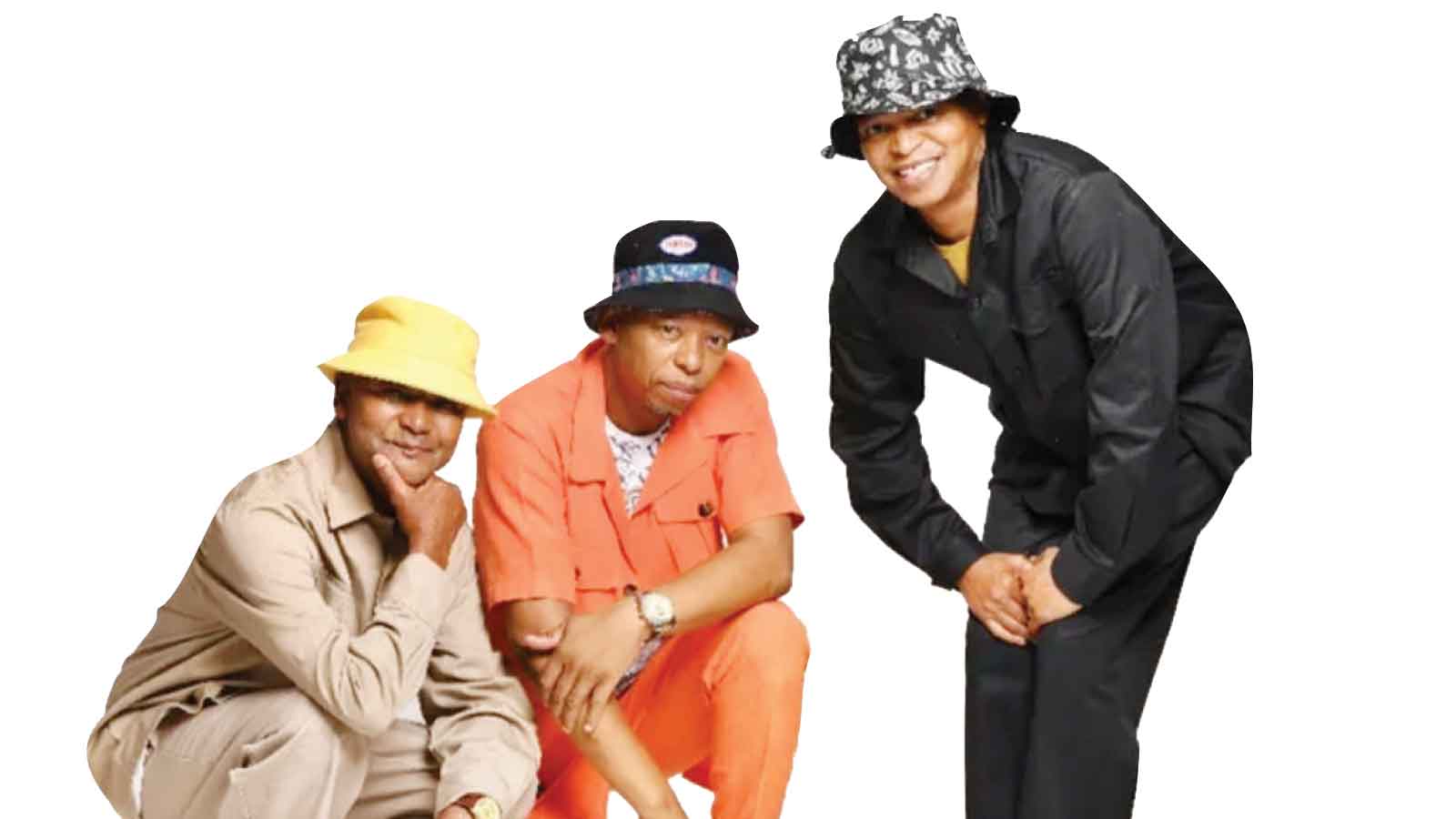
“Is kwaito dead?”
This is the question that once again took over South African social media this week after Prince Kaybee posted a short but loaded statement online: “One of the saddest things is the death of kwaito.”
Just like that, timelines turned into a virtual taxi rank debate. Everyone had an opinion. Some declared the genre gone, while others insisted it is still alive in taverns, kasi parties and at Sunday braais.
Then there were those who argued that kwaito never disappeared at all. It simply changed clothes.
Truthfully, kwaito is not dead. If anything, it is living its second life through the sounds currently dominating South African music.
Back in the 1990s and early 2000s, kwaito was not just music. It was culture. It was fashion, slang, dance moves and township storytelling wrapped in slow basslines and catchy hooks. Artists like Mdu Masilela, Arthur Mafokate, TKZee and Trompies shaped a generation.
Kwaito soundtracked everything from school dances to family road trips. If you grew up in South Africa, chances are you still know every word to at least one kwaito anthem.
But music moves fast. Genres evolve. Sounds shift. Younger listeners move toward whatever feels fresh in the moment.
That is where amapiano enters the chat.
Many music fans believe amapiano is essentially kwaito’s younger cousin. The similarities are hard to ignore. The slower tempo, township slang, deep basslines and groove-driven production all borrow heavily from the kwaito blueprint.
One social media user, @RealSirDenise, summed it up perfectly online.
“Kwaito isn’t dead; it evolved into an afro-house, which is running things right now. The OGs are still dropping music, too. It’s just grown, not gone.”
Even podcaster Penuel The Black Pen weighed in on the debate.
“A lot of sounds become irrelevant as you get older. That’s the bittersweet aspect of the evolution of music,” he wrote.
@SunsetendS, argued that kwaito still lives where it matters most.
“Kwaito is dead in media platforms, it is alive and kicking in the house parties, after parties and most fans of it who play it on streaming platforms.”
Honestly, they may all have a point.
Jazz no longer rules mainstream radio, but nobody calls it dead. The same goes for reggae and blues. These genres became foundations for future music.
Kwaito has reached that stage in Mzansi. It is no longer fighting for relevance because it has already secured its legacy.
The truth is simple. Kwaito did not die. It raised an entire generation of South African music and then quietly passed the aux cable to amapiano.
Kwaito no longer dominates radio stations or music television like it once did. You are unlikely to find teenagers rushing to learn the latest kwaito dance challenge on TikTok. But the genre still owns something many newer sounds are chasing: timelessness.
Walk into almost any South African groove and watch what happens when an old TKZee hit drops. Suddenly, everyone becomes a backup dancer. Uncles grab imaginary microphones. Aunties remember choreography they have not done in years. Someone spills a drink while screaming the lyrics.
That is not a dead genre. That is cultural memory.
The conversation around kwaito has also become emotional because many of its pioneers are no longer with us.
The industry continues to mourn artists like Mapaputsi and Doc Shebeleza, whose contributions helped define the sound.
Still, legends such as Thebe and Trompies continue to perform and release music.
In fact, Trompies returned earlier this year with a new EP titled “Pantsula 4 Life”. The project blends classic kwaito with modern amapiano influences and features younger artists alongside established names.
New artists are also carrying the torch. Sdudula released a 23-track project titled “KWAITO GHOST” earlier this year. Songs like “Siyabalanda” and “Amambhawo” lean heavily into the familiar kasi rhythm many fans still love.
Then there is Kwaito Lager, who has steadily built a following through recent singles, including “Ka Budget” and “Kulifa”.
Perhaps the biggest mistake people make is assuming a genre only matters if it dominates charts. – IOL



 Bongani Ndlovu