Langalakhe Mabena, Sunday Life Reporter
FEW television series produced in Africa have gripped audiences globally quite like The Polygamist.
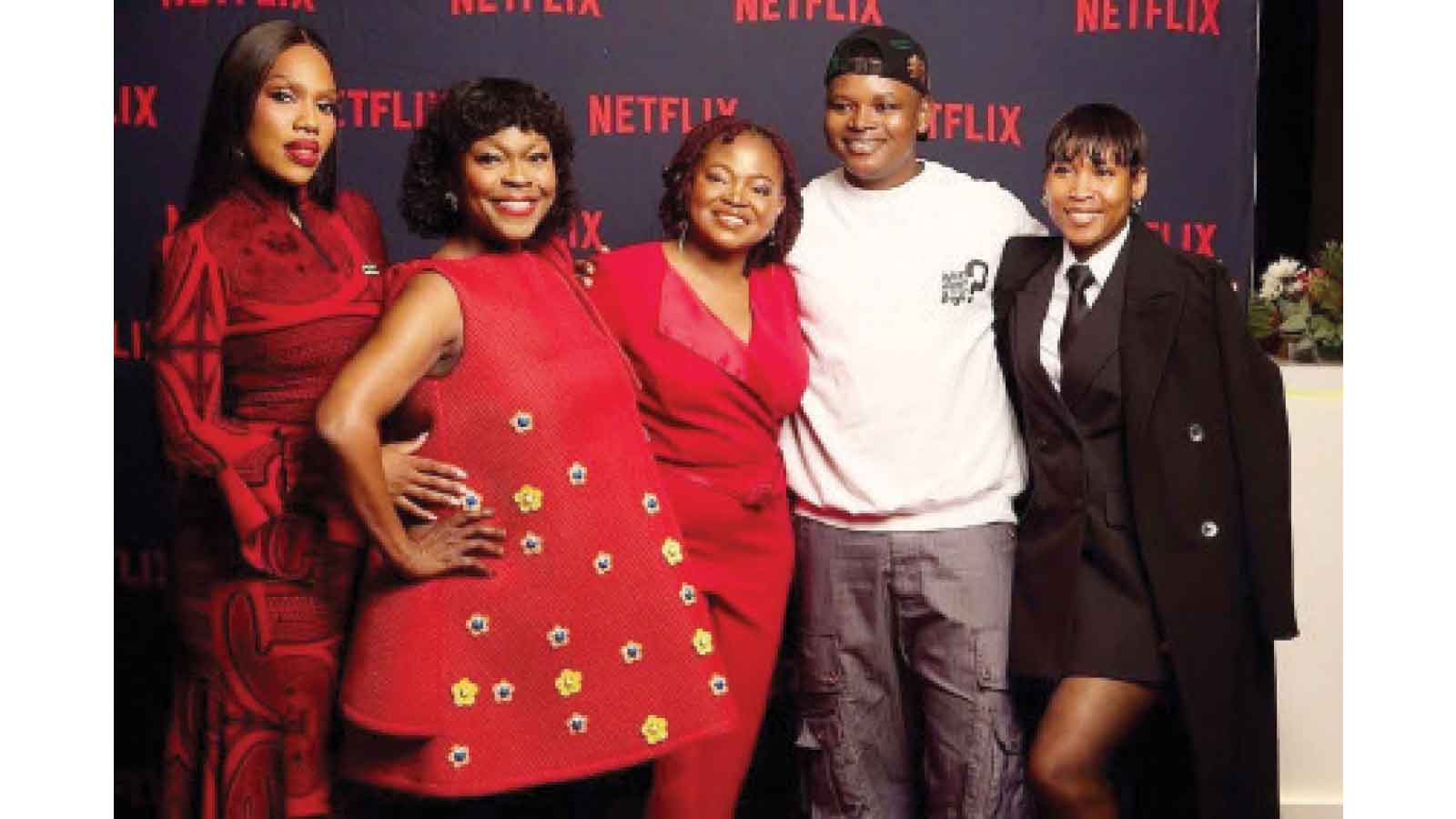
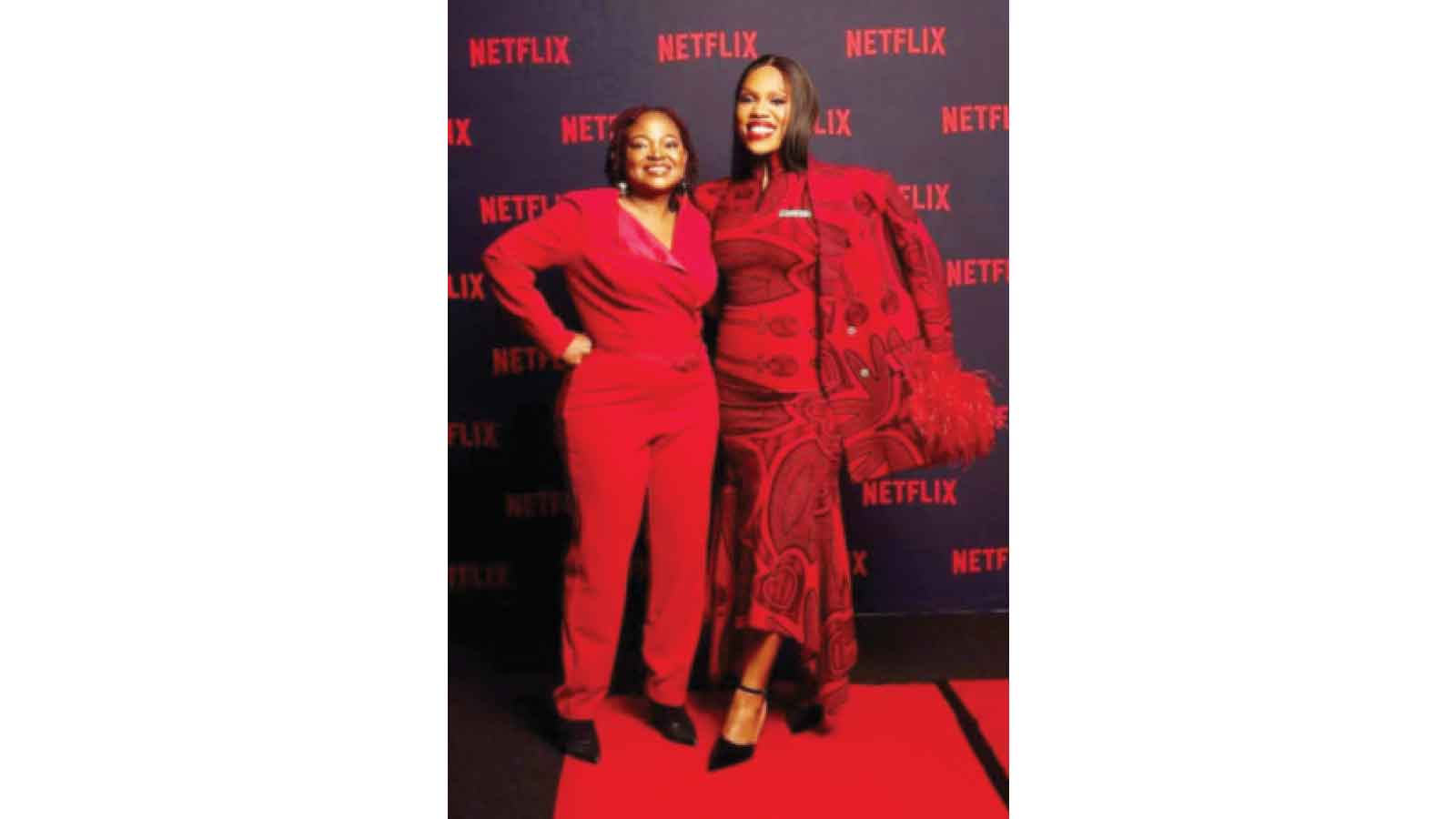
Since its June 12 debut on Netflix, the adaptation of Bulawayo-born author Sue Nyathi’s best-selling novel has sparked intense debate across social media, family gatherings and workplace conversations.

The Polygamist is a gripping story about Jonasi Gomora (played by S’dumo Mtshali), a wealthy self-made banker whose picture-perfect life slowly unravels.
His hidden, chaotic personal life – juggling a pampered first wife, a secret second wife, a glamorous mistress and a girlfriend – eventually collapses into betrayal, jealousy and scandal.
Joyce Gomora, played by Gugu Gumede, struggles with the emotional burden of sharing her husband, Jonasi, while Matipa, portrayed by Kwanele Mthethwa, becomes part of a complicated dynamic marked by rivalry, mistrust and heartbreak.

While viewers have praised the series’ compelling storytelling and memorable characters, the production has also reopened a long-standing discussion about polygamy and its place in modern African society.
For many viewers, particularly women, the show has reinforced concerns about plural marriages, highlighting themes of betrayal, secrecy, jealousy and emotional pain. Yet cultural historian Arnold Mayibongwe Nkala believes the conversation cannot be fully understood without examining the cultural institution that inspired it.
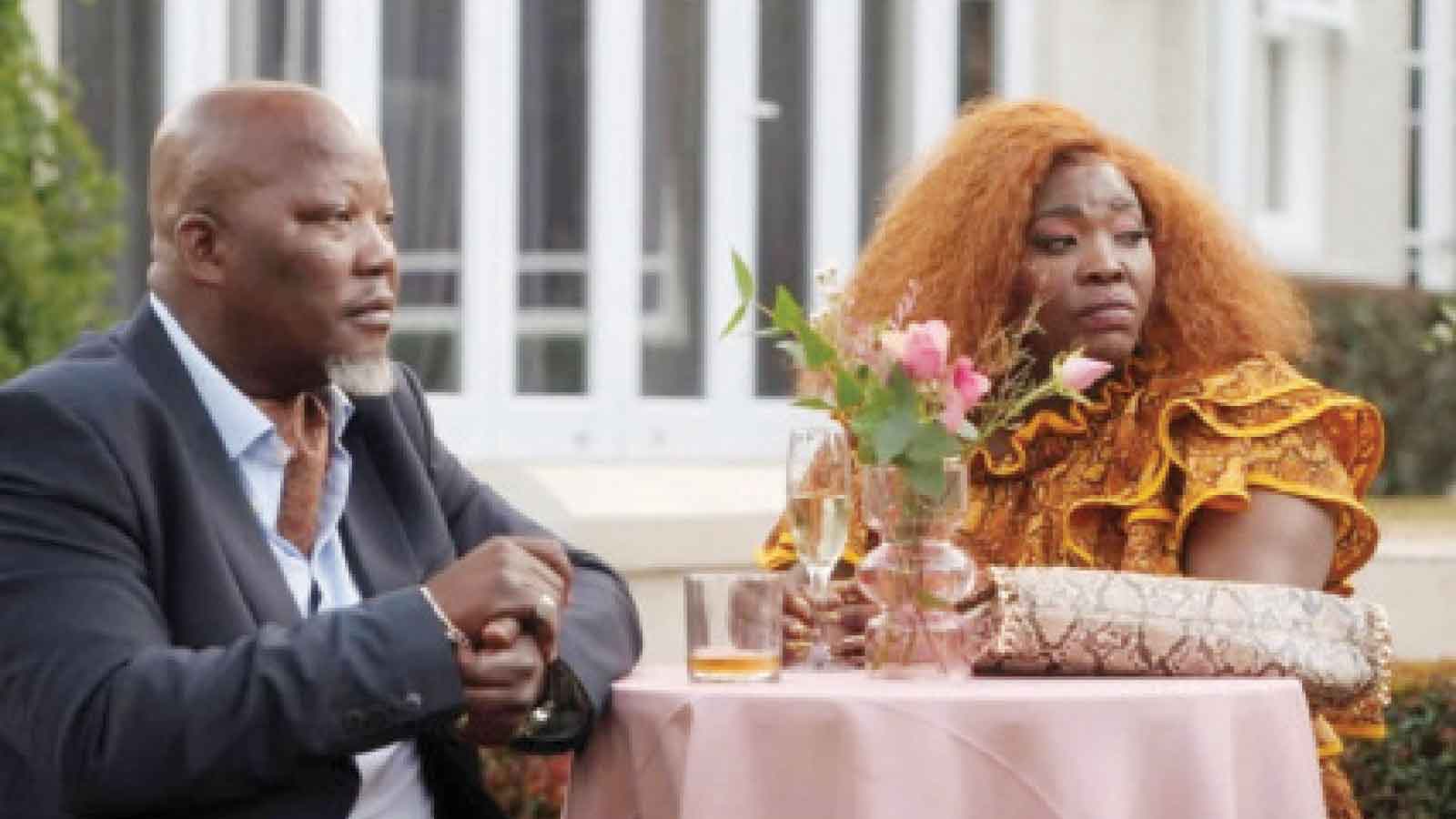
To many viewers, the series paints a troubling picture of plural marriage. But Nkala argues that what is portrayed on screen differs significantly from the traditional Ndebele institution known as Isithembo. He explains that many people use the term polygamy loosely, often without understanding its cultural meaning.

“Polygamy refers to a marriage system where a person has more than one spouse, while polygyny specifically describes a man having multiple wives. In IsiNdebele culture, the practice is known as Isithembo,” said Nkala.
According to Nkala, Isithembo was never designed as a licence for male privilege or unchecked authority. Instead, it emerged as a social response to historical realities faced by communities. During periods of conflict and warfare, many Ndebele men lost their lives, creating an imbalance between the number of men and women within society.
“To ensure that women still had opportunities to marry and progress through important stages of life, men were allowed to marry more than one wife. The most important aspect in Ndebele society was sustainability and continuity of the community.
“Isithembo was meant to ensure that women were not left without families because of the shortage of men,” said Nkala.
Perhaps the biggest difference between traditional Isithembo and the relationships portrayed in The Polygamist lies in the role of women.
While Jonasi’s relationships unfold largely through secrecy and deception, Nkala says traditional Isithembo places significant authority in the hands of the first wife.
Far from being sidelined, she is expected to be central to the decision-making process.
“The custodian and gatekeeper of Isithembo is the woman. She has to give permission, and the husband must provide valid reasons showing how the marriage will be strengthened,” said Nkala.
This reality stands in stark contrast to Joyce Gomora’s experience in the series, where trust steadily erodes as her husband’s relationships multiply without transparency or mutual agreement. The result is a household consumed by emotional turmoil, fractured relationships and constant competition.
Nkala believes that much of the criticism levelled against Isithembo today stems from the way some men invoke culture to justify behaviour that traditional systems never endorsed.
“Isithembo does not involve cheating or unfaithfulness. When implemented properly, it strengthens marriage rather than destroying it. The institution is governed by strict rules and responsibilities and that conflict becomes inevitable when those principles are ignored,” said Nkala.
His observations raise a broader question about culture in contemporary society: Are traditions being practiced as they were originally intended or are they being selectively interpreted to suit modern desires?
As The Polygamist continues to dominate conversations across Africa and beyond, it has become more than a television drama. It has evolved into a cultural mirror, forcing audiences to confront difficult questions about marriage, gender roles, tradition and accountability.
Whether viewers see Jonasi Gomora as a cautionary tale, a reflection of reality or simply a fictional character, one thing is clear – the debate he has ignited extends far beyond the screen. At the centre of that debate remains an important distinction, the difference between a cultural institution built on collective responsibility and personal conduct carried out in its name.