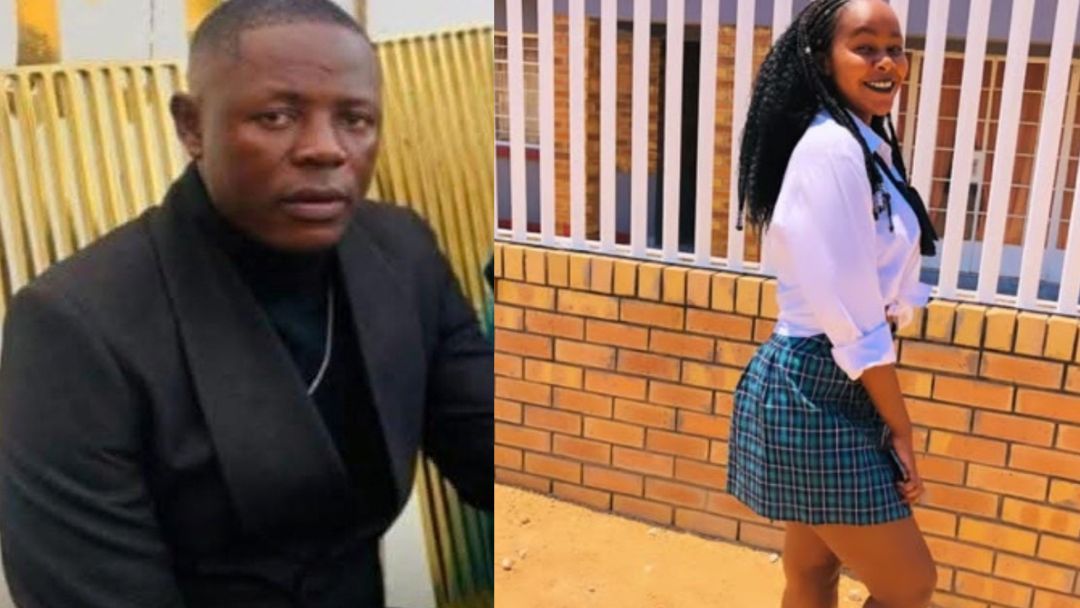
THE murder of Lisedi Nkomo by her ex-husband, Godknows Muleya, followed by his own death, is yet another deeply disturbing tragedy.
Such incidents remind us of the devastating consequences of domestic violence, possessiveness and the failure to resolve relationship disputes peacefully. Above all, they highlight the urgent need for our society to reject violence as a response to heartbreak, separation or personal disappointment.
There can be no justification for taking another person’s life because a relationship has ended.
Every individual has the right to choose whether to remain in a relationship, and that decision must be respected, even when it causes emotional pain. An ex-partner is not property and separation does not give anyone the authority to control, threaten or punish another person.
Muleya’s actions represent a devastating violation of Nkomo’s right to life. Her life mattered, her future mattered, and her loved ones deserved the opportunity to continue sharing life with her. Whatever disagreements may have existed between the former couple, nothing could justify the loss of her life.
The subsequent death of Muleya should not distract from the gravity of his crime. A murder-suicide is not an act of love, a demonstration of heartbreak or a legitimate way of ending a troubled relationship.
It is a tragedy that leaves families shattered, children potentially traumatised and communities struggling to understand how a dispute could end so disastrously. Zimbabwe must stop treating violence between intimate partners as a private matter that outsiders should ignore until somebody dies. Threats, stalking, intimidation and persistent harassment after separation must be taken seriously.
Too often, warning signs are dismissed as ordinary relationship problems, yet these can sometimes escalate into dangerous situations.
Families, friends and neighbours have an important role to play.
When someone threatens an ex-partner or repeatedly expresses intentions to cause harm, those warnings should not be brushed aside.
People at risk should be supported in seeking assistance from the police, trusted relatives, legal professionals and organisations that help survivors of domestic abuse.
Authorities must also continue strengthening public awareness about domestic violence and improving responses to reports of threats and abuse. Police officers should handle such complaints seriously, while communities should be educated about the importance of safety planning, protective measures and early intervention.
People experiencing overwhelming emotional distress should be encouraged to seek professional counselling before their pain develops into dangerous behaviour.
Men, in particular, must understand that rejection is not humiliation and separation is not a licence for revenge. Emotional pain is real, but it does not excuse violence.
Respecting a former partner’s independence is a basic responsibility, not a favour that depends on whether the relationship ended amicably.
Equally, society must challenge harmful attitudes that portray women as possessions or suggest that a man has the right to decide whether a former partner may move on with her life. Such beliefs have no place in a society that values human dignity and equality.
The deaths of Nkomo and Muleya should prompt serious reflection, but reflection must lead to action.