Online Reporter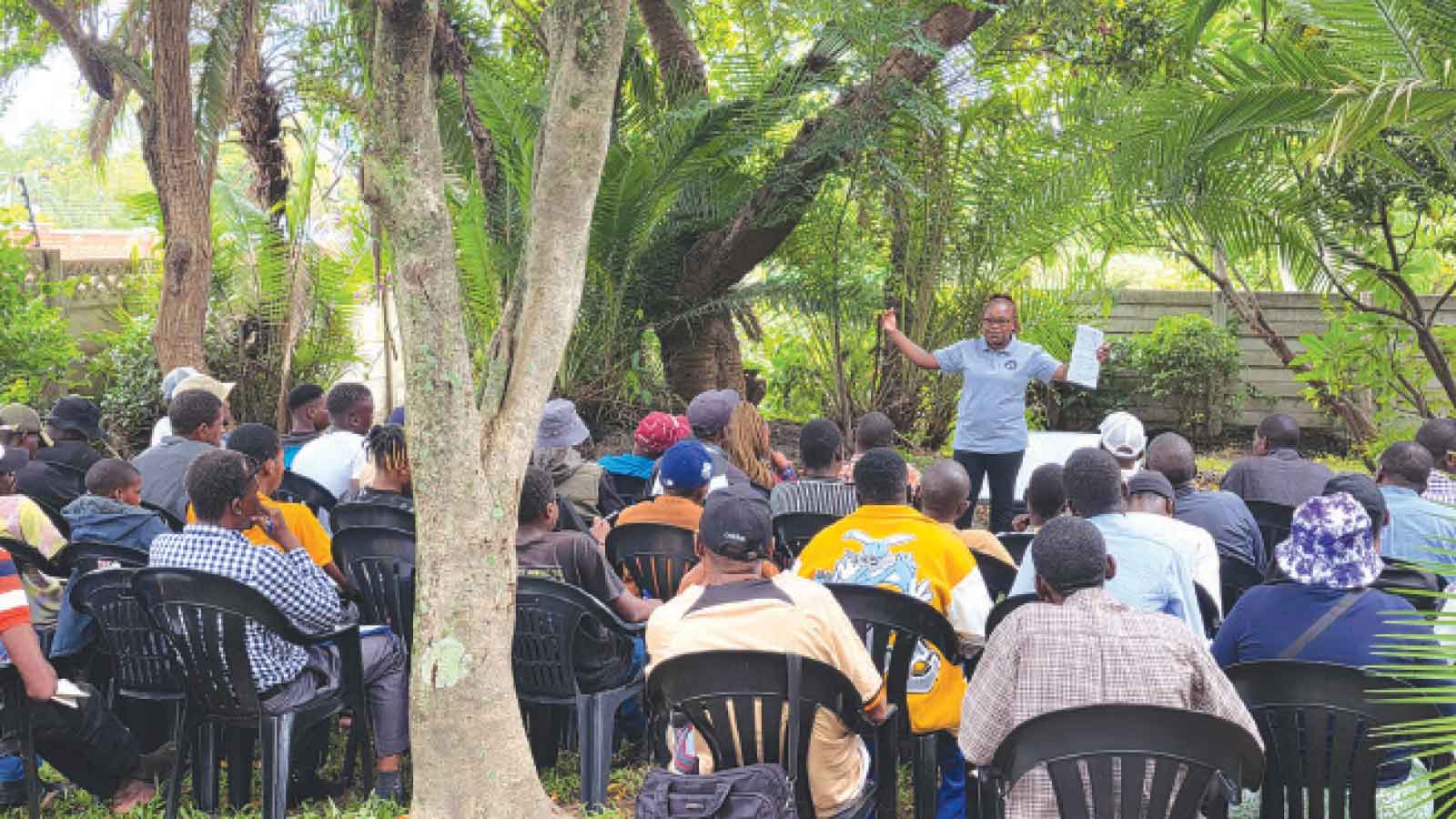
Youth Interactive Writer
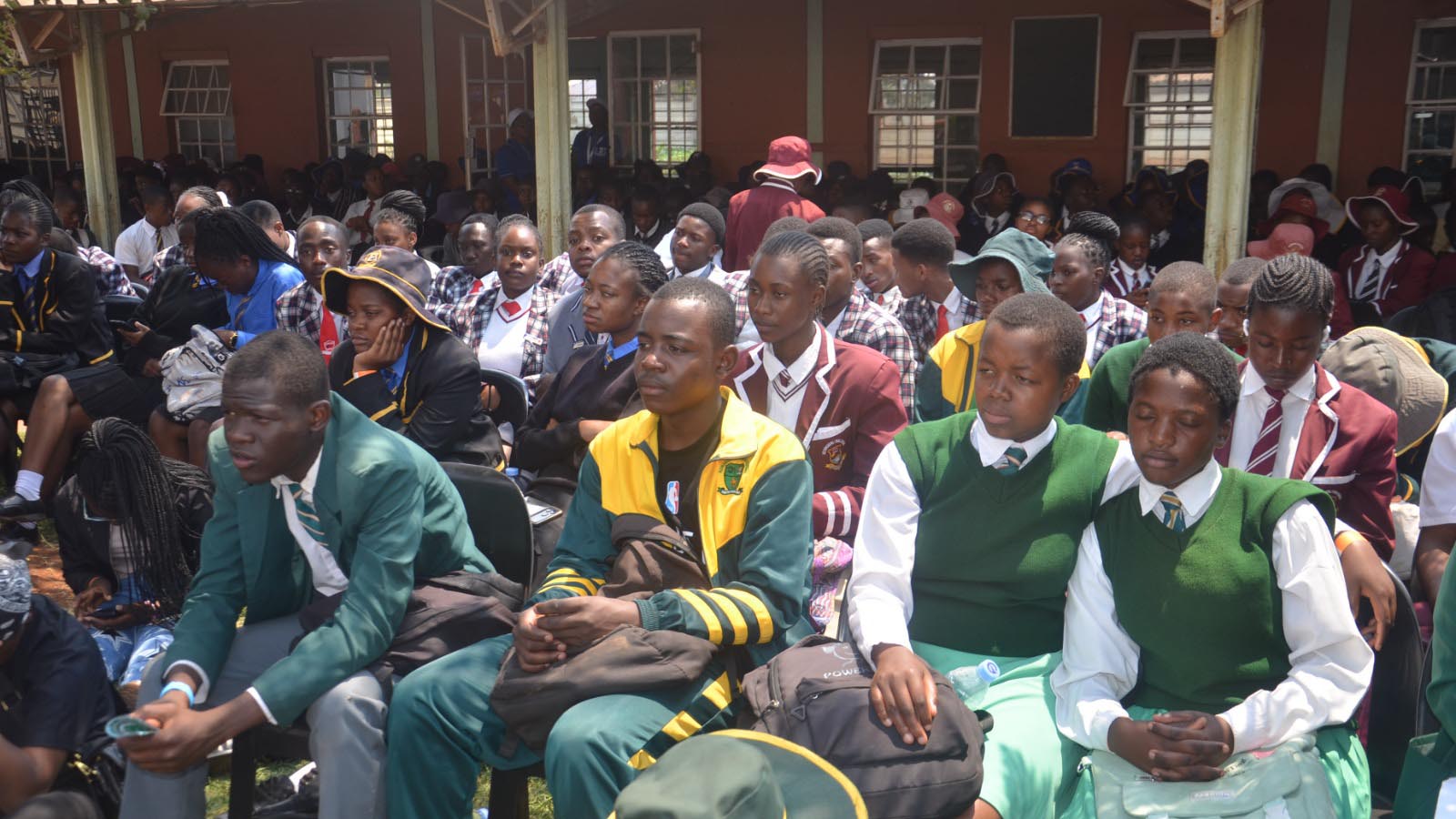
THE IYF Free Weekend Academy successfully launched the first classes of its Season 3 programme in Harare on February 7, drawing significant interest from the local community.
More than 800 participants from diverse backgrounds have enrolled this season, registering for 13 different subjects that span language education, technical skills and personal development. Many participants expressed surprise at the high standard of instruction, as well as at the fact that the programme is offered entirely free of charge.
Designed as an open-access community education initiative, the academy aims to provide practical and relevant learning opportunities beyond the formal education system. The Season 3 curriculum continues this approach by combining skills-based training with character development, equipping participants with knowledge that can be applied directly to everyday life.
An academy representative noted that the coming three-month programme is expected to bring meaningful change not only to individuals, but also to the wider community.
“We firmly believe that as participants acquire new skills and knowledge, these experiences will translate into positive personal growth and contribute to the long-term development of the community,” the representative said. Through its ongoing commitment to inclusive and practical education, the IYF Free Weekend Academy continues to establish itself as a sustainable platform for lifelong learning and community empowerment in Harare.
However, the youth academies are vital to society as they foster personal, social, and professional growth, equipping young individuals with leadership skills, confidence, and civic responsibility. They provide structured, informal education and networking, nurturing active, motivated citizens who drive community development, innovation, and positive change.
Key roles of youth academies in society include:
Skill Development and Empowerment: These academies offer training in essential life skills, including leadership, teamwork, and communication. They boost self-esteem, self-efficacy, and academic achievement.
Active Citizenship and Social Impact: Academies empower youth to participate in community affairs, promoting positive civic action, social justice, and engagement in policy-making. They foster a sense of responsibility and help young people address social issues.
Networking and Social Connections: Participants gain opportunities to build valuable relationships with peers and mentors, expanding their social networks.
Innovation and Fresh Perspectives: Youth academies nurture creativity, enabling young people to introduce new ideas and trends to society.
Support and Safety: They address the needs of adolescents by providing a safe, constructive environment that keeps them engaged and reduces risk-taking behaviours.