admin
admin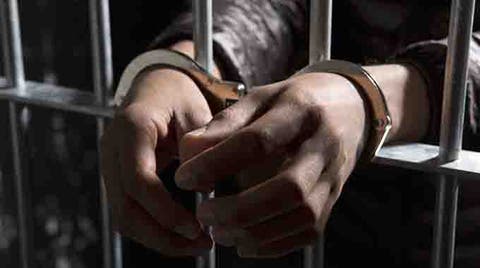
Gibson Nyikadzino Correspondent
The three-year jail term imposed last Friday on United Kingdom-based CCC activist William Chinyanga vindicates the Zanu-PF Government’s position that the opposition outfit does not believe in political ideas as a substitute to violence and threats of terrorism.
Chinyanga was convicted on his own plea in November at the Kingston Crown Court for “encouraging terrorism” and the unconstitutional overthrow of the Zimbabwean Government.
His sentencing comes at a time nation-states are working to ensure global peace and security through combating terrorism and also indicates the universality of justice despite having committed the offence in a different jurisdiction.
In one of his videos in December 2019 posted over two days to 7 000 followers, Chinyanga urged people to wantonly bomb critical infrastructure and State property so that Zimbabwe goes under a national “shutdown”.
Said Chinyanga: “The operation must be at night, bomb any petrol station you come across. Put fire on any police vehicle you come across. Beat any police you see in your streets. Let them sit or live in their barracks and not mix with you civilians. Beat him (sic) hard.
“Tonight I am going to hear Zimbabwe (sic) have bombed five petrol stations whether its owned by Chigumba, whether its owned by Ndangunu, whether its owned by Gazagunu, just bomb that business. Bomb all petrol stations. Let the country be at a shutdown. Bomb all the tankers of petrol.”
According to Article 8 (2)(a)(iv) of the Rome Statute of the International Criminal Court, calls by Chinyanga constitute war crimes as defined and referred to in the Geneva Conventions to include the “extensive destruction and appropriation of property, not justified by military necessity and carried out unlawfully and wantonly”.
The UK Counter Terrorism Internet Referral Unit said Chinyanga violated the Terrorism Act and the Commander of the Met’s Counter Terrorism Command Richard Smith said “Chinyanga sought to reach as wide an audience as possible when he took to social media to encourage violent action against the current government in his native Zimbabwe. Dangerous rhetoric of this nature can and does have harmful real-world consequences.”
CCC members over the weekend took to social media and condemned their leader Mr Nelson Chamisa for not showing sympathy to Chinyanga and his family, blaming the CCC for “disowning its member”.
Some members also questioned the CCC of failing to crowd-fund for Chinyanga’s legal costs as has been done for CCC interim deputy chairperson Mr Job Sikhala who is in custody for inciting violence.
This is not the first time Mr Chamisa has disowned people who execute acts of inciting violence that have become synonymous with the CCC “ideology”.
In 2018 he labelled his supporters “stupid” after they protested the election results which Mr Chamisa claimed to have won without providing evidence.
In June Mr Chamisa also disowned Mr Sikhala after the latter incited violence in Nyatsime leading to the destruction of property belonging to Zanu-PF supporters. He said in a Tweet: “We are a peaceful citizen’s movement. We believe in non-violence. Those among us who acted on their own accord in Nyatsime should submit themselves before our laws. That is not the citizens’ way.”
Before inciting public violence in Nyatsime, Mr Sikhala had in May 2020 told journalists that he was not in the business of issuing “empty threats” and bragged that he would cause “pandemonium” in the country.
“Even today, if I want to call pandemonium in the country, I know what will happen. Give us time. Do not rush us. That hour will come. You have been pleading it for a long time, we are now going to give you,” he told journalists in Harare.
As part of its wing that institutes orders through sabotage, violence and provocative strategies, the CCC has the Citizens’ Defenders, a group similar to its forerunners, the MDC’s Democratic Resistance Committees (DRC) and the MDC-Ts. The Citizens’ Defenders is also seeking to provoke national peace through its “faka pressure” and “kudira jecha” sabotage strategies.
This has vindicated government’s calls for calm while encouraging political contests to be a battle of ideas, opposed to violence.
Since the inception of the Second Republic, President Mnangagwa is on record denouncing violence, saying while it is everyone’s right to protest, any demonstration should be done peacefully and within the law.



 Online Reporter