Online Reporter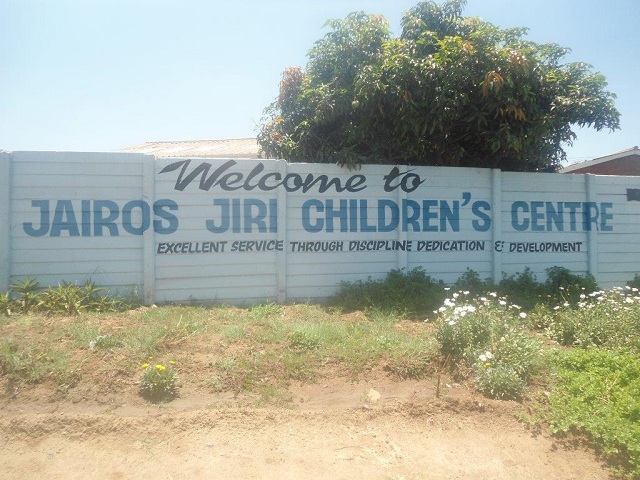
JAIROSI Jiri is one of the more than 30 Zimbabwean luminaries accorded national heroes status but not buried at the National Heroes Acre in Harare.
According to the National Museums and Monuments of Zimbabwe (NMMZ), there are 34 national heroes, both freedom fighters and non-freedom fighters, who are not buried at the National Heroes Acre as per family wishes while some struggle icons such as Reverend Ndabaningi Sithole and James Chikerema were posthumously conferred national hero status.
The NMMZ says more posthumous declarations are likely in the future.
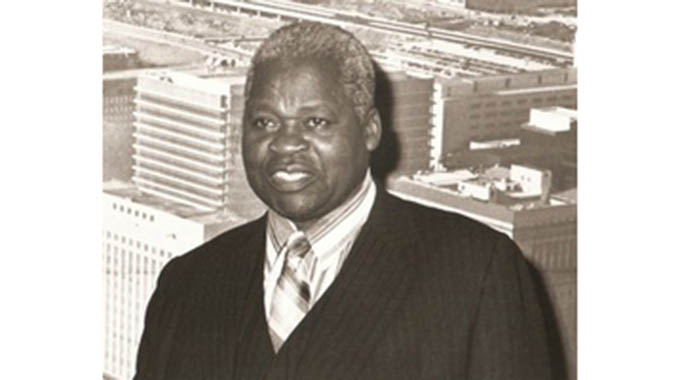
Jiri died in 1982 and was declared a national hero in recognition of his outstanding philanthropic work but opted to be buried in his home village in Bikita instead of at the National Heroes Acre in Harare. Other non-freedom fighter national heroes who are not buried at the national shrine include revered musician and cultural ambassador Oliver Mtukudzi.
Jiri was born in 1921, in the quiet village of Mutenyami in Bikita, Masvingo.
The son of Chief Mutenyami Jiri and his senior wife Marufu, he came into a world shaped by tradition, poverty, and the oppressive arm of colonial Rhodesia.
Though his lineage granted him a sense of place and identity, it gave him little in the way of material comfort.
Like many children of his generation, Jairos faced a life that offered few guarantees.
He yearned for an education but had no means to secure it, so he began selling chickens, eggs and vegetables just to afford the chance to step into a classroom.
When he finally enrolled at Gokomere Mission School at the age of 12, he moved swiftly through the grades, but illness would soon drag him back home, cutting short the formal learning he had worked so hard to obtain.
Yet what he lost in institutional schooling, he made up for in humility, observation and faith. He was profoundly influenced by the African ethic of hunhu/ubuntu, of human interconnectedness and mutual care.
From early on, Jairos was not one to look away from suffering.
His path to greatness was marked not by ambition, but by compassion so relentless it seemed to come from another world.
At 18 years old, he left Bikita, walking to Bulawayo with his half-brother and everything they owned bundled in a sleeping mat.
He found work as a domestic helper and gardener in the white suburbs of the city. The job was hard and menial, but it gave him access to the city and its people. It was on those bustling, dust-choked streets that he first encountered what would become his life’s calling — the forgotten, the disabled, the unloved.
They were children and adults, barefoot and blind, crippled and discarded by a society that saw no value in them. In one unforgettable moment, he found a young blind boy struggling to navigate the city. With no one else willing to help, Jiri helped him.
He didn’t do it for thanks. He did it because no one else would. And he did it again, and again.
For Jiri, helping one person was never enough. He believed the solution to then Rhodesia’s neglected had to be organised, dignified and permanent.
He had seen black people take care of each other in the absence of State support. Inspired by African customs, he imagined something bigger than himself, a sanctuary for the disabled, built by Zimbabweans, for Zimbabweans, long before independence made such ideas fashionable or fundable.
In 1950, with quiet resolve and little more than a dream, he opened the first workshop in Makokoba. This humble place, just a few rooms where people could learn to sew, carve and make pottery, would become the seed of something extraordinary.
He named it the Bulawayo and Bikita Physically Defective Society, later to become the Jairos Jiri Association.
At a time when black-led initiatives were often treated with suspicion or outright disdain by colonial authorities, Jiri’s vision stood out for its clarity and integrity. He asked for neither permission nor pity; he simply did the work.
By 1959, with support from the Bulawayo City Council, international donors, and sympathetic leaders like Joshua Nkomo and Benjamin Burombo, the Association built a large training and rehabilitation centre in Nguboyenja. It offered orthopaedic care, vocational training and shelter.
It housed deaf and blind students. It taught dignity and self-sufficiency.
Jiri’s philosophy was not about giving charity but about creating capability.
The disabled would not be passive recipients of aid, they would become artistes, builders and musicians.
His centres became spaces of creativity, healing and community.
Through his travels to the UK, the US and Italy, Jiri showcased Zimbabwean talent. His craft shops sold carvings and handmade goods from Victoria Falls to London.
His disabled musicians, including the gifted Paul Matavire, electrified audiences with music that sang not of despair but of defiance. His work earned him the admiration of royalty and revolutionaries alike.
Queen Elizabeth II appointed him Member of the British Empire.
Pope Paul VI invited him to Rome.
Cities around the world made him a freeman.
Yet his greatest pride remained his work on the ground, in the hands of a girl who learned to weave despite her blindness, in the laughter of children once shut away from the world.
Despite all this acclaim, Jiri remained rooted. When he died in November 1982 at the age of 61, the Government offered him a burial at the National Heroes Acre in Harare, but his family preferred that his resting place be in his beloved Mutenyami, among the people whose lives he had never stopped caring about.
At his tombstone unveiling in 1984, Deputy Prime Minister Simon Muzenda stood in silent respect, not for a politician or soldier, but for a man who had taught the country something far rarer — how to be human.
“The late Jairos Jiri will go down in history as a striking example of national service and unity, a selfless dedication to the family of the less fortunate, commendable foresight and unyielding determination to serve the cause for justice for all and promote the welfare of the needy in society in the face of great odds,” said Cde Muzenda.
“He gave the disabled hope and useful role to play as equals, contributing as productive members of society.”
Jiri left behind 16 centres across Zimbabwe, each offering training, education and medical care to thousands. But more than buildings, he left behind a philosophy of hunhu/ubuntu — observe your environment, provide what you can, encourage others, seek help and sustain your efforts.
It was not a Government programme or a donor blueprint.
It was African.
It was ours.
Today, those same centres still hum with life. Some have greenhouses where disabled youth grow hydroponic vegetables.
Others make peanut butter, dry tomatoes in solar ovens and press oil from groundnuts; all learned trades that feed families and fuel futures.
New murals brighten the walls. Old craft shops still sell to tourists. The spirit lives on.
The challenge is not to preserve Jiri’s memory in statues or titles but to live out his ethic, daily, in the way we treat our disabled, our marginalised, our poor.
Jiri was more than a philanthropist.
He was a nationalist in the truest sense, a man who saw disabled people not as a burden but as citizens, artistes and teachers.
He built no political party, launched no campaign, and asked for no power. And yet he gave us something that endures: An image of what Zimbabwe could be, at its most compassionate and brave.
He did not wait for freedom to come before he acted.
He made freedom with his hands, his heart and his hope. He showed us that real development starts when we care enough to serve, when we build institutions rooted in our own values, and when we choose dignity over charity.
Jiri didn’t just help the disabled, he redefined what it means to be whole.
Let us remember him not just in commemorations or headlines, but in the quiet, daily work of rebuilding a country that serves all its people.
Let us remember him when we pass a disabled child in the street.
Let us remember him when we choose to act instead of turning away. For in every act of dignity, Jairos Jiri lives on. — The Patriot/Herald Reporter