


 Online Reporter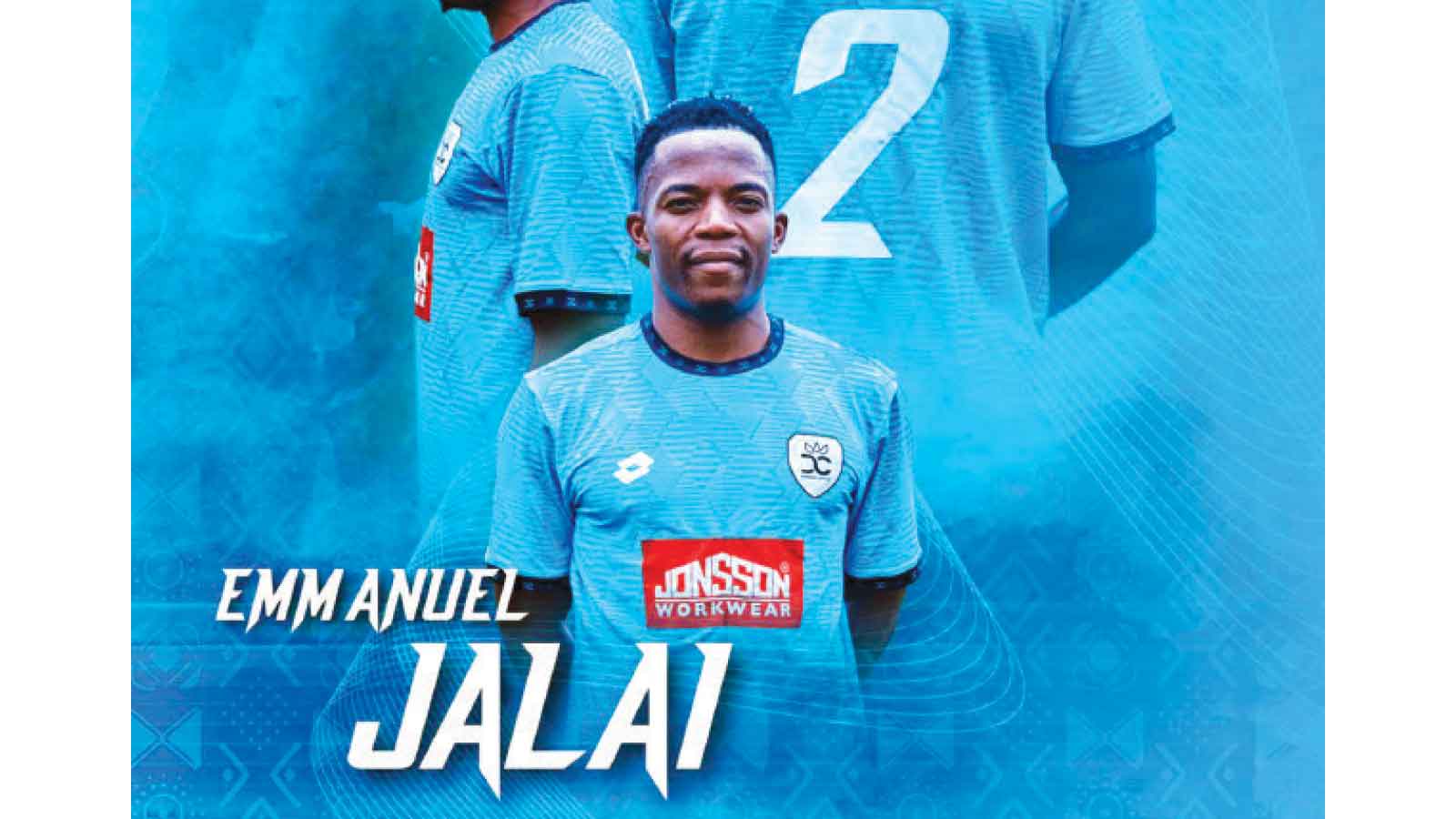
Blessing Malinganiza-Zimpapers Sports Hub
RUFARO Stadium was already on edge when Emmanuel Jalai did something that didn’t feel like football logic.
Dynamos and Highlanders were locked in their usual trench fight, the kind of match where every touch is a message and every whistle can start an argument.
Then, out of a moment of confusion near the centre circle, Jalai saw a gap that only a captain with a calm head would trust.
Highlanders thought they had won a free kick on the left side. Bodies slowed, waiting for the referee’s whistle. But the whistle never came. The game was still alive.
Jalai received a pass from Vusa Ngwenya, took it down with his left, and without hesitation struck it clean with his right.
The ball rose and travelled like it had been launched with anger, flying over Ariel Sibanda before the goalkeeper could fully set himself.
One second the match was tight and tense. The next, Dynamos were running to the corner flag and Rufaro was roaring like it had been waiting all season for a moment to explode.
That semi final ended 1-1, dragged into penalties, and Dynamos came through 5-3 in the shootout to book a place in the Chibuku Super Cup final.
Long after the scoreboard, people remembered Jalai’s performance, not just the strike, but the way he carried himself through the chaos. After the match, Dynamos coach Kelvin Kaindu didn’t hide his admiration.
He called Jalai the best right back in the country. In Zimbabwean football, praise like that isn’t handed out for politeness. It’s earned through seasons of noise, doubt, and pressure that doesn’t let you breathe.
Jalai lived inside that pressure for six years, becoming one of Dynamos’ most trusted figures and, eventually, their captain.
Now he has left Harare, left the blue jersey that made him a household name, and walked into a new life with Durban City in South Africa.
Dynamos supporters have seen players come and go, but Jalai’s departure lands differently. He wasn’t passing through. He stayed long enough to become part of the club’s identity, the kind of player the terraces claim as their own. The ones who celebrate like supporters, suffer like supporters, and look personally offended when the team concedes.
When he speaks about his Dynamos journey, he doesn’t start with contracts or farewells. He goes back to the beginning, to the first time the club truly became his home.
“My first game against Mushowani at Rufaro and making and breaking history by winning Chibuku cup three consecutive times will forever be my major takeaways with the club,” Jalai said.
Jalai arrived at Dynamos in 2019 without the guarantee of stardom. He wasn’t the biggest defender in the league.
He didn’t come with the aura of someone already protected by reputation. He had to wait, work, and prove himself in a club where patience is rarely offered.
In those early days, there were doubters. Some questioned whether he had the physical edge for the demands of a giant club.
Others wondered if he would last through the pressure that eats players alive at Rufaro. Dynamos is not a gentle place to learn. It expects you to be ready, even when you’re still figuring yourself out.
But Jalai’s story is not about arriving and immediately being loved. It’s about staying long enough to be understood.
He kept showing up, season after season, building a career out of consistency.
Not the kind that makes headlines every weekend, but the kind coaches trust when the fixtures tighten and the legs get heavy. Eventually, he became the longest serving player in the squad. Then the armband came, not as a reward, but as recognition of who he had become.
Those close to him will tell you his strength wasn’t only tactical. It was personal.
Jalai is a man of deep faith, the kind who carries his beliefs into the rhythm of daily life. He doesn’t treat prayer as a superstition for matchday luck. It is part of his discipline.
He has played games while fasting, and he has walked into hostile atmospheres with the calm of someone who believes he is not alone.
Last season tested Dynamos in ways that demanded more grit than glamour.
They won the Chibuku Super Cup again, a trophy that has become part of Jalai’s story, and they fought off relegation danger, the kind of threat that creeps closer until it’s sitting right beside you. Supporters saw Jalai cry after a big win, tears that didn’t look rehearsed. In that moment he wasn’t acting like a professional athlete trained to keep emotions in check.
He looked like someone who had carried too much for too long and finally felt the weight lift, even if only for a night.
So why leave when you’ve become a club symbol? The answer is simple, and it’s the kind of simple that changes lives. Durban City offered Jalai a deal he couldn’t refuse. He will earn more than five times what he was getting at Dynamos.
He also received a signing bonus that makes the move bigger than football, because it secures his future and his family’s future in a way local football rarely can.
And beyond the money, Jalai wanted the challenge. After giving everything to Dynamos, he wanted to test himself in a tougher league, against faster opponents, in stadiums where the standards don’t bend.
“I think the right dancer knows when to leave the stage, it has always been my goal to play and get an offer abroad so when it came I didn’t have two minds. New chapter but same hunger and goals for success,” he said.
Durban City had chased him for years, and that pursuit mattered. Players can tell when a club truly wants them, not just for a short term fix, but as part of a plan.
For Jalai, it felt like the right move at the right time.
He is joining a club with ambition, and he speaks like someone who understands he has to earn his place all over again.
In South Africa, reputations from home don’t protect you. You have to show your level quickly, because the league is ruthless with hesitation.



 Bongani Ndlovu
Did Jalai join Arsenal? For God’s sake please keep this hype to logical level. The player didn’t even join a major team. Let’s not reduce ourselves to football novices. Going to play in South Africa is no big deal particularly for the bottom rank teams. We sound so desperate but if Peter Ndlovu or Khama Billiat can move from that league back to the PSL, surely there is nothing jaw dropping about going across the Limpopo. People write glossy stories about such moves? Let Jalai move to Egypt’s Al-Ahli then you can write.