Online Reporter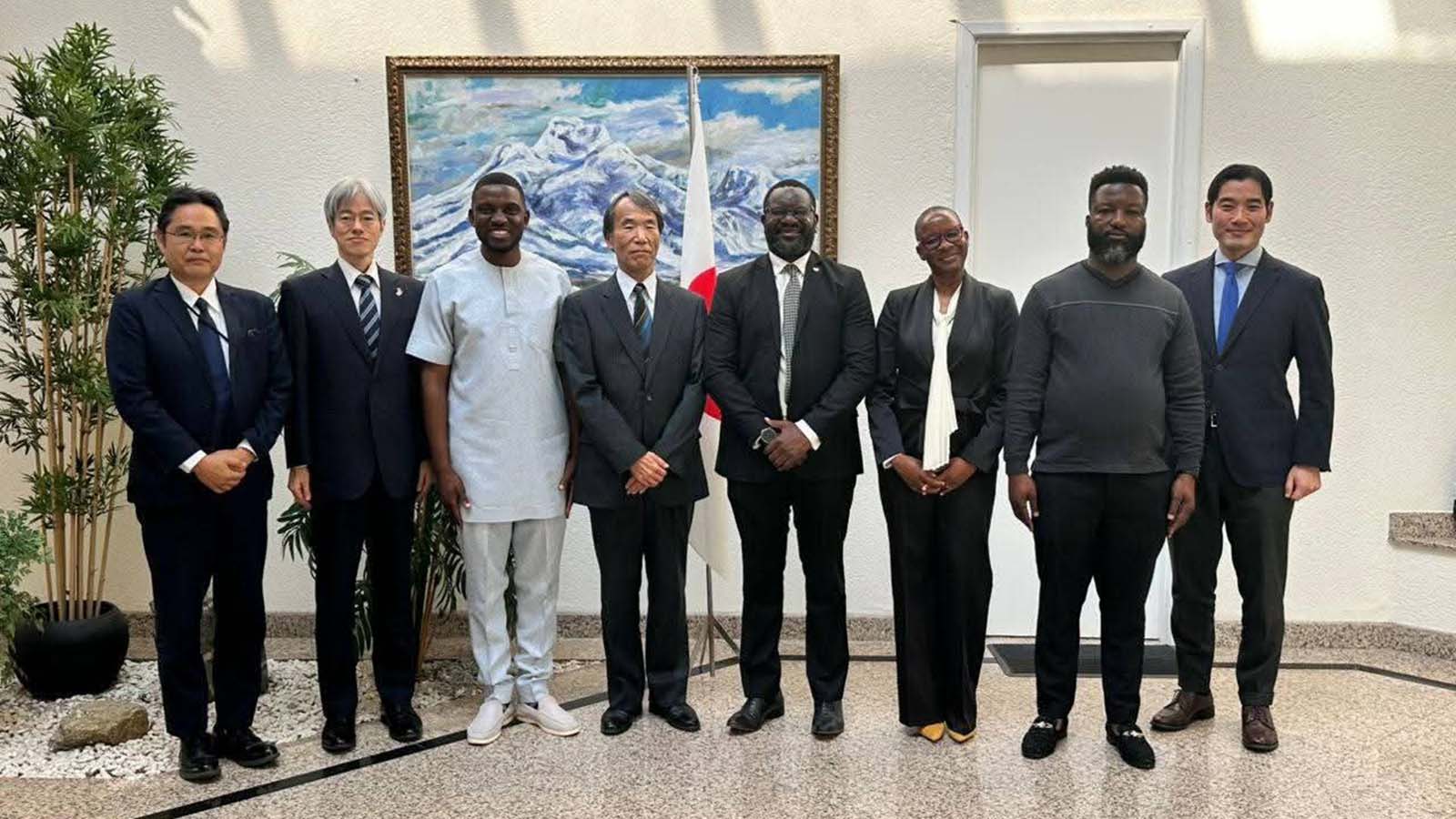
Ivan Zhakata
Herald Correspondent
JAPAN is keen to deepen economic cooperation with Zimbabwe, particularly in industrialisation and technology transfer, as the country moves towards achieving its Vision 2030 targets.
The issue was discussed last week when Japanese Ambassador to Zimbabwe Mr Nobutaka Maekawa hosted a working business lunch for prominent Zimbabwean entrepreneurs and Japanese diplomats at his residence.
The engagement focused on Zimbabwe-Japan bilateral relations and practical measures that could strengthen economic cooperation between the two countries.
Among the Zimbabwean business leaders who attended were Mwana Group founder and chief executive officer (CEO) Mr Kuda Mutenda, Glytine Foods founder and CEO Mr Leslie Marange, Enford Technology founder and CEO Mr Enford Tazviguta and Tsimba Development founder and CEO Mrs Vongai Mutenda.
Mr Mutenda said Japanese diplomats wanted to establish how Japan could do more to support Zimbabwe’s industrialisation agenda and attainment of upper-middle-income status.
“The most repeated question from the Japanese Ambassador and other Japanese diplomats who attended the working lunch was, ‘how can Japan do more to help Zimbabwe industrialise and push towards becoming an Upper Middle Income Country’,” he said.
He said the meeting generated a number of proposals which were now being developed into concrete initiatives.
“We are already working on the initiatives we discussed and will be announcing the action plans very soon,” said Mr Mutenda.
The meeting also explored the adoption of Japanese manufacturing practices and standards in Zimbabwe, including 5S, Kaizen, which promotes continuous improvement, and Just-in-Time (JIT) production.
Mr Marange and Mrs Ethel Mutenda led discussions on how Japanese manufacturing practices, culture and standards could be adopted in Zimbabwe and the wider African continent.
Mr Mutenda said the principles should be introduced through the education system and subsequently applied in workplaces.
“For Zimbabwe to follow the Japanese model, these concepts need to be adopted from as early as primary school all the way to university and including all workplaces,” he said.
Ambassador Maekawa also highlighted opportunities for technological partnerships, with several Japanese companies reportedly looking for technology exchange partners in Zimbabwe.
Mr Mutenda, who is chairman of the Japan-Zimbabwe Alumni Association, pledged to expand Japanese language and cultural lessons in Zimbabwe.
He said the free monthly programme, which currently has about 50 students, was targeting more than 1 000 students by December this year.
The engagement also explored the possibility of combining Japanese technological expertise with Zimbabwean manufacturing capacity to produce goods for regional and international markets.
Mr Mutenda proposed a model in which products would be “Designed and Tested in Japan, manufactured in Zimbabwe”, which he said could facilitate technology transfer while enabling Zimbabwe to manufacture high-quality products at competitive costs.
“This way, we can have high-tech quality products that can be cost-effectively mass manufactured in Zimbabwe,” he said.
The proposed areas of cooperation come as Zimbabwe continues to prioritise industrialisation, technology transfer, skills development and investment in pursuit of the country’s Vision 2030 objectives.
Mr Mutenda thanked Ambassador Maekawa for hosting the engagement and for his support for Zimbabwe’s people, culture and economic development.