admin
admin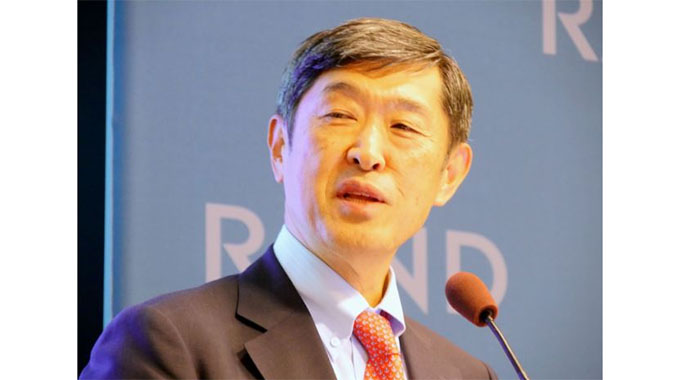
Herald Reporter
JAPAN is opposed to the use of sanctions in relations between nations, with the Asian country basing its relationships with other countries on equality and mutual respect, visiting Japanese development expert Dr Kitaoka Shinichi has said.
Dr Kitaoka, who is also an advisor to the president of the Japan International Co-operation Agency (JICA), said this while giving a public lecture at Parliament building in Mt Hampden yesterday.
Speaker of the National Assembly, Advocate Jacob Mudenda, Japanese Ambassador to Zimbabwe, Yamanaka Shinichi, JICA country representative, Mr Shigeki Furuta, the chairman of the Parliamentary Portfolio Committee on Foreign Affairs and International Trade, Cde Webster Shamu, parliamentarians from both the National Assembly and Senate and Parliament staff attended the lecture.
“Our approach is, you can notice it in our name, Japan International Co-operation Agency, unlike other countries (they call it) aid. In the United States, they call it aid or assistance but we took the approach of playing on an equal footing, we are equal.
“And we respect democracy to begin with, we don’t say “please do this, do that,” we respect democracy. And, we do not do ‘name and shame’ (on alleged lack of democracy) and in that respect we are opposed to sanctions from the international community to other countries.
“Certainly, we believe in democracy, we feel democracy is important, the rule of law is important but we do not want to impose democratic systems to them (developing African nations). Certainly, you know democracy means people participate, people raise their voices, it is important. But we should not impose the values of the West and their standards,” Dr Kitaoka said.
Western nations led by the US have imposed illegal unilateral sanctions on several countries they differ with as a tool to cause regime change and impose their beliefs on them.
Following Zimbabwe’s implementation of the successful land reform programme, Western nations imposed illegal sanctions on the country resulting in economic challenges that have negatively affected the general populace.
Dr Kitaoka said political stability was necessary for development.
“As you know stability in politics is important to support economic development,” he said.
Through JICA, Japan has constructed roads and support for small-scale farmers and the health sector among others.
In his remarks, Advocate Mudenda said JICA’s dedication to fostering sustainable development growth while cultivating partnerships based on shared values makes it an invaluable ally, not just for Zimbabwe, but for countless nations around the world.
“Since the early 1990s, JICA has been a steadfast partner in Zimbabwe’s development and continues to play a pivotal role in critical sectors such as infrastructure development, agriculture, health and education. JICA’s unwavering and inclusive development trajectory has left an indelible imprint on our national development agenda and elsewhere,” Adv Mudenda said.



 Online Reporter