admin
admin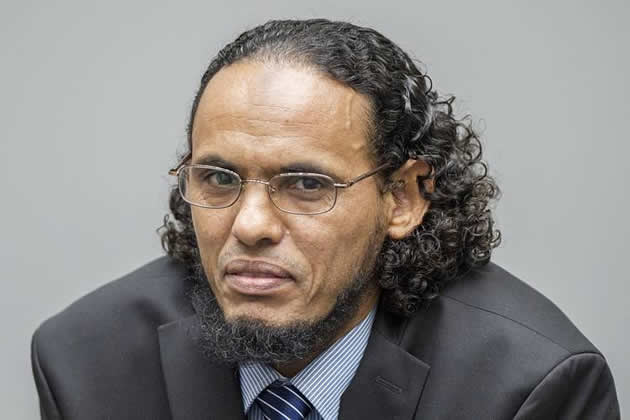
TIMBUKTU. — A Malian jihadist yesterday pleaded guilty to ordering attacks on historic sites in the Malian desert city of Timbuktu in 2012, in the first case of an Islamist facing international justice for cultural destruction.
Ahmad al-Faqi al-Mahdi, a Malian national aged around 40, is the first jihadist to face charges at The Hague-based International Criminal Court (ICC) for the destruction of cultural heritage sites.
Prosecutors allege that as a member of Ansar Dine — a Malian Islamist group with links to al Qaeda — al-Mahdi ordered the destruction of nine historic mausoleums and a mosque in Timbuktu in 2012, when militant groups seized control of northern Mali. At the hearing yesterday, al-Mahdi pleaded guilty to charges of deliberately attacking religious or historical monuments.
“Your honour, regrettably I have to say that what I heard so far is accurate and reflects the events. I plead guilty,” al-Mahdi told the ICC after the solo charge of cultural destruction was read to him.
The trial marks a legal milestone, which archaeologists hope will send a warning that the plundering and pillaging of the planet’s ancient artefacts and sites will not go unpunished.
The ground-breaking trial comes at a time of growing international alarm over the destruction of cultural heritage sites by jihadist groups across many parts of the world.
Wearing a dark suit and striped tie, al-Mahdi stood up in court while the charges were read Monday. He expressed regret over his “wrongful” acts and begged forgiveness from the people of Timbuktu.
“I seek their forgiveness and I ask them to look at me as a son who has lost his way,” he said, adding that he was also seeking forgiveness from “the ancestors of the mausoleums I have destroyed”.
At the start of the trial, prosecutors revealed that they had made a deal with the defence team to ask for a jail term of nine to 11 years. In return, al-Mahdi said he would not appeal.
The judges recognised this, but also warned al-Mahdi that they were not necessarily bound by the deal and he faced a maximum term of 20 years.
During his hearing, the defendant sought to distance himself from jihadists by describing their acts as “evil”.
He said he wanted to “give a piece of advice to all Muslims in the world – not to get involved in the same acts I got involved in because they are not going to lead to any good for humanity”. — France24/Agencies.


 Online Reporter