Online Reporter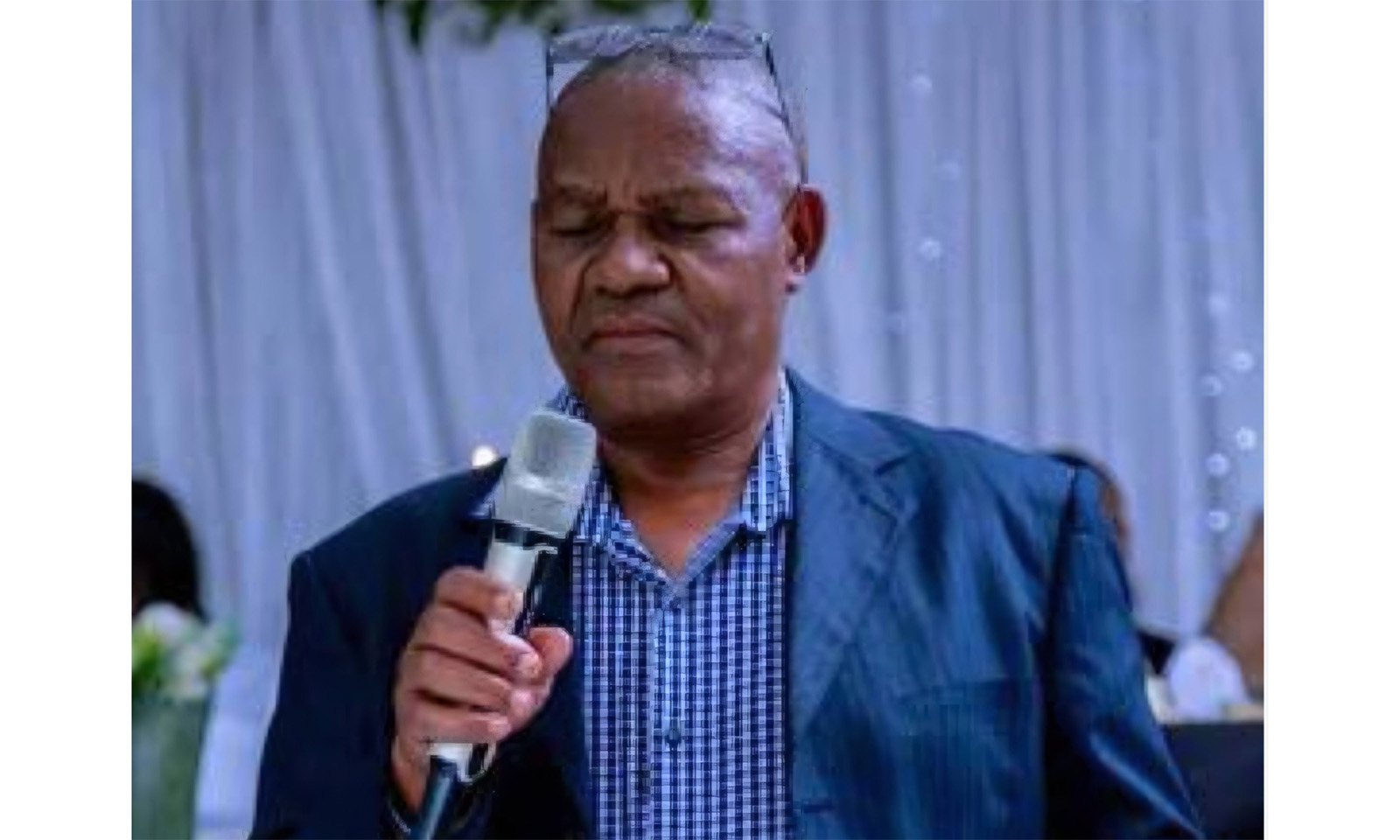
Phillip Mataranyika
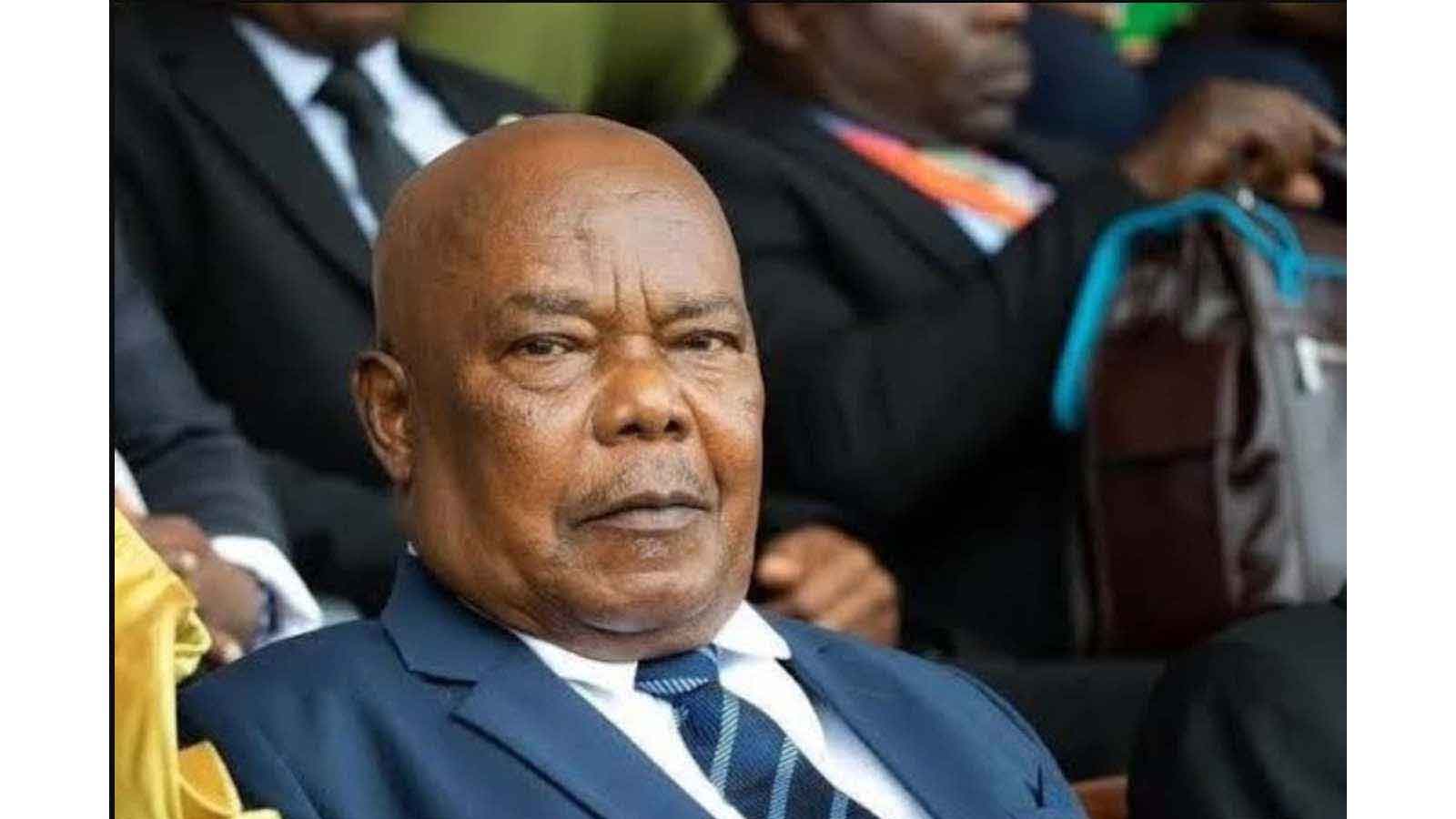
In Joseph Mutangadura, the nation has lost more than a businessman. It has lost a bridge-builder — one who linked rural and urban, production and pleasure, commerce and community.
Musoni — as I fondly called him by his totem — was a quiet, resolute force who transformed his corner of Ruwa into a living, breathing ecosystem of entrepreneurship, hospitality, and
empowerment. Tragically taken from us at the age of 67 in a violent farm attack, his passing is not merely a personal loss to his family and friends, but a grievous blow to a visionary project breathing new life into the country’s integrated meat industry.
From modest beginnings as an employee at ZESA to founding Lisheen Estate, a thriving agricultural enterprise, and launching the cherished Mutangadura Hideout and Mutangaz
Panyama butcheries, Musoni embodied the essence of translating local potential into national promise. While others awaited grand state revival schemes, he rolled up his sleeves and created a model of his own — one that linked cattle farmers with urban consumers through warmth, innovation, and operational finesse.
His entrepreneurial journey began with humble success in carpentry in Glen View, Harare. From his hands flowed not only finely crafted furniture but also the earliest seeds of business ambition.
This craftsmanship opened doors into furniture manufacturing and retailing of building materials — laying the foundation for what would become a diverse and impactful career. It was, however, in farming that Musoni truly came into his own. He transformed Lisheen Estate into a flourishing agricultural enterprise, marrying both crop cultivation and livestock production.
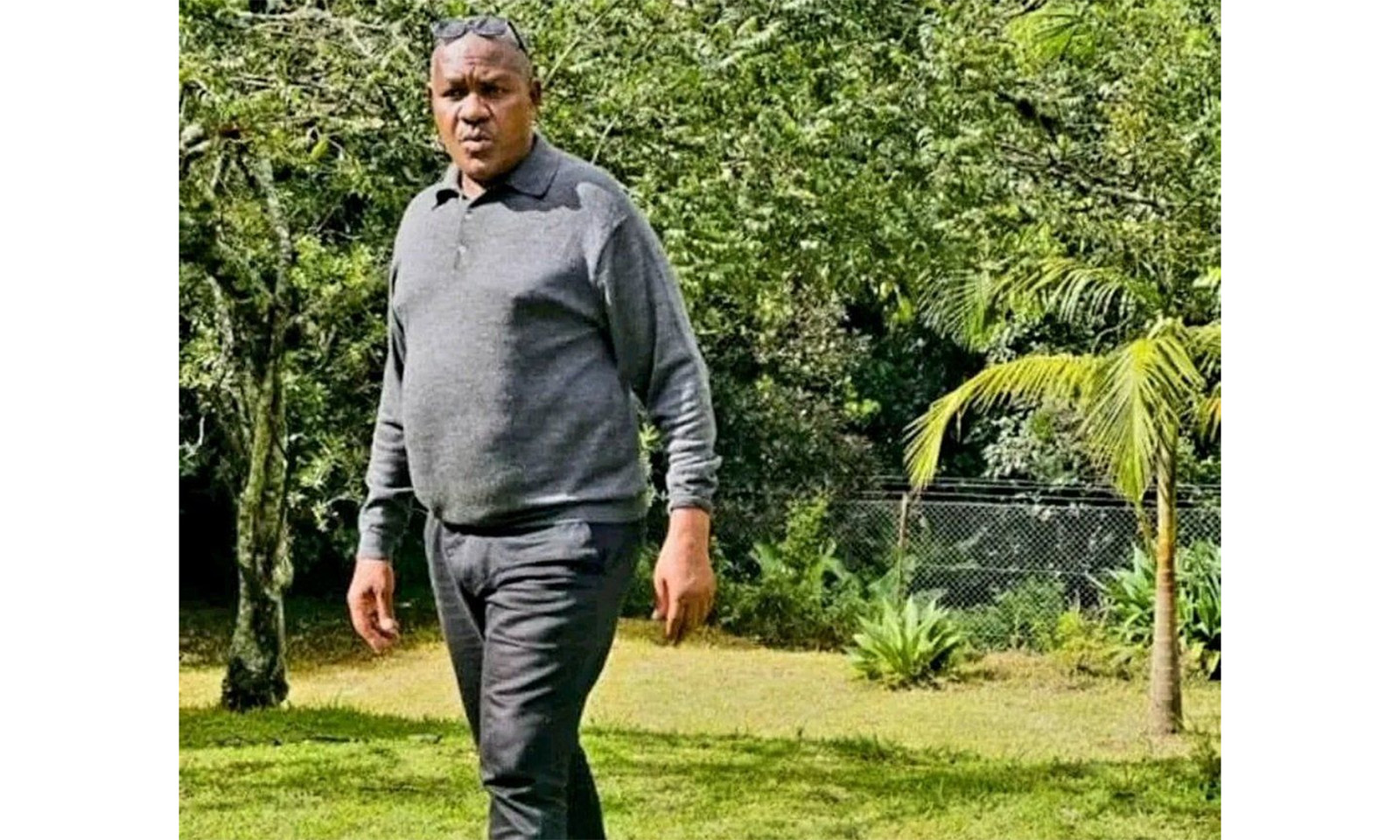
Around 2010, he unveiled Mutangadura Hideout — a beloved leisure sanctuary offering horse riding, barbecues, family-friendly events, and a relaxed atmosphere that drew people from all walks of life. By 2018, his vision expanded further with the birth of Mutangaz Panyama, a chain of butcheries that became a vital artery in Zimbabwe’s meat value chain — connecting small-scale livestock producers in the countryside with discerning consumers in the city.
His ambitions were clear: to establish a stronghold in Ruwa and scale across the nation, perhaps through franchising or a network of outlets that would work in concert with entertainment venues. It was a strategy that positioned him not merely as an entrepreneur but a possible transformative figure in Zimbabwe’s struggling but once-mighty meat industry.
Zimbabwe’s meat sector, after all, was once a regional, if not global powerhouse, anchored by the Cold Storage Commission (CSC). From its modest inception in 1937, the CSC rose to prominence, opening abattoirs in Bulawayo (1938), Harare (1943), Mutare (1946), Masvingo (1951).
By 1960, CSC was exporting meat to Zambia, Congo, the United Kingdom, and beyond. However, the 1990s marked the CSC’s decline — the result of mismanagement, underinvestment, and structural shifts. Its once-formidable infrastructure crumbled. A £400 million Rehabilitate-Operate-Transfer (ROT) deal with Boustead Beef UK, giving birth to CSC-Boustead Beef Zimbabwe, has been the most recent attempt at revival — but the golden age has yet to return.
Into this void stepped private actors — Colcom foremost among them. Established in 1943 as a pig breeders’ cooperative, Colcom had, by 1962, developed its own processing plant in Harare.
It went public in 1993 and was later acquired (and delisted) by Innscor Africa in 2017. Its venture into beef, through Associated Meat Packers (AMP) in 2003, established a
vertically integrated chain producing sausages, pies, cold meats, and more — distributed nationwide through its own network.
Others followed suit: Surrey Meats, Koala Park, Texas Meats — each with its own trajectory. Surrey, under the Dumont de Chassart family, diversified into poultry and deli goods. Koala Park, run by the Swan family, remained leaner but integrated. In the south, the late Chris Androliakos made Heads & Hooves a household name in Bulawayo.
In this competitive, often cut-throat landscape, the Mutangaz brand may have been smaller in scale — but its scope was equally bold.
Musoni’s integrated model stood apart: primary production (Lisheen Estate), retail (Mutangaz Panyama), and experiential leisure (Mutangadura Hideout).
Few in Zimbabwe’s fragmented meat industry have achieved such synergy. Where others stopped at retail, Mutangaz invited the customer into a full sensory experience — a “farm-to-fire” model, where one could purchase fresh meat and enjoy it barbecued on-site. It was more than a business model. It was a community — loyal, vibrant, and bound together by food, laughter, and shared stories.
Musoni was not simply a businessman. He was a marketer, a mentor, and above all, a man of the people. His humility, emotional intelligence, and understated charisma earned him deep respect and enduring affection. Employees were treated as family — many of them remaining in his service for more than a decade. He listened, he counselled, he grieved and he celebrated with them.
Customers, too, found more than service — they found belonging. At Mutangadura Hideout, Musoni mingled like any other guest — casual, approachable, unassuming. Few would guess he was the proprietor. That was his way: low profile, high impact.
Today, his enterprises stand not merely as businesses, but as monuments to a life lived with purpose. Though his life was cut short in unspeakable violence, the foundation he laid — economic, social, and spiritual — is strong and enduring.
Across TikTok and social media, tributes pour in — stories of a man known affectionately as Sekuru, Musoni, Boss, or simply, Friend.
Despite his accomplishments — and his family’s significant contributions during the liberation struggle, offering sanctuary to freedom fighters — Musoni never sought the limelight. He steered clear of political theatre and eschewed media fanfare. But his work — quietly rendered, deeply felt — spoke volumes.
Musoni did not merely sell meat; he created spaces where people gathered, connected, and celebrated life. He did not simply employ — he uplifted.
He did not only raise cattle — he nurtured aspirations. In a sector still seeking its footing after years of uncertainty, Musoni stood as a luminous example of what is possible — grounded in community, driven by vision, and built upon dignity.
We grieve the man, but we honour the mission. His children and team now carry forward his dream — with hope that this model of entrepreneurship, infused with heart, may radiate far beyond the fields of Ruwa.
Go well, Musoni. You have earned your rest. You did not merely build a brand — you built a lighthouse. May your legacy shine ever brighter.
* Phillip Mataranyika is the founder and group chief executive officer of the Nyaradzo Group. The obituary was fist published on his personal Facebook account on August 26, 2025.