admin
adminmembers of the public to donate blood.
The campaign follows revelations from medical personnel who attended to Moyo that they struggled to secure emergency supplementary blood in the wake of his excessive bleeding from injuries sustained in the traffic accident.
Moyo died from injuries he sustained when the vehicle he was driving plunged into a haulage truck that had stopped in the middle of road in Belvedere last week.
He was 37.
In a statement, Media Institute of Southern Africa (MISA), said the event would bring together other journalist organisations such as Zimbabwe Union of Journalists (ZUJ) and friends of Moyo.
The awareness campaigns would be held in Harare and Bulawayo.
In Bulawayo they will be held at NBSZ offices on 4th Avenue and Josiah Tongogara for the convenience of the public while in Harare they would be held at the NBSZ offices next to Parirenyatwa Group of Hospitals along Mazowe Street in Harare.
Both events start at 10.30 am.
ZUJ president Dumisani Sibanda said the event was important in remembering a dear colleague who was an excellent leader.
“It is important to honour MaFree as he was an excellent leader and the blood donation campaign is very important.
“One does not know who will be affected. It is important to sensitise the public about the importance of donating blood,” he said.
Sibanda called on journalists not to be bystanders on important matters such as blood donation.
“While we are remembering the death of our fellow colleague, let us not be bystanders on issues of such importance. Let us revamp the articles that we used to write and inform the public of the importance of blood donation,” he said.
NBSZ community relations officer for Matabeleland region Mr Sifundo Ngwenya, commended journalists on the initiative of coming up with a programme that would raise awareness about the importance of blood donation.
“We applaud journalists for standing up for the donation of blood. The media is the mouthpiece and the tool that reaches out to millions,” said Mr Ngwenya.
“We appeal to people to come forward and fulfill a social responsibility as a way of contributing to the life support system of a human being. Blood is very important, it is like fuel, and it runs out. It is never adequate,” he said.


Online Reporter
- Bmetro , businessweekly , Chronicle , Herald , Hmetro , Kwayedza , Manicapost , SundayMail , SundayNews , uMthunywa
- July 30, 2026
- 48 views
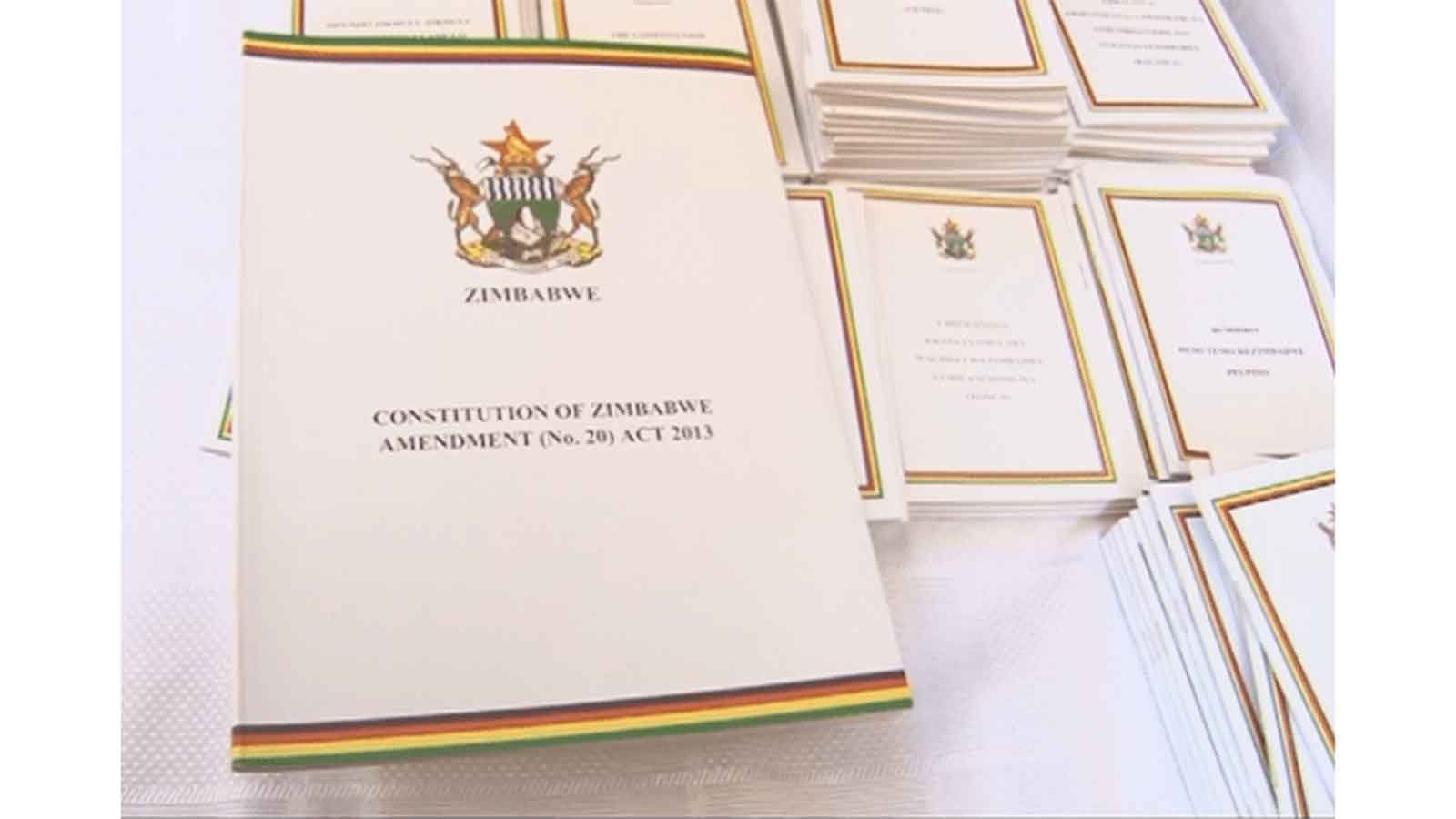
Is the Personal Benefit Rule about ‘Any Amendment’ or ‘An Amendment to a Term Limit Provision’?
An Intimate Reading of Subsections (1) and (7) of Section 328 of the Constitution of Zimbabwe (2013) By Nomuzikayise Ngwenya This piece is confined to one question, a question of…