Chronicle Editor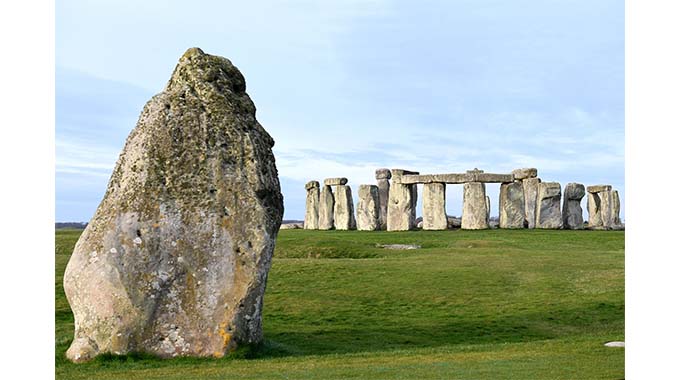
Pathisa Nyathi
TODAY we give some very basic background information on Stonehenge which is the focus of articles that I have started penning.
As said in the first article, interest in the series is more about applications of African Thought on the monument rather than mere academic interest in an ancient English monument. Stonehenge is a Unesco World heritage Site stretching about 5 kilometres in length.
While the centre of attraction is the circular structure of upright stones, there are other related features that constitute a cultural landscape of high historical and cultural significance.
Essentially, there are two types of stones that have been used to build the structure, the earlier bluestones quarried on the Presseli Hills in south western Wales. Two sites where the bluestones were extracted have been located.
There is a high probability that more sites, 2 or 3 may be found as research continues. Each of these smaller bluestones weighs about 2 tons each. Altogether 79 bluestones were ferried over more than 100 miles to the site of Stonehenge.
The smaller bluestones were joined by the larger sarsens which were excavated in Marlborough and transported to the site. In some cases, the new sarsens replaced the older bluestones. What makes Stonehenge unique is the use of these sarsens which are 7m high and weighing more than 20 tons each. They are arranged in a circular design, with the stones dug into the ground to stand upright.
The standing stones are joined by horizontal stones. What continues to vex the minds of researchers is how the big stones were transported from quarry sites given their weight and how during construction they were lifted up and placed on top of the vertical sarsens.
The iconic cultural landscape is located in Wiltshire within the Salisbury Plain in south western England. Other than Stonehenge, research has revealed associated structures: the Durrington Walls and Woodhenge and related cemeteries.
The River Avon is an integral part of the cultural landscape. In addition to the river there is a geological structure which is in line with the position of the sun during one of the solstices.
Research has indicated that Stonehenge was built about 5 000 years ago during the Neolithic Age.
There is however, evidence that the site was used during the later periods such as the Bronze Age, the Copper and even the Iron Age. In addition to the gigantic circular stone structures there are fringing circular banks and ditches.
Several artefacts and smaller structures have been identified. It is these together with the monumental stone structures that lend themselves to interpretation. It is to them that we shall turn after dealing initially with stones and their circular arrangements. As we do that, it is important to point out that Stonehenge is mired in bitter controversy. A road is planned to replace the existing A303.
The proposed bypass will have a two-mile twin-bore tunnel. The aim is to clear vehicular traffic from the site so that the two sections of the cultural landscape cut by the current road will become one unbroken site.
Highways England, England Heritage and National Trust are involved in the project which will cost an estimated 1,7 Billion pounds and will be completed in 2023.
Wessex Archaeology has been leading initial exploration work where the 13 kilometre road will be constructed.
Already 400 trial trenches have been dug with 1 800 test pits having been excavated. The second part of the archaeology project will commence in the second half of this year and will involve about 150 archaeologists.
Only then will road construction begin amid misgivings about thousands of artefacts that will be lost as the soil from road construction will not be sifted to retrieve artefacts. Critics of the project, who include the Druids, have likened the project to Roman Emperor Julius Caesar’s burning of the Great Library of Alexandra which saw the ancient world’s greatest archive of ancient knowledge going up in smoke.



 Online Reporter