Online Reporter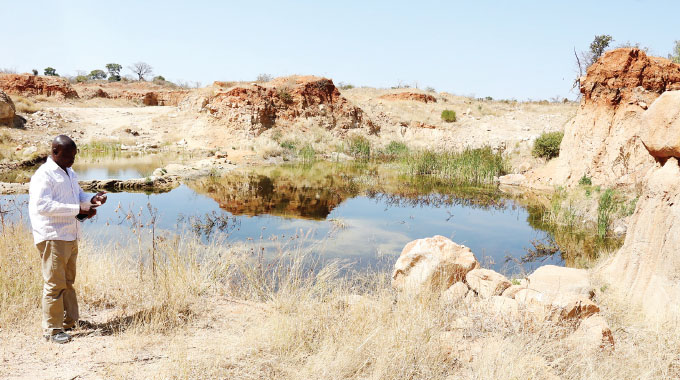
Andile Tshuma, Zimpapers Writer
FOR more than 20 years, families in Ward 27, Pumula South in Bulawayo, lived without a drop of running water in their homes.
Day after day, they carried buckets from shallow wells and sand pits, shared with animals, while paying full municipal rates.
This month, their nightmare ended. For the first time in two decades, taps in some homes gushed with clean municipal water after Bulawayo City Council (BCC) installed a new valve and connected some households.
The milestone marks the end of years of broken promises and unbearable hardship. As far back as 2008, more than 1,200 households between Mpofu Shops, Ngwalo Ngwalo Primary School and Premier High School were left dry after the council failed to connect a crucial pipeline to the suburb.
Since then, residents survived on unsafe boreholes, expensive private water vendors, and the occasional council bowser that sometimes failed to show up for weeks.
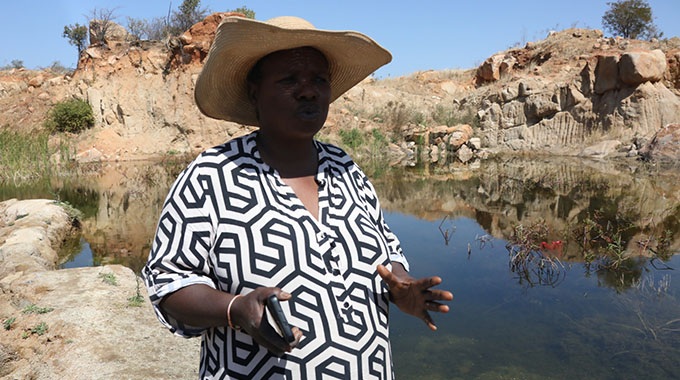
Bulawayo Progressive Residents Association (BPRA) representative, Ms Kwanele Bango, recalls nights when she would wake up at 1AM to fetch water.
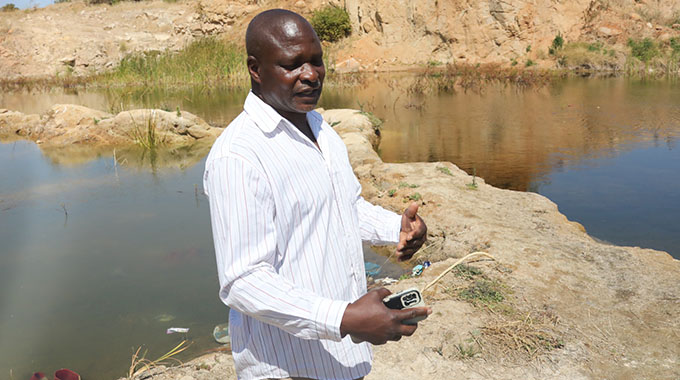
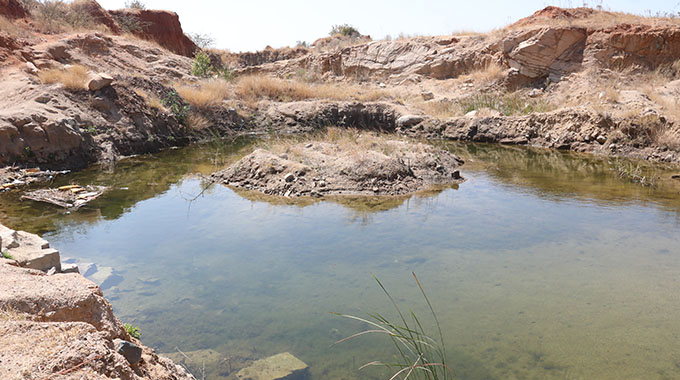
“It became normal, but it was painful. We relied on hand-dug pits where stray dogs drank, donkeys trotted through, and apostolic sects came to baptise,” she said.
“Homeless people bathed in that water, and yet we had to drink it. We were paying rates, but living like villagers.”
The danger was not only disease. Children drowned over the years while fetching water from the open sand pits.
When it rained, sewage and human waste washed into the same pools.
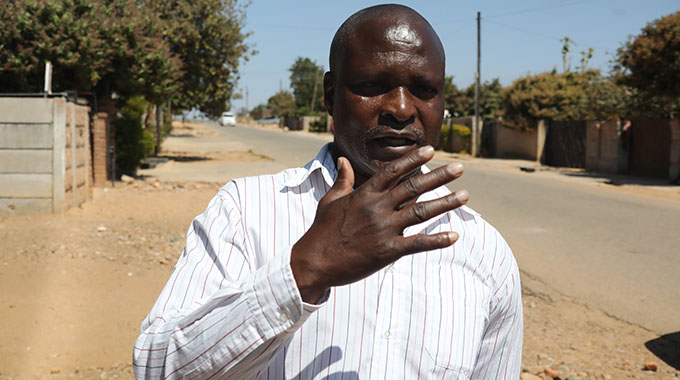
Ward 27 secretary, Mr Kaisi Kaluma, described it as a nightmare. She said the residents eventually decided they could not wait any longer. Each household contributed US$3 to help the council buy the materials it needed.
“Engineers came, together with the mayor. They promised, and this time, they delivered. For us, it’s more than just water. It is dignity restored,” he said.
The breakthrough followed years of petitions and negotiations with city leadership, including Bulawayo mayor, Councillor David Coltart. Residents agreed to chip in for special materials to speed up the project.
Last month, taps in parts of Pumula South finally came alive. For many, it was nothing short of life-changing.
For women and girls, menstrual health management became easier. Nursing mothers finally had clean water for their babies. People with disabilities no longer had to depend on neighbours for buckets of water.
Residents often clashed with open-air worshippers who used the same stagnant pools for baptisms. For women, the struggle was heavier as they had to ensure there was water for cooking, bathing and cleaning, which was often at the expense of their health and safety.
Another resident, who only identified herself as MaTshuma, a mother of three, said the experience was devastating.
“We carried the burden every day. We had to wake up before dawn, walk long distances, and still keep the home running. This change means everything to us,” she said.
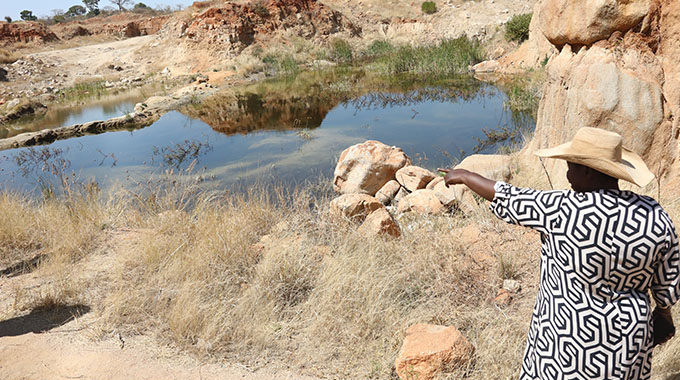
Elderly residents endured an even harsher ordeal. Mrs Virginia Miller, now frail, spent nearly two decades climbing rocky hills in search of water.
“I never thought I would live to see water in my house again. For so long, we suffered. We did our laundry at the same sand pits left by excavators, and we drank from them too,” she said.
For Mrs Qiniso Ndebele, who moved into her home in 2006, the moment she showered in her bathroom for the first time in 19 years is one she will never forget.
“Water was always erratic. The few times it came, the pressure was too low. But now, I finally feel like I am living in a real home,” she said.
Ward 27 Councillor, Lizzy Sibanda, who has long lobbied for the issue, said she was relieved that years of frustration were finally over.
“We discovered some areas had no valves, others no connections at all. Together with the residents, we pushed and pushed until the council acted. Seeing water flowing now makes every struggle worth it,” she said.
Posting on his Facebook page, Clr Coltart said: “I want to pay tribute to our City of Bulawayo engineering team. I particularly want to congratulate them for the work they have done in finally connecting water to several households in Pumula South.”
Around 1 000 houses that have been without water for a long time are now receiving water on the designated days, along with the rest of the city. I also want to pay tribute to Mr. Thabani Tshuma, the chair of the residents’ association and his team for their kind letter of thanks and for the gracious way in which they dealt with us despite the frustration they have experienced having been without water for so long.”