Chronicle Editor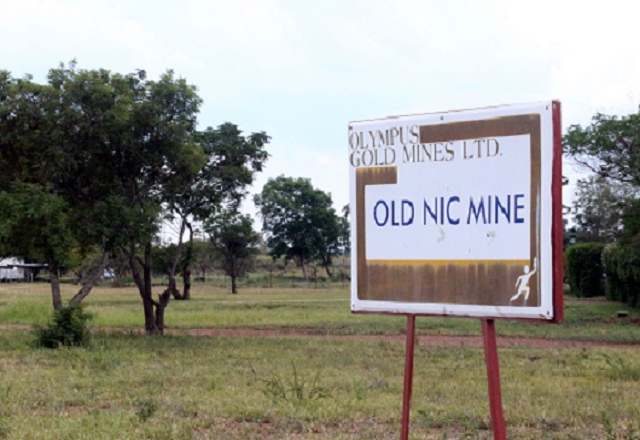
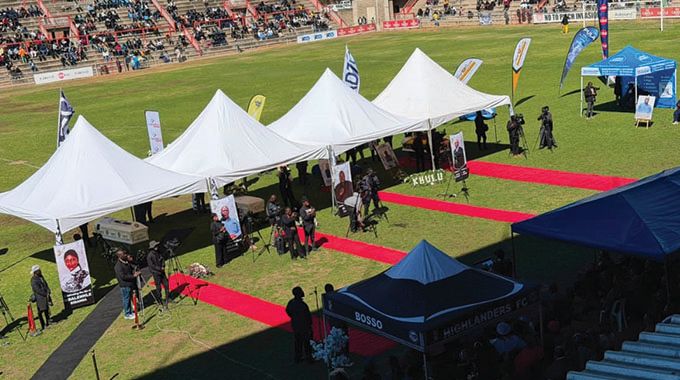
Old Nic Mine in Bulawayo recently celebrated the achievement of five million fatality free hours worked. The celebrations were held amidst pomp and fan fare at the mine’s sports field where Ms Sithatshisiwe Khumalo, NSSA Regional Manager, delivered a keynote address in which she challenged the mine to aim for an accident-free workspace.
She awarded prizes to winning First Aid contestants and families who took good care of their homes in the mine village. Dr Alfred Chinyere congratulated the mine on this milestone and presented them a Shield on behalf of the Chamber of Mines of Zimbabwe.
In his address, Mr Sylvester Dhlamini, the mine manager, said gold mining at the Old Nic Mine site started before the colonial era with the mine claims being pegged in 1894 on ancient workings. Charterland Goldfields Limited Company developed the mine down to 10 Level from 1895 to 1914. From 1914 to 1952, the mine was worked intermittently by different entities; the work was mainly dump re-treatment and pillar reclamation.
Olympus Consolidated Mines worked the mine from 1970 to 2015. It carried out significant exploration and development including sinking a new shaft to access new ore. Olympus Consolidated Mines donated the ground on which the Zimbabwe School of Mines is built as part of its corporate social responsibility before selling the mine to Retinue Stars, who are the current owners since 2016.

Retinue Stars assembled a team of competent professionals who turned the mine around by improving operational efficiencies in both mining and ore processing. The mine is an equal opportunity employer employing about 420 people, 10 percent of whom are female. The mine’s industrial relations climate is very stable.
The five million fatality-free hours worked milestone was achieved because the mine leadership and workers are serious about safety and believe that zero harm is an attainable business objective.
The Old Nic Mine Safety Plan is based on the following pillars:
1. Training – every employee is trained for the role they perform, and refresher courses are provided whenever work circumstances change or when new equipment is introduced.
2. Planned job observations – every employee is observed while performing specific tasks to ensure compliance with set procedures. Feedback from these observations is used for further training or to revise procedures.
3. Incident reporting and investigation – incidents are reported and thoroughly investigated to avoid recurrence. The incident reports are discussed in pre-shift work meetings and used as training material.
4. Provision of adequate personal protective equipment and engineering the workspace to reduce the risk of accidents.


 Online Reporter