Chronicle Editor
Thandeka Moyo-Ndlovu, Health Reporter
ZIMBABWE is working towards a drug-free society through a drug master plan which will help the country achieve Vision2030.
The master plan aims at dealing with drug and substance abuse in society.
The Zimbabwe National Drug Master Plan (2020-2025) offers an integrated and
comprehensive approach that will address a range of drug related issues.
Common substances of abuse in Zimbabwe are alcohol both licensed and unlicensed brews, tobacco, cannabis and non-medicinal use of controlled medicines such as codeine containing cough medicines and benzodiazepines.
About 60 percent of patients admitted in mental health institutions suffer drug related problems.
Due to socio-economic situations, Zimbabwe is facing increasing cases of depression, trauma and stress which has led to the increase in drug use, says the Ministry of Health and Child Care.
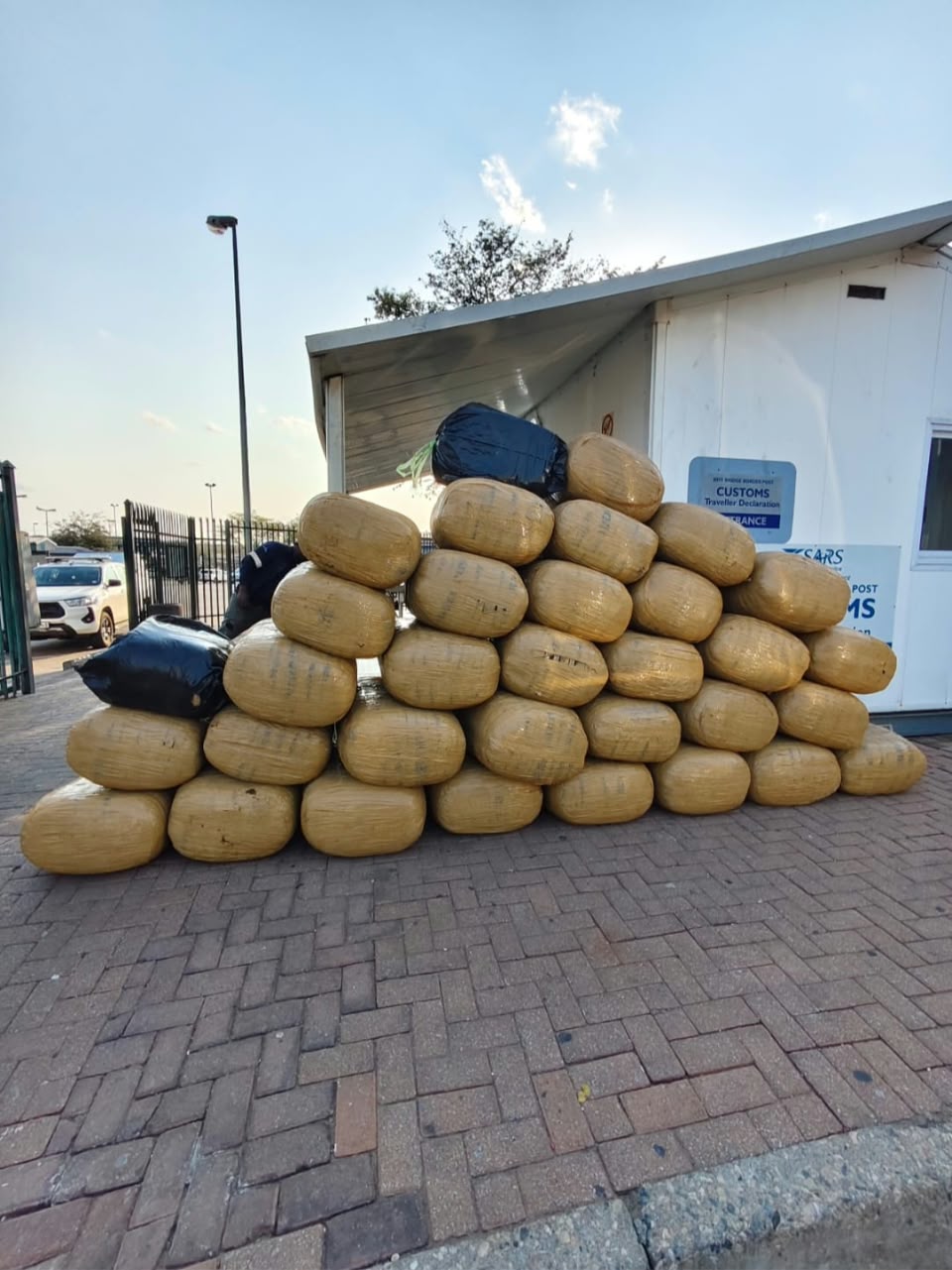
There is a continued increase in trafficking of almost all types of drugs and this is strongly linked to interpersonal violence, unintentional injuries, road traffic accidents, multiple medical complications as well as psychological and mental health complications in the country.
Alcohol and substance abuse are becoming a heavy burden to families, communities, the health and security systems as well as the national economy.
Rising unemployment and reduced opportunities caused by the Covid-19 pandemic are also likely to disproportionately affect the poorest, making them more vulnerable to drug use and also to drug trafficking and cultivation in order to earn money.
The World Health Organization (WHO) estimates that more than 450 000 adults in Zimbabwe have either a drug or alcohol use disorder.
The WHO report shows that alcohol and substance use related problems are one of the top three problems seen in mental health services in the country’s 10 provinces.
In his foreword of the master plan, the permanent secretary in the Ministry of Health Care Air Commodore Dr Jasper Chimedza said alcohol, Marijuana, Crystal Meth (Mutoriro) and Broncleer among others are the main drugs being abused, especially by youths.
“Excessive use of Alcohol and drugs damage the health of users and is linked to rises in addictions and non-communicable diseases including HIV and AIDS, cancer, heart diseases, psychological disorders and an increase in road traffic accidents,” said Dr Chimedza.
“There is great belief and optimism that the guidelines, strategies, and all that is contained within this National Drug Master Plan will pave way to strengthening responses on drug related issues in a positive way. It also strengthens prevention which is the most important leg of this Master Plan.”
Dr Chimedza said the programme performance will be reviewed annually to see if the goals and objectives of the Drug Master Plan are being met.
“All stakeholders are encouraged to embrace the guidelines on how to deal with drug use challenges and prioritise their actions in a way that will lead to the accomplishment of the Drug Master Plan’s aim. Concerted effort is needed to protect youths which are the future of the nation,” he said.
@thamamoe



 Online Reporter