Online Reporter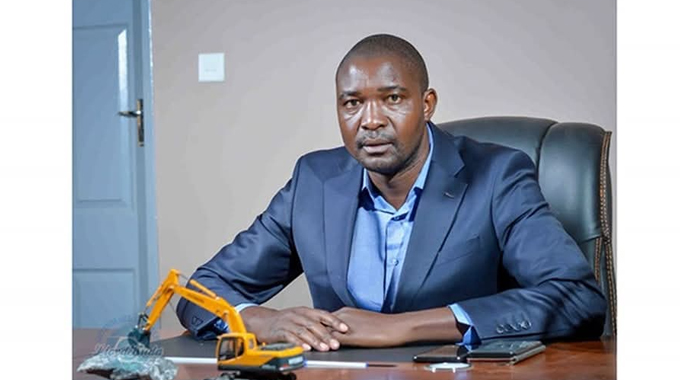
Ivan Zhakata
Herald Correspondent
Kabuyuni Constituency in Gokwe North has recorded widespread transformation with residents and local leaders crediting the Second Republic’s inclusive development agenda and the proactive leadership of its Member of Parliament, Cde Spencer Tshuma.
The constituency, once characterised by water shortages, inadequate infrastructure and limited services, is now experiencing major improvements in water supply, education, healthcare, road rehabilitation and community empowerment.
One of the most significant milestones has been the construction of 28 dams supplying water to all 32 wards in the constituency.
The dams, built to address chronic shortages, are already supporting irrigation projects and improving access to clean water for households.
Cde Tshuma said the water projects were a direct response to long-standing community needs.
“Water was a serious challenge for our people, and we could not wait any longer,” he said.
“These 28 dams are not just infrastructure—they are life. They are giving our farmers stability, giving families clean water and restoring dignity to communities that had suffered for too long.”
He said the projects were guided by President Mnangagwa’s emphasis on inclusive development.
“We are following the President’s vision of leaving no place and no one behind,” Cde Tshuma said.
“Kabuyuni must develop at the same pace as every other part of the country.”
Education has also received significant investment. Several primary and secondary schools have been upgraded with new classroom blocks to ease overcrowding.
In addition, some institutions have been equipped with solar systems and internet connectivity, bringing digital learning to rural communities.
Cde Tshuma said improving education was a top priority.
“A child in Kabuyuni must have the same opportunities as a child in Harare or Bulawayo,” he said.
“Solar power and internet access mean our learners can study without interruption and can access the modern tools they need to succeed.”
Healthcare delivery has equally improved, with new clinics constructed and others set for development following approvals secured through collaboration between the MP and the local council.
Villagers say the new facilities have resulted in the reduction of travel distances and improved access to essential health services.
“Health is the foundation of development,” Cde Tshuma said.
“If people are walking 15 or 20 kilometres to find a clinic, then development is not complete. We are fixing that through the construction of clinics that are closer to the people.”
Community empowerment programmes have been rolled out targeting youths, widows and elderly women.
Poultry projects have been launched in several wards, providing income-generation and strengthening household resilience.
“Empowering vulnerable groups is essential,” the MP said.
“When widows, the elderly and young people can earn a living, the whole constituency grows. No one should be left behind.”
Roads rehabilitation has been another major focus area. Kabuyuni has long struggled with impassable roads particularly during the rainy season.
Cde Tshuma, who is also a miner, has deployed his own earthmoving equipment to repair and reopen critical routes.
“We could not wait for contractors while our people suffered,” he said.
“Some roads had become completely unusable. I used my own machinery because service delivery should not be delayed when solutions are available.”
He said improved roads were vital for economic activities.
“A good road is not luxury—it is access to markets, access to schools and access to health facilities,” Cde Tshuma said.
“Better roads mean a better life for everyone in Kabuyuni.”
Local leaders have said the developments are positioning Kabuyuni as a model of rural transformation under the Second Republic.
The projects, they said, demonstrate the impact of coordinated development efforts that combine government policy and constituency-level commitment.
Residents who spoke to this publication said they are experiencing tangible changes in their daily lives, with many expressing optimism for continued progress.
Cde Tshuma said the development programmes will continue into 2026 and beyond.
“We are not stopping,” he said. “Kabuyuni must continue to grow. More schools will be upgraded, more clinics will be built and more communities will benefit from irrigation and empowerment projects.”
Kabuyuni’s ongoing transformation reflects what local leaders describe as a new era of inclusive development—driven by national priorities and strengthened by active, community-focused leadership.