admin
adminBusiness Reporters
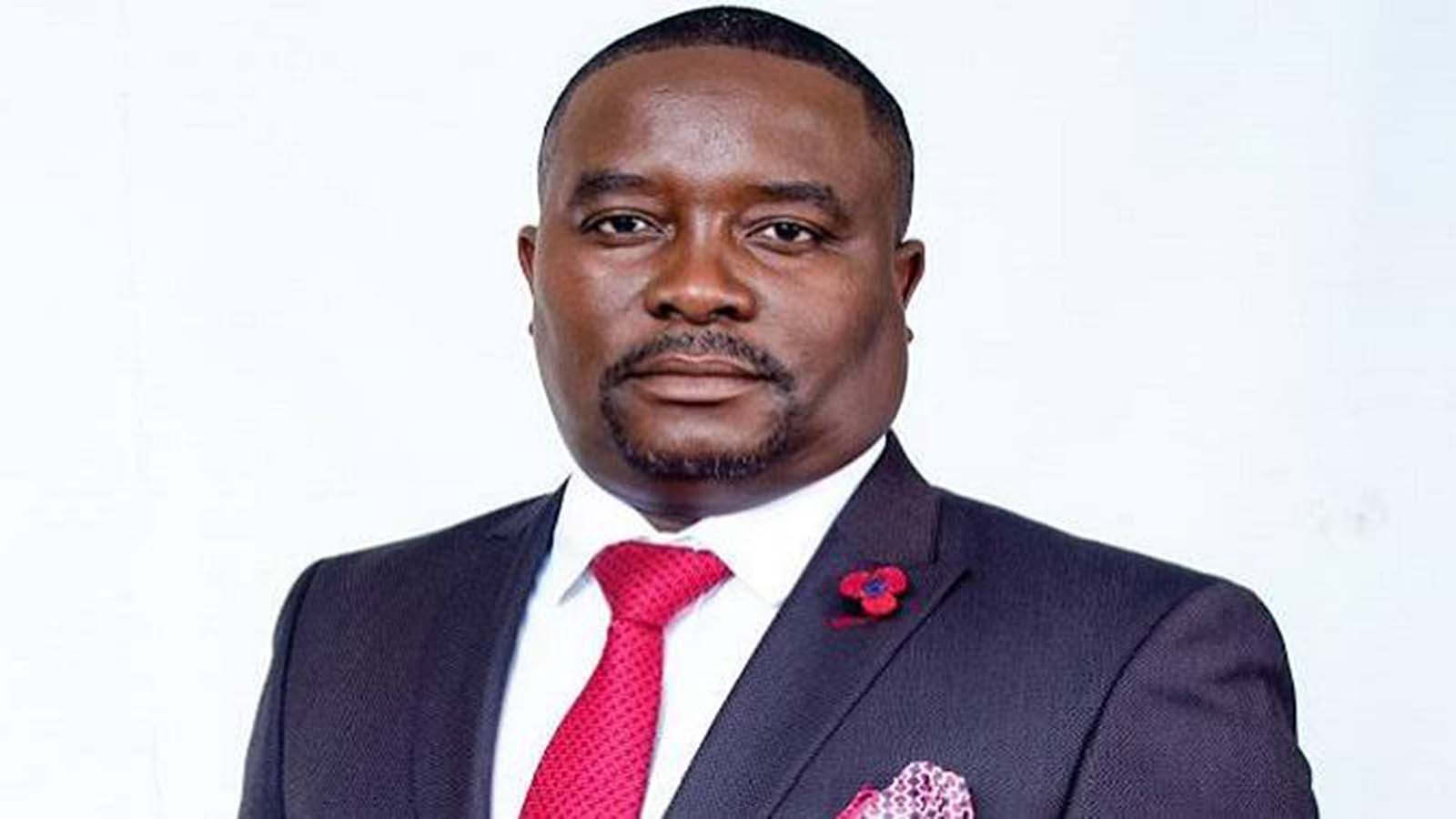
Chemplex Corporation Limited chief executive Misheck Samson Kachere has left the country’s biggest fertiliser and chemical manufacturer after 34 years of service.
“We are pleased to advise that Mr Misheck Samson Kachere retired from Chemplex Corporation Limited as chief executive officer on February 28, 2017.
“Mr Kachere presented more than twenty papers on the strategy, policy, production, marketing relating to agriculture and fertilisers during international and national conferences and workshops,” said Industrial Development Corporation chief executive Mike Ndudzo.
“The Board would like to express its sincere appreciation to Mr Kachere for his illustrious service to the organisation and leading a blameless 34 years working life in Chemplex.”
Mr Kachere has been replaced by Mr Tapuwa Matangaidze, who has been serving as general manager of ZimPhos since 2006, also concurrently managing Dorowa Minerals.
“He has been a leader of various portfolios within the organisation since joining in 1989 and these include production manager, business development manager as well as general manager for the Animal and Public Health Division,” said Mr Ndudzo.
“Altogether he has worked in the manufacturing industry as an industrial manager for 32 years with 20 of those in Chemplex. As one of the inaugural directors of the Zimbabwe Energy Regulatory Authority, Tapuwa chaired the Electricity Committee and has also sat on various company boards including Allied Insurance, Lupane Gas Development Company and Verify Engineering,” he said.
IDC owns 100 percent stake in Chemplex.
Chemplex Corporation has six companies namely ZimPhos, Dorowa, Chemplex Marketing, Chemplex Animal and Public Health, GD Haulage and G and W Industrial Minerals.
The retirement of Mr Kachere comes at a time when IDC has short-listed investors for the takeover of its 76 percent stake in Chemplex Corporation with the aim to raise $60 million recapitalisation of the company.
The diversified company, Chemplex Corporation since dollarisation has been facing viability challenges due to lack of working capital and availability of antiquated plant equipment across its investment portfolio.


 Online Reporter