Online Reporter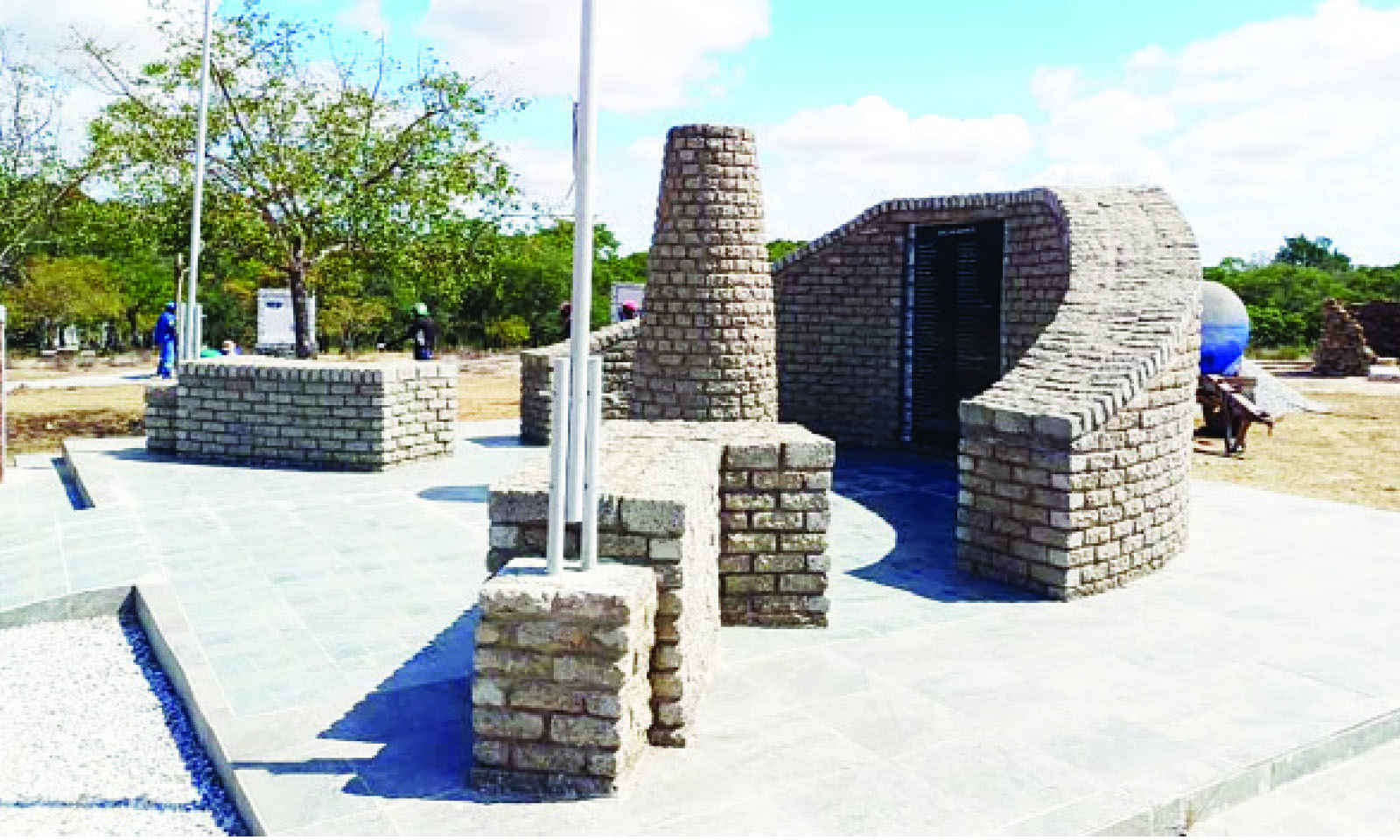
George Maponga
Masvingo Bureau
ON May 14, 1978, during the sunset of Rhodesian colonial rule in Zimbabwe, Ian Smith’s army committed atrocities by killing — in cold blood — 104 civilians at Kamungoma Farm under Chief Nemashakwe, about 75km southeast of Mpandawana Growth Point.
The unjustified blood-letting sealed the heinous Rhodesian regime’s place in infamy as shameless and bloodthirsty racists who would even kill and maim just to spite, as pressure for independence became more potent.
The butchering of the unarmed civilians and one freedom fighter, who were attending a pungwe or night vigil at Kamungoma Farm, will be remembered as one of the bloodiest and darkest days in Zimbabwe’s struggle for independence from colonial oppression.
Scars left by the sound of gunfire and the piercing of bullets have not healed for the Kamungoma folk, 45 years after the Rhodesian racist iron curtain collapsed spectacularly, with Zimbabwe triumphantly marching into independence on April 18, 1980.
For the Kamungoma community, especially survivors of the night, the drums of war are still beating, with memories of the massacre still fresh in their minds.
The pain, the groaning, the bleeding, the smell of death and above all the tales of survivors still hang on like a threatening cumulonimbus cloud ready to unleash rain on Mother Earth.
Thus, the move by the Second Republic under President Mnangagwa to upgrade the Kamungoma massacre site into a Liberation War Shrine in April last year to memorialise the dark episode for the people of Nemashakwe could not have come at a better time.
Completion of the upgrade of Kamungoma by the Second Republic also paved the way for its elevation into a national monument.
Building a liberation war shrine at Kamungoma marked a key milestone in the drive to honour victims of Rhodesian colonial brutality, while memorialising such dark events for enduring inspiration to present and future generations.
The new shrine at Kamungoma not only symbolises a fitting tribute to the gallant villagers and one freedom fighter who paid the ultimate price for Zimbabwe to be free, but also serves as a lasting reminder to the torturous journey that was navigated for the country to jettison the yoke of colonial tyranny.
Kamungoma Liberation War shrine is also a symbol of pride in the never-say-die spirit of Zimbabweans and its conception is a poignant exhortation for Zimbabweans to always remember the magnitude of suffering encountered to birth a free Zimbabwe.
The newly minted liberation shrine that was inaugurated by President Mnangagwa, not only stands as a monument to commemorate the war dead, but also as a tourist attraction providing graphic details about how Zimbabwe was born.
Names of the Kamungoma heroes and heroines are ingrained on the shrine structures together with the sole guerrilla slain that night, Cde Double Killer, being the standout victim among unarmed villagers.
A field museum and an exhibition gallery are some of the new things that were set up at Kamungoma, helping visitors to visualise the events on the dark day during Zimbabwe’s journey to self-rule.
This shrine was also built, together with many around Zimbabwe, as part of the Second Republic’s thrust to rectify skewed historical narratives that relegated the bravery of black people in the face of their more fancied and better armed colonialists.
With more people now thronging to Kamungoma to learn about the place’s history, the shrine also takes a tourism slant, creating business opportunities for locals. Ahead of its commissioning, roads were upgraded to make the new shrine easily accessible, which is also a boon for the local economy.
National Museums and Monuments of Zimbabwe regional director Mr Lovemore Mandima highlighted the significance of Kamungoma’s upgrading, which he noted was a boon for tourism with an increased influx of visitors to the shrine, which was also now a national monument.
“After its upgrade, Kamungoma was declared a national monument and this implies that its protection was enhanced,’’ said Mr Mandima.
“The aftermath of the official opening of the new upgraded site has seen an increase in visitorship; the shrine is now open to all facets of visitors, be it for tourism or educational purposes. To date, Kamungoma has recorded good numbers in terms of visitors and it’s a very important learning facility for schoolchildren from early childhood development level up to higher education.’’
Mr Mandima revealed that Kamungoma has also created three full time jobs for locals employed to provide security and also as site custodians with plans also underway to increase local manpower once more visitors start going there.
“It is also hoped that as we get more visitors to Kamungoma, locals will also sell souvenirs from locally made crafts just like other destinations like the iconic Great Zimbabwe monuments.’’
According to Mr Mandima, President Mnangagwa’s administration deserves a pat on the back for moving to memorialise key events that happened during the country’s bloody war of liberation through building shrines that not only provide tourism spectacles, but also serve as lasting symbols of inspiration to future generations.
The Permanent Secretary for Masvingo Provincial Affairs and Devolution Dr Addmore Pazvakavambwa, praised the Second Republic for memorialising sites like Kamungoma that loom large in the country’s struggle for independence.
“The upgrading of sites like Kamungoma shows that the Second Republic is cognisant of the suffering endured by Zimbabweans for the country to attain majority rule and such sites are even important in times like now when we are celebrating our heroes and heroines who paid the ultimate price for freedom,’’ he said.
“Many people paid the supreme sacrifice to ensure that Zimbabwe got liberated from the chains of colonialism, so this is a good sign, a good indication by the government that it is prepared to do a lot more in remembrance of our country’s sons and daughters who gave their all for a free Zimbabwe.’’
According to Dr Pazvakavambwa, upgrading of sites like Kamungoma also serves as a source of comfort for the affected communities in Gutu and the nation at large, who will always take solace from the befitting honour and tribute accorded to the country’s heroes and heroines through lasting edifices like shrines.
He said the upgrading of Kamungoma shrine had brought a lot of happiness to communities in and around the district and stressed that such moves also helped evoke a sense of pride and satisfaction to those who lost their close relatives.
“What happened at Kamungoma (upgrading the site) is also good from a tourism perspective because we are already having more people visiting the shrine to understand and learn about events that occurred on May 14, 1978 and when more visitors flock to sites such as Kamungoma it is good for our provincial gross domestic product growth which also has a bearing on Vision 2030.’’
While the building of a shrine to honour the Kamungoma war dead during the struggle for independence has turned a misfortune into an economic opportunity, for the locals, the site of the massacre remains a lifetime reminder of the excesses of the hideous Rhodesian racist regime.
For the people of Kamungoma, the new upgraded structure provokes sad memories in their minds, a stark reminder that the sound from drums of war is still being heard, 45 years on.