Online Reporter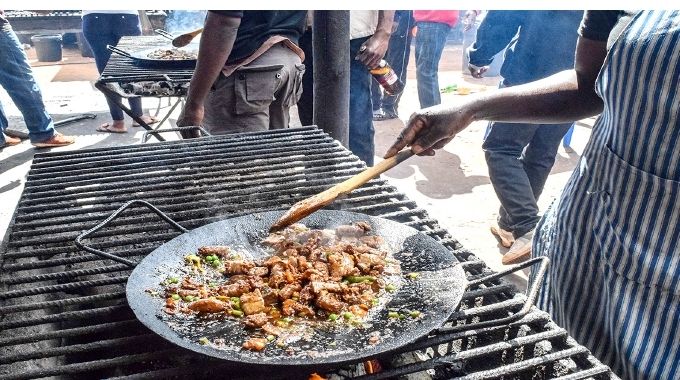
Lubelihle Moyo
ASTEAMING plate of isitshwala and “beef” for just US$1 sounds like heaven for many hungry Bulawayo residents. But behind the bubbling pots in some backyard kitchens and alleyway food spots could be a frightening menu surprise that has left the city gagging in horror.
From donkey meat scares in Cowdray Park to the shocking case of a mentally disturbed man who sold dog meat to unsuspecting residents, Bulawayo’s booming backyard food business is now under the spotlight.
These makeshift kitchens are mushrooming across suburbs and even hidden corners of the CBD, especially around 6th Avenue and the market area where smoke rises from pots from morning till night as crowds queue for cheap meals.
Health officials say some of these “fly-by-night foodies” are cooking up danger.
Bulawayo City Council Director of Health Services Dr Edwin Sibanda previously warned residents against buying food from unlicensed outlets.
“First of all, you do not know who prepared the food and how or how they did it. Where has this food been processed and stored? How long has it been preserved?” he said.
Residents have reason to fear.
In 2024, panic exploded in Cowdray Park after skinned donkey carcasses were discovered dumped in the suburb, sparking fears that residents had been buying donkey meat disguised as beef from illegal vendors.
Ward 15 councillor Ashton Mhlanga urged residents to stop buying meat from backyard sellers after reports that donkey meat was being sold in the new stands area.
Residents were horrified.
“I think the meat being sold from houses and pavements is suspect,” fumed Emanuel Tshuma from Cowdray Park after donkey remains were found.
Another resident, Ellen Moyo, said she became physically sick after seeing images of the slaughtered donkeys circulating on social media.
With the big pieces served with so-called Dollar Deals, residents could be eating anything.
To make matters worse, this was not Bulawayo’s first mystery meat scandal.
In 2017, council officials uncovered a mentally disturbed homeless man identified only as Ndebele who was selling dog meat taken from carcasses dumped at a municipal site after dogs had been euthanised by the SPCA.
Ndebele skinned the dogs and sold the meat to unsuspecting residents and even restaurant owners who never bothered to ask what animal the meat came from.
However, despite the horror stories, backyard kitchens continue attracting customers because of affordability and familiarity.
“I know I can still come back and the prices will not change. We watch them cook, so we do not fear food poisoning,” said Evidence Nkomo while eating a plate of isitshwala and “beef.”
Health experts insist appearances can deceive.
Food is often cooked near drains, dusty alleys and uninspected backyard spaces with no refrigeration or hygiene checks. Since these outlets are not registered or regularly inspected, customers may never really know whether the meat on their plates is beef, donkey, dog or something even worse.
Cheap can fill the stomach, but sometimes the bargain may come with a shocking bite.