Fungai Lupande-Mashonaland Central Bureau
GOVERNMENT is upgrading Chapoto Clinic in Kanyemba into a rural hospital to improve healthcare services in the remote border district while strengthening Zimbabwe’s preparedness against cross-border disease outbreaks, including Ebola.
The facility, located near Zimbabwe’s borders with Zambia and Mozambique and serving a region that receives travellers from across the sub-region, has been earmarked for expansion to improve access to specialist healthcare and enhance the country’s capacity to detect, isolate and respond to infectious diseases entering through border communities.
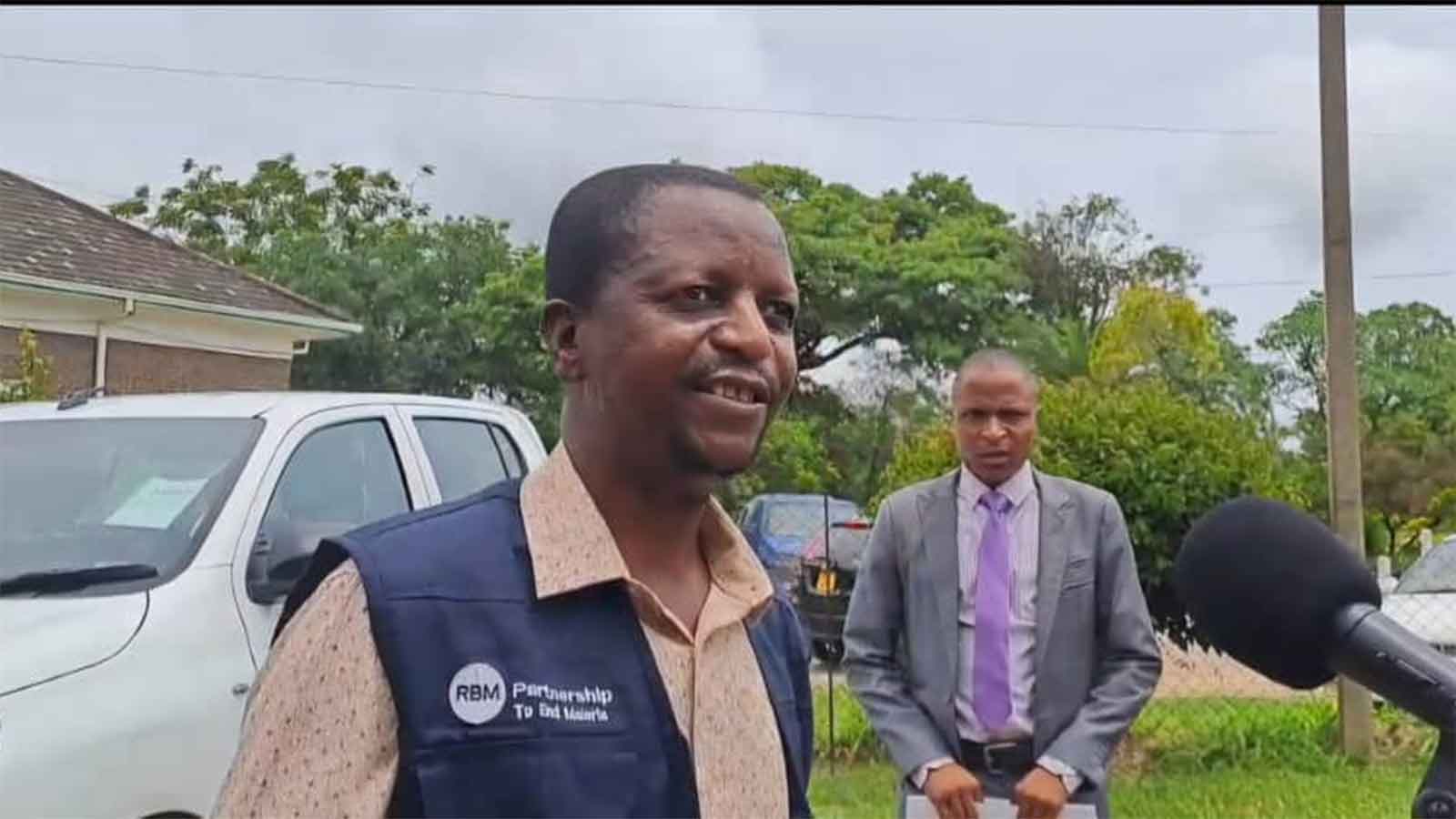
Mashonaland Central Provincial Medical Director Dr Clemence Tshuma revealed the plans during a tour of the facility by the Special Adviser to the President on Monitoring and Implementation of Government Programmes and Projects, Dr Joram Gumbo, last week.
Dr Tshuma said plans to transform Chapoto Clinic into a fully fledged rural hospital date back to 2019, although progress had initially been delayed by funding constraints.
“Initially, this clinic was supposed to be upgraded to a rural hospital. That was in 2019, but unfortunately the funds allocated for the project did not come through,” he said.
Despite the financial setbacks, the province has continued preparing for the expansion by securing additional land through special planning approval, creating sufficient space for the future hospital.
“The space for the clinic has been extended, so we now have that capacity for expansion,” he said.
As part of the preparations, the Ministry of Health and Child Care used funding from the United Nations Development Programme (UNDP) to construct a pharmacy at the facility.
“We prioritised this facility because we were planning for it to become a hospital. We have already constructed a pharmacy in preparation for the upgrade, but unfortunately the rest of the budget has not come,” said Dr Tshuma.
The planned hospital is expected to significantly improve access to healthcare for communities in Kanyemba, many of whom currently travel long distances to access advanced medical services.
It will also strengthen disease surveillance and emergency response in one of Zimbabwe’s key border districts, which is vulnerable to the importation of infectious diseases through cross-border movement.
Dr Tshuma said the province had already designated Chapoto Clinic and Mvurwi Hospital as isolation and treatment centres should an Ebola outbreak occur.
“We have designated two health facilities to handle an outbreak. This is one of them and the other is Mvurwi Hospital. Before we have cases, we are already prepared,” he said.
He said health workers had undergone specialised training in infection prevention and control, while medicines, medical supplies and personal protective equipment had been stockpiled to improve outbreak preparedness.
However, he noted that activating the designated Ebola treatment centres would require the temporary suspension of normal healthcare services at those facilities.
“If we have cases in these two facilities, they will stop functioning as they are now. They will stop seeing general cases, meaning we have to find alternative places for patients who normally come here,” he said.
The province has also strengthened health surveillance at Kanyemba Border Post by deploying environmental health officers and increasing community-based disease monitoring.
However, Dr Tshuma said several critical gaps remain, including inadequate accommodation for health personnel stationed at the border post, limited office space, shortages of thermal screening equipment and unreliable water supplies.
“Because the officers commute from here to the border post, it is difficult for them to operate effectively. We have allocated them a vehicle to assist them, although the steepness of the road remains a challenge,” he said.
He said the province required at least four non-contact thermal screening cameras, each costing approximately US$4 000, to strengthen disease surveillance at border entry points.
“We need cameras that can take temperatures without physical contact. They are expensive, and we currently do not have funding for them,” he said.
A reliable water supply also remains a major challenge.
Authorities have identified a site for a borehole and hope the Presidential Borehole Scheme will support the project.
“For this clinic to properly handle Ebola cases, we need to ensure a reliable water supply. We hope the Presidential Borehole Scheme will assist us because water is also a challenge for general services,” he said.
Dr Tshuma also highlighted persistent challenges with emergency patient referrals, saying the absence of a dedicated ambulance continues to hamper transfers to Chitsungo Hospital.
“Our biggest challenge is that we do not have an ambulance to transfer patients to Chitsungo. Some patients end up seeking treatment in Zambia because of that,” he said.
He added that improving ambulance services and strengthening blood supply systems would significantly enhance emergency healthcare delivery in the district.