

 Online Reporter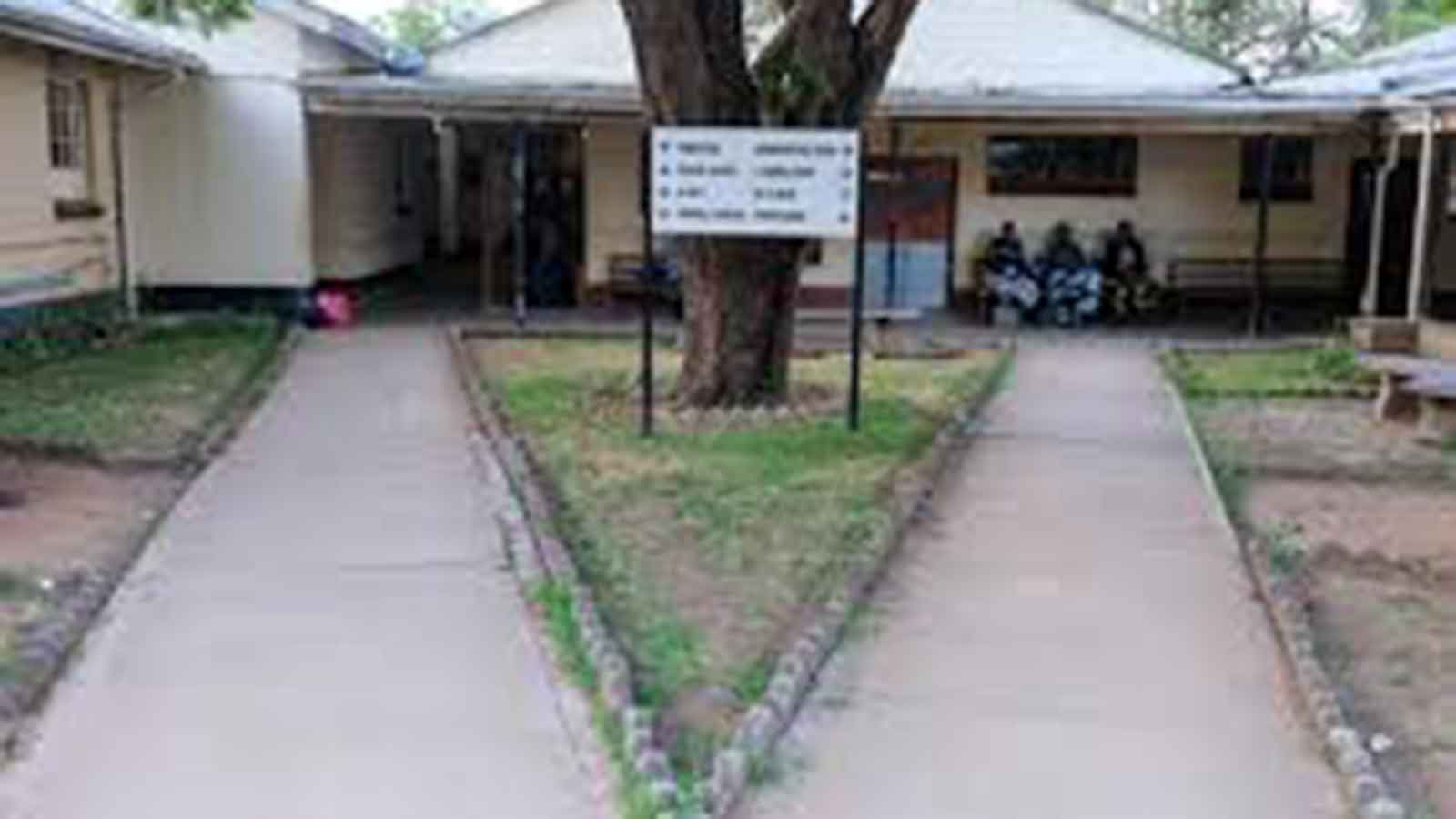
Rumbidzayi Zinyuke
Recently in Mount Darwin
Karanda Mission Hospital is appealing for at least US$1,5 million to expand its infrastructure, acquire modern diagnostic and surgical equipment and build staff accommodation as the institution battles overwhelming patient numbers.
The 165-bed hospital has become one of the country’s busiest mission hospitals, attracting patients from across Zimbabwe for specialised surgical care, maternity services, HIV and tuberculosis treatment and chronic disease management.
However, the increasing demand for its services has stretched existing facilities beyond capacity, forcing some patients to sleep on floor beds while health workers endure heavy workloads.
Karanda assistant Medical Superintendent Dr Takudzwa Sasa said the hospital was now treating more patients than it was originally designed to accommodate.
“One of our biggest challenges is that we have become so popular that we are now chewing more than we can swallow,” he said.
“We never turn away patients, but sometimes that means people have to sleep on the floor or wait an extra day before seeing a doctor.
“We need to expand our male and female wards because the number of patients continues to increase every year.”
The hospital attends to about 140 000 patients annually, conducts more than 51 000 outpatient consultations and performs close to 4 000 surgical procedures each year.
Dr Sasa said while the Ministry of Health and Child Care continued to support the institution, additional investment was urgently needed to improve infrastructure and strengthen specialised services.
“We need about US$1,5 million to build accommodation for doctors and nurses, upgrade our infrastructure and expand the hospital,” he said.
“Some of our buildings date back to the 1960s, yet the demand for services has grown tremendously.”
He said inadequate staff accommodation had become one of the hospital’s major challenges, affecting the recruitment and retention of skilled health professionals.
“As we speak, one of our volunteer doctors has been living in a very small room for more than a year because there is simply no accommodation,” he said.
“We need houses for doctors, nurses and other staff if we are to continue expanding services.”
Dr Sasa said the hospital was upgrading its diagnostic capacity, expanding outpatient chronic disease clinics and introducing more advanced surgical procedures to meet changing health needs.
He said the institution also hoped to attain recognition as a specialist referral hospital, a move that would enable it to attract more specialists.
“What we really need is recognition as a specialist referral hospital because that comes with more specialists, specialised nurses and stronger management structures to support the growing workload,” he said.
The hospital’s disease burden reflects the country’s changing health profile, with non-communicable diseases now accounting for a huge proportion of patients.
Dr Sasa said hypertension is now one of the leading conditions, followed by diabetes.
HIV and tuberculosis remain major communicable diseases, while on the surgical side, the hospital performs many hernia repairs, abdominal operations and orthopaedic procedures resulting from road traffic injuries.
Despite its Christian identity, Karanda Mission Hospital says it welcomes support from all individuals and organisations willing to contribute towards improving healthcare.
“We are open to everyone who wants to help. People can support us financially, donate equipment, volunteer their skills or partner with us in different ways. We believe help can come from many directions,” said Dr Sasa.
He said the hospital was also exploring agricultural projects to improve food security and enhance its long-term financial sustainability.
Known for offering compassionate care regardless of a patient’s ability to pay, Karanda has earned a reputation as one of Zimbabwe’s leading mission hospitals.
Dr Sasa attributed the institution’s popularity to its commitment to treating every patient with dignity and compassion.
“Our strength is not just the medical care we provide, but the compassion with which we serve people. That is what keeps patients coming back to Karanda,” he said.



Chivhayo can assist us here instead of fishing out cash, vehicles and other freebies to those with everything.