admin
admin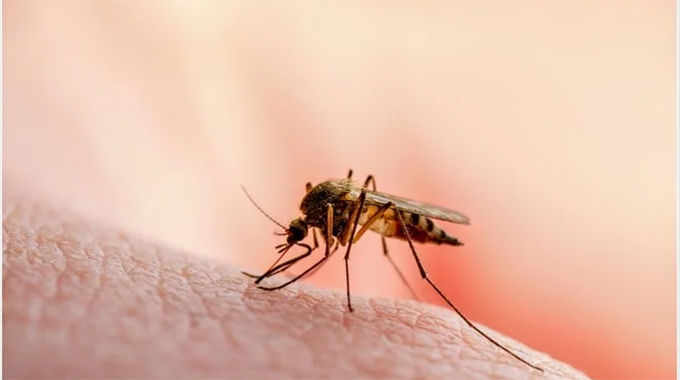
Conrad Mupesa
Mashonaland West Bureau
THE Municipality of Kariba, in collaboration with the Ministry of Health and Child Welfare, yesterday began spraying potential mosquito breeding areas in the town using microbial or chemical insecticides to control mosquitoes indoors and outdoors.
The overall goal is to reduce the number of mosquitoes that bite and infect humans with malaria.
According to the World Health Organisation (WHO) malaria kills 14 out of every 100 people infected with the parasite worldwide. An estimated 608 000 deaths occurred globally due to malaria in 2022 with last year’s figures believed to be in the same range.
In Zimbabwe, the Zambezi Valley in which Kariba falls, is one of the hardest hit areas. Kariba spokesperson, Mr Gabriel Mazivofa said the programme will end on October 22. “It will cover the entirety of Kariba’s urban area. Residents and stakeholders are encouraged to assist the team on-site by providing information on waterlogged areas that could serve as mosquito breeding grounds,” he said.
Mr Masvora said the second phase was to clear the hyacinth from the Nyamhunga sewer ponds. Hyacinth is believed to provide favourable conditions and ground for mosquito breeding.



 Online Reporter