admin
admin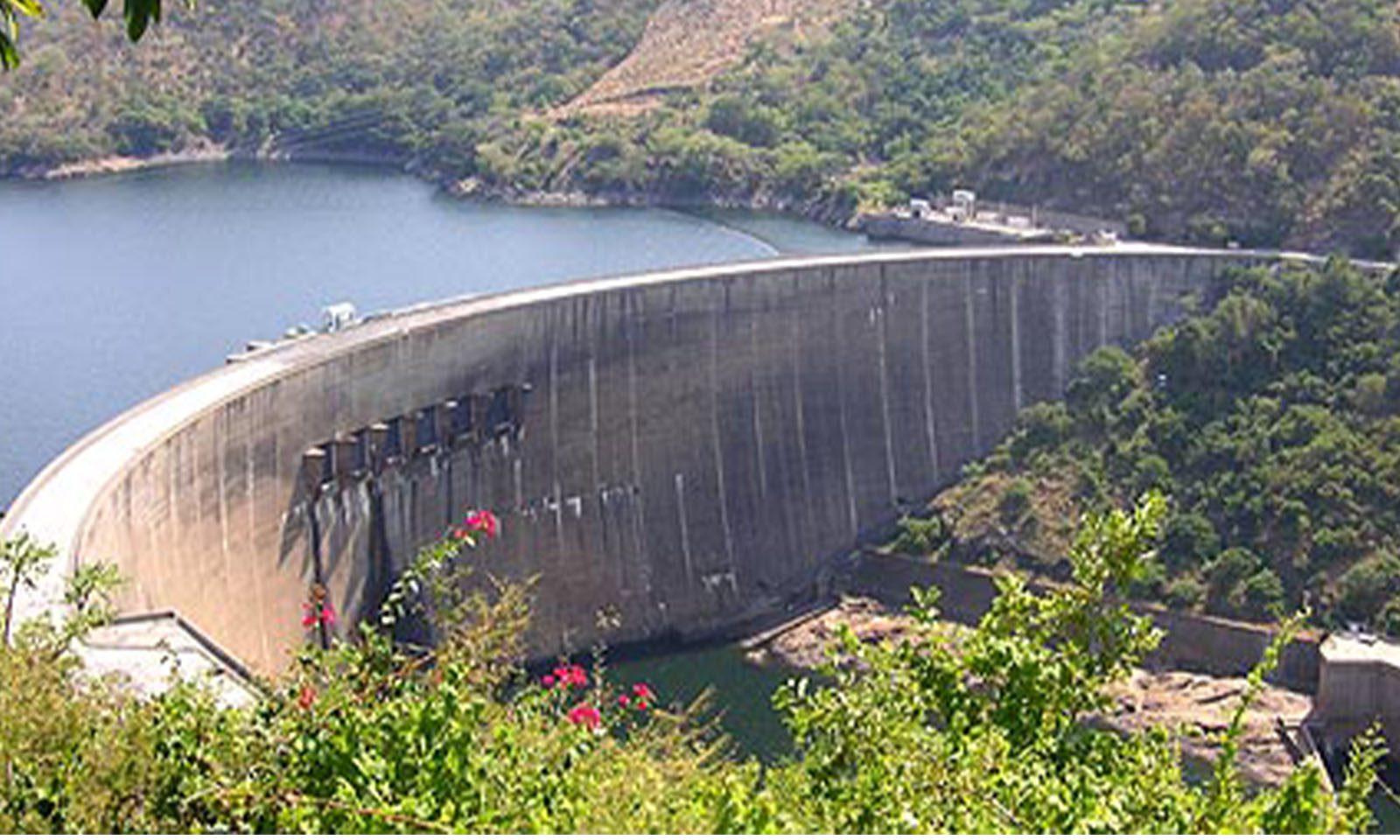
Natasha Kokai
Dark corrosive lines deface the tarred road, confirming the corrosive acidity of elephant urine. The marks are at times accompanied by a heap of dung. This signifies nothing but the heavy presence of elephants in Kariba.
A troop of baboons, females systematically carrying their broods on their bellies are seen running around as if they just met at a rendezvous while some playing games.
Because they live in hierarchy, the huge male is easy to spot because of its imposing stature and an authoritative gaiety. Vocal exchanges abound.
On the other side, a zeal of about five to six zebras is grazing beside the road which leads to the popular Caribbea Bay Hotel. They easily pause for photos with tourists and am amazed by their grace.
The little town which developed haphazardly on the hillsides and slopes near the site of the massive hydro-electric dam constructed across the Zambezi River in the 1950s.
As I was on top of the curved mountains along main road, the blue waters of the famous Kariba Dam which were shining at a distance caught my glimpse.
Passing through the AMC garage where few classic food outlets are located, I reminisced that it is the place where zebras sniff fuel pumps at Total Service Station and forage bins.
However, residents of Kariba say this is a familiar sighting. They have gotten used to people and are now kind of semi-tamed.
The serene environment sandwiching the narrow road that leads to the popular Caribbea Bay Hotel is gratifying. I would not mind spending the entire day there admiring the flora and fauna.
Surrounded by the Dioecious Sclerocarya Birrea, commonly known as the Marula tree even though there are other indigenous trees, the air feels so natural unlike in other towns where the air is polluted with gases, smoke, car exhaust among other pollutants. The Marula fruits are a delicacy for many wild animals from elephants to kudus, baboons, monkeys and tree squirrels, among others.
A myth says it is an African booze for wild animals that can ferment on the ground or in the stomachs of the faunas except for elephants because they eat right off from the tree. Legend is that at times the animal get sloshed.
Upon entering distinct Sardinian architectural four-star Caribbea Bay on the shores of the inland sea of Kariba, the environment becomes even more enjoyable.
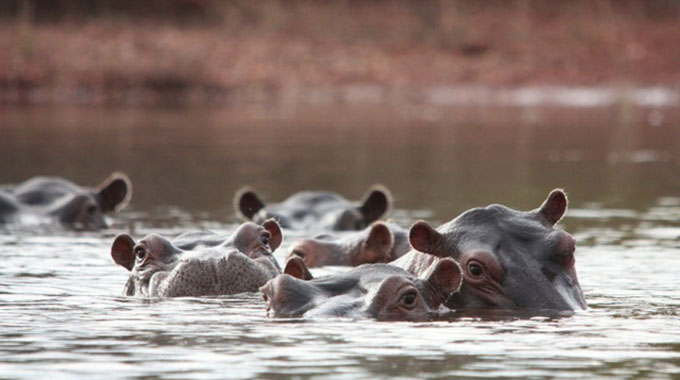
Located 3km from the dam wall which boarders Zimbabwe and Zambia, the sound of the waves from the lake, the birds on trees, sight of the woodpecker perking a tree, aerial rooted trees, the sunset view and the outlook of crocodiles and hippos the gigantic mammals of the water busking in the sun makes it one of the unsurpassed places to be in Zimbabwe.
Nzou Drive, decorated with pylons that transport electricity to Harare along the dusty Kariba suburb of Nyamhunga, leads to the crocodile farm.
The Kariba Crocodile Farm was established in 1965, one of the oldest crocodile farms in the town and has the capacity to deliver up to 14 300 animals annually.
Bound by a fence, the farm officials do not allow tourists inside and taking pictures is not allowed. In order to protect the beasts, there is a sign written “If you throw anything inside the fence, you will be asked to retrieve it”. Well, that chilling disclaimer, is self-explanatory.
The sight of the large semi-aquatic reptiles, well armoured with tough, scaly skin, with long slender snouts, which distinguish them from their cousin, the alligator, makes one deter from doing anything that might not please them.
The town of Kariba, built close to the site of the hydro-electric dam across the Zambezi River, is a focus for tourism and provides a starting point for access to the vast inland sea of Lake Kariba.
A four-hour drive from the capital Harare through the scenic Kariba Recreational Park, it is a small and spread-out resort town which is the starting point for tourism activities centred on the lake of the same name.
The staggering thing about Kariba town is that it is a settlement in the middle of a wildlife corridor. Be prepared to give way to animals, including elephants, lumbering along the roads in the inhabited sections of the town like Mahombekombe and Nyamhunga at any time during the day or at night.
Indeed Kariba is one of the best places to be in Zimbabwe.



 Online Reporter