admin
admin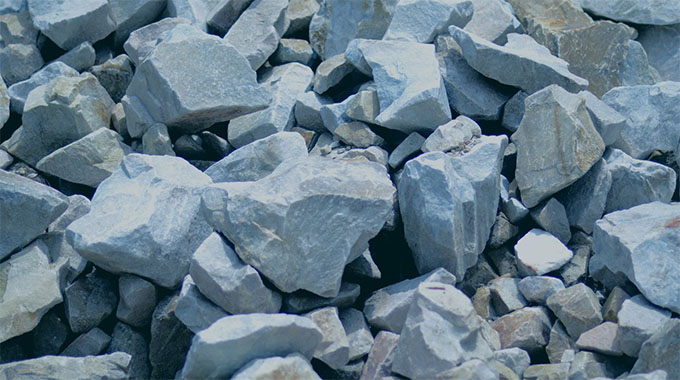
Conrad Mupesa
Mashonaland West Bureau
KARIBA district, which is normally known as the tourist destination of choice and Zimbabwe’s main producer of fish, is poised to be the nation’s main lime producer after deposits were found in the rural parts of the area.
Lime is vital for most farmers with Zimbabwe’s largely acidic soils, is needed for water treatment, and is needed for some construction purposes and purifying steel. It goes into glass production, paper manufacturing, agricultural practices, chemical processes, plaster, mortar, and other building materials.
We have been importing it in recent decades but the new Kariba discoveries should end that soon.
The discovery is expected to transform the lives of the people in the Siakobvu and Mola areas under the Nyaminyami Rural District Council in Kariba since a lot of mining and processing will be needed, creating a lot of decent jobs.
Speaking to thousands of Zanu PF supporters at Mola Primary School last week, Zanu PF Vice President and Second Secretary, Cde Kembo Mohadi said Government was going to ensure that Kariba rural was transformed into a modern world community using the natural resources it possessed.
Cde Mohadi said the Second Republic’s pledge to leave no place and person behind had been witnessed across the rest of the country with the impending development of the Siakobvu and Mola areas in line with National Development Strategy 1 and Vision 2030.
“Discoveries have shown that you have vast deposits of lime, a great component of making fertiliser. The Second Republic under the astute leadership of President Mnangagwa is going to ensure that a mine is set up here for the extraction of lime.
“This is going to transform the lives of people and create employment for youths around here,” he said.
The Zanu PF-led government has managed to draw power from Kariba urban to the two previously marginalised areas and focus now on the Karoi-Siakobvu-Binga road upgrade.
This is also going to be the best ingredient for the setting up of a mine in the lower part of the area.
The announcement by the Zanu PF’s Vice President was welcomed by the community whose source of livelihood has been centred on Kariba Lake whose fish population is feared to be dwindling, particulary the kapenta breed, posing a threat to people’s livelihoods.
Human-wildlife conflicts involving animals like elephants, lions, and hyenas have also taken a toll on the agricultural activities in the predominantly Tonga communities.
Chief Mola said the people in Ward 3 and 4 had lost cattle and goats to carnivores such as lions and hyenas and crops to elephants and other herbivores.
Masaba kraal head, Mr Eddison Kayungwa said: “I recently lost eight cattle to lions and I have sold the remaining one because I didn’t want to incur more losses.
“I am however happy that, if the mine is to be set, my sons will have somewhere to work and improve our lives that are currently centred on animals and fishing.”
The Mola community believes that the new dawn was also beckoning for them considering how President Mnangagwa’s led administration had prioritised their needs.
The visit by Cde Mohadi was the first ever since independence for the Mola people to host one of the revolutionary party’s presidium members.



 Online Reporter