admin
admin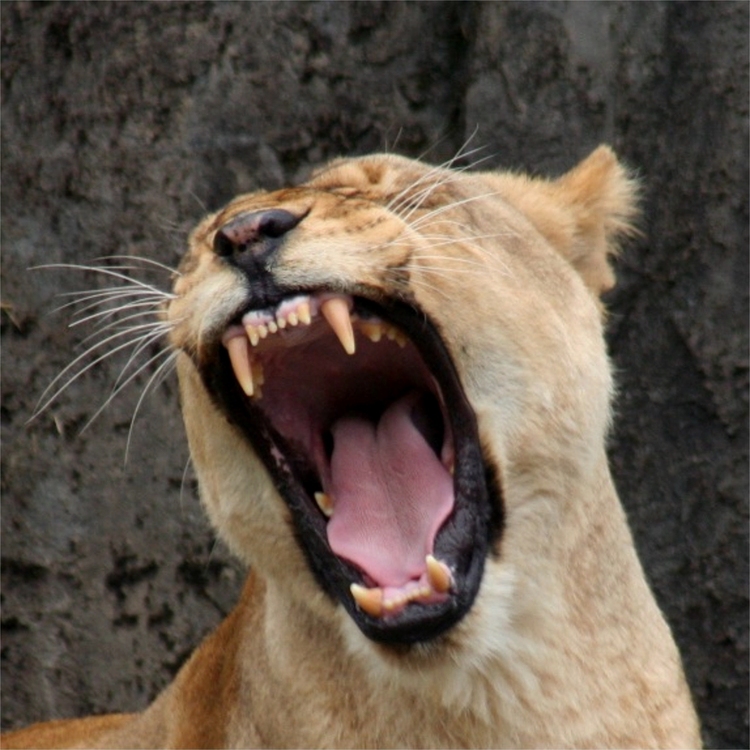

Laiton Mkandawire
When a pride of lions struck in Mahombekombe in 2013, killing a man and woman in two separate incidents and different areas, residents of the resort town of Kariba did not know what had hit them. Panic reigned. The rumour mill got into overdrive.
The woman, Sharai Mawere (43), a vegetables market stall owner also known as Amai Desire ( as is the custom among locals to address someone by their child’s name), met her fate during a lunch-time tryst with her fisherman paramour, Daniel Muzarabani, in a bushy area near a local primary school.
The lions were resting under a shade when the couple chanced upon them. It could have been an easy lunch for the pride of lions, but they had had their fill the previous night, so they killed but never feasted on her.
Human intervention and noise also disturbed the possible luncheon.
The man, Jakiel Mushunjeni (77), met his fate whilst using a footpath after a late night beer drink at a popular night spot then known as Big Two Nightclub. His attack and killing went unnoticed though his identification became easier because his teenage son had reported him to the police as a missing person. The search following the woman’s attack and killing, led to the discovery of his body parts.
When wildlife authorities imposed a curfew whilst trying to cage the lions and move them to a designated wildlife estate, speculation started to rise that the lions were after the zebras which had recently moved into Kariba suburbs.
Previously, there had been no zebras living freely among the habituated areas of Kariba.
The speculation is not unreasoned, bearing in mind that wildlife experts agree that the zebras’ most usual predator is the lion, though hyenas and wild dogs occasionally take them too.
Lions’ reputation as human eaters is mostly overstated as they are less accustomed to people and will avoid them when possible, even fleeing.
However, according to Lonely Planet, a reputable travel guide series, once lions “have the taste for human flesh and realise how easy it is to make a meal of one, lions can become habitual killers of people.”
It goes further to boldly state that “most dangerous lions are the older ones who can no longer bring down more fleet-footed animals.”
Wildlife authorities have not allayed the residents’ fears mostly because of the tourism benefit derived from the zebras being readily viewable in Kariba urban. Is this benefit enough to let the zebras roam freely in the residential areas of Kariba?
Frequent warning messages on social media in the mould of “DA/Heights residents are advised to be cautious on night movements following a lioness seen near Muchirara Crescent Bust Stop moving towards the school this evening” in April 2015 indicate that the issue has not been addressed adequately and it might not be far-fetched to imagine that soon, another strike by the lions might shock Kariba.
Whether this would be because of the presence of the zebras in Kariba’s suburbs or not is an issue that needs exploring.
What is clear is that both zebras and lions are currently on the prowl in Kariba.



 Online Reporter